An editing agent is bounded by its action space and its observation space.
EditAgent expands both.
Measured on 600 requests · 30 edit types · 5 professional retouchers
01 · Action spaceWhat the agent can do
-
1What others do, and why
One editor, tried again and again
One general editor per step. Rejected? Edit the last result again.
Why: one editor can do almost anything, and step-by-step refinement works in image generation.
-
2What we found
One editor is not enough
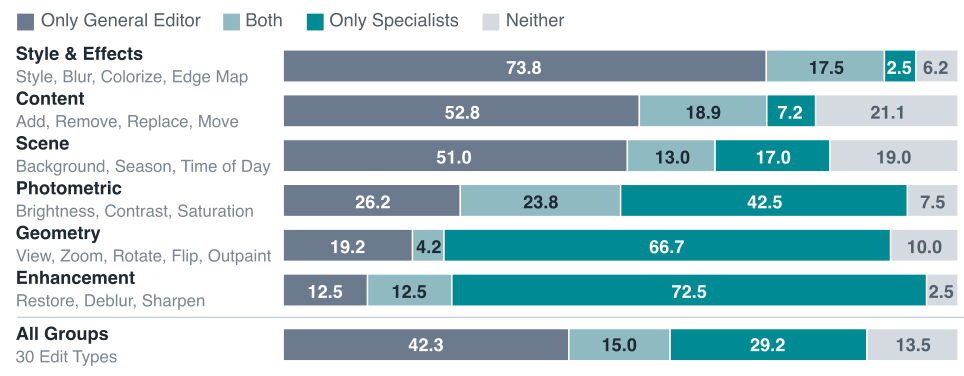
Who makes a usable edit, by edit group (% of expert-labeled sets) 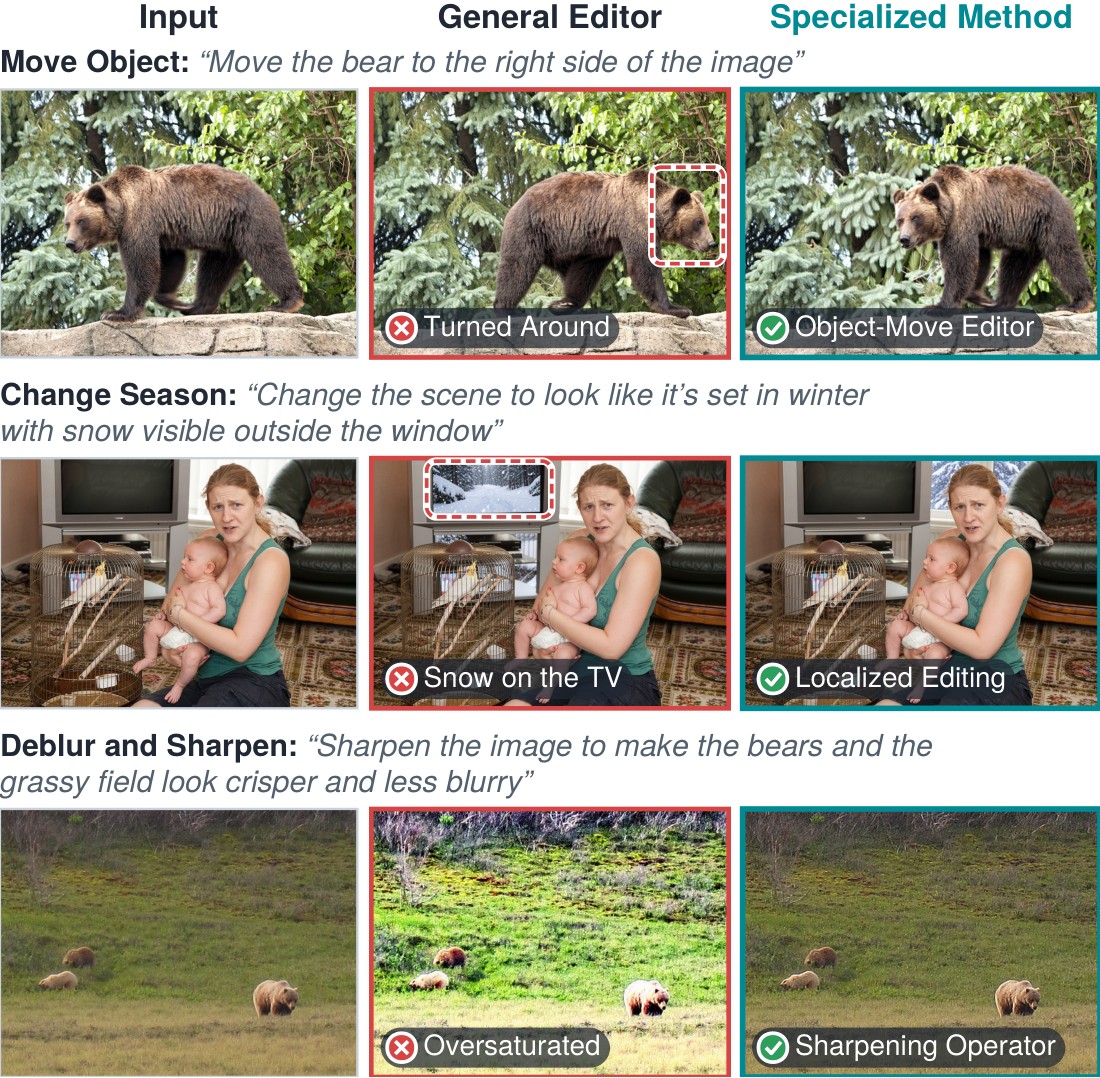
Only a specialist gets these right. -
3Our fix
Race many methods at once, all from the source
- General editor
- Masked local editing
- Object removal
- Object movement
- Subject scaling
- Photometric operators
- Style transfer
- Flips & rotations
- Zoom-in crop
- Canvas extension
- Exact by construction — flips, 90° rotations, pixels outside a mask
- Every try starts from the source — no drift
- One judge call for the whole batch
-
4The proof
Parallel beats sequential — more methods beat more samples
Parallel vs. sequential · same editor
ParallelTieSequential
78.5% of decided expert comparisons favor parallel — with at most half the judge calls.
More samples vs. more methods · EdiVal-O
Turn 3 · Qwen-Image-Edit-2511
02 · Observation spaceWhat the judge can see
-
1What others do, and why
One output at a time, judged by eye
One edit at a time: pass or fail by eye — or a reward-model score.
Why: it fits any pipeline, and reward models like EditScore learn from large sets of human preferences.
-
2What we found
No judge is reliable across edit types
The best judge changes with the edit type — some fall below random.
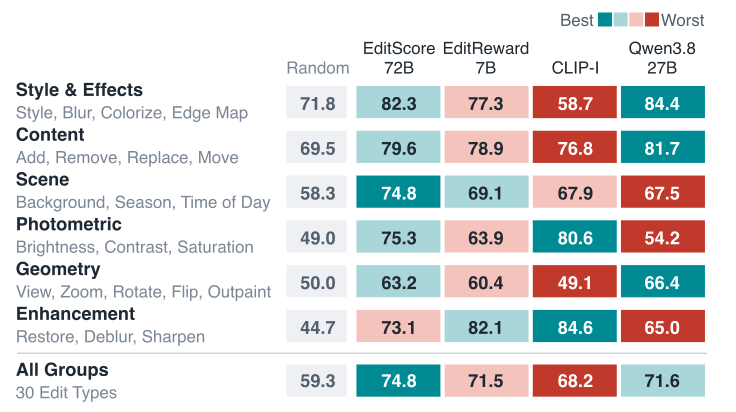
Picking a usable edit, one output at a time · Winner-Set Hit@1 (%) -
3Our fix
Show every candidate, with evidence, in one call
- Change map
- Before | after close-up
- Tone & color stats
- Geometry checks
- Facts checked by code
- Side by side — see what each one changed
- Measured — the subtle becomes visible
- History check — earlier turns are re-checked after each turn
Compare · the only clean removal wins
Measure tone · which edit brightened gently
Measure framing · which zoom-out kept the original
-
4The proof
Off-the-shelf judges now beat finetuned ones
Qwen3.8-27B judge · accuracy (%)
Finetuned EditScore-72B: 74.8
Every judge we tried · with vs. without evidence
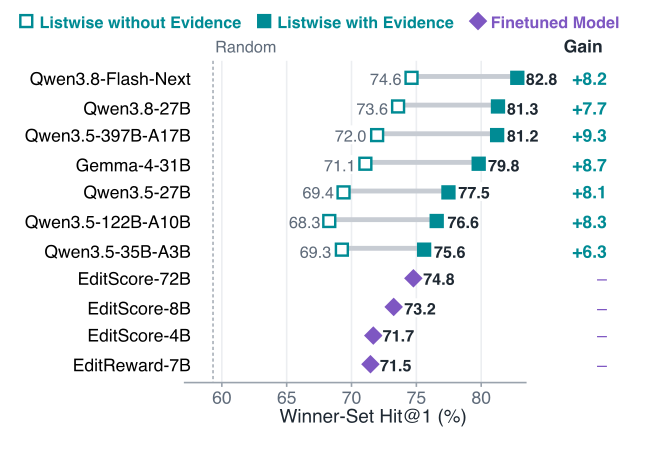
03EditAgent: Both Spaces, One Loop
Plan the steps, race methods in parallel, compare with evidence in one call. Each accepted image is the next step’s source.
04Results
Two open-weight backbones · one off-the-shelf VLM (Qwen3.8-27B) in every agent role
Strong backbones get much stronger
EdiVal-O at turn 3
| EdiVal-IF | EdiVal-CC | EdiVal-O | |||||||
|---|---|---|---|---|---|---|---|---|---|
| Model | T1 | T2 | T3 | T1 | T2 | T3 | T1 | T2 | T3 |
| Closed-source | |||||||||
| FLUX.1-Kontext-max† | 69.49 | 46.89 | 31.83 | 93.93 | 90.90 | 88.40 | 80.79 | 65.29 | 53.04 |
| GPT-Image-1† | 73.12 | 54.89 | 38.35 | 81.00 | 77.78 | 75.50 | 76.96 | 65.34 | 53.81 |
| Nano Banana† | 70.70 | 50.66 | 35.35 | 93.91 | 90.48 | 89.48 | 81.48 | 67.70 | 56.24 |
| FLUX.2-max | 75.55 | 55.27 | 39.36 | 92.91 | 88.30 | 85.78 | 83.78 | 69.86 | 58.10 |
| Nano Banana 2† | 73.89 | 54.17 | 38.61 | 93.54 | 90.52 | 88.61 | 83.14 | 70.02 | 58.49 |
| GPT-Image-1.5† | 75.19 | 55.92 | 40.08 | 94.49 | 91.20 | 88.49 | 84.29 | 71.41 | 59.55 |
| Seedream 4.0† | 75.93 | 55.58 | 41.59 | 92.51 | 88.03 | 85.86 | 83.81 | 69.95 | 59.76 |
| Open-source | |||||||||
| AnyEdit | 41.07 | 16.32 | 7.22 | 86.42 | 78.91 | 70.10 | 59.58 | 35.89 | 22.50 |
| UltraEdit | 51.37 | 17.70 | 6.36 | 86.80 | 84.50 | 82.40 | 66.78 | 38.67 | 22.89 |
| OmniGen | 54.72 | 24.48 | 10.66 | 93.00 | 88.42 | 83.92 | 71.34 | 46.52 | 29.91 |
| FLUX.1-Kontext-dev† | 59.97 | 32.69 | 16.61 | 95.32 | 92.24 | 90.22 | 75.61 | 54.91 | 38.71 |
| Step1X-Edit | 61.89 | 34.97 | 17.83 | 92.76 | 88.52 | 85.21 | 75.77 | 55.64 | 38.98 |
| Qwen-Image-Edit† | 72.90 | 44.06 | 22.55 | 84.22 | 80.52 | 77.98 | 78.36 | 59.56 | 41.93 |
| Qwen-Image-Edit-2511 | 75.35 | 52.97 | 39.16 | 76.59 | 64.79 | 57.95 | 75.97 | 58.58 | 47.64 |
| + EditAgent | 75.35 | 57.69 | 41.61 | 86.29 | 77.87 | 73.92 | 80.64 | 67.02 | 55.46 |
| FLUX.2-klein-9B | 69.76 | 48.08 | 31.82 | 94.91 | 91.42 | 88.94 | 81.37 | 66.30 | 53.20 |
| + EditAgent | 75.35 | 55.77 | 40.21 | 94.67 | 90.65 | 87.90 | 84.46 | 71.10 | 59.45 |
| Qwen-Image-Edit-2511† | 76.22 | 57.34 | 41.08 | 93.95 | 89.55 | 87.05 | 84.62 | 71.66 | 59.80 |
| + EditAgent† | 76.05 | 57.87 | 44.93 | 93.80 | 89.77 | 87.15 | 84.46 | 72.08 | 62.58 |
Both spaces add up
Better on every benchmark
| Backbone | EdiVal-O, turn 3 | ComplexBench-Edit | Complex-Edit |
|---|---|---|---|
| Qwen-Image-Edit-2511 | 47.64→55.46+7.82 | 54.40→60.83+6.43 | 7.371→7.445+0.074 |
| FLUX.2-klein-9B | 53.20→59.45+6.25 | 61.45→64.51+3.06 | 7.677→7.713+0.036 |
Best among agentic editors
Bonus: a data engine for better editors
Its fully accepted sessions become training data — finetuning on them improves both editors on every benchmark.
| Editor | EdiVal-O, turn 3 | Complex-Edit | ComplexBench-Edit |
|---|---|---|---|
| Qwen-Image-Edit-2511 | 49.66→51.61+1.95 | 7.371→7.435+0.064 | 54.40→57.57+3.17 |
| FLUX.2-klein-base-9B | 54.53→56.53+2.00 | 7.517→7.615+0.098 | 57.84→59.98+2.14 |
05Gallery
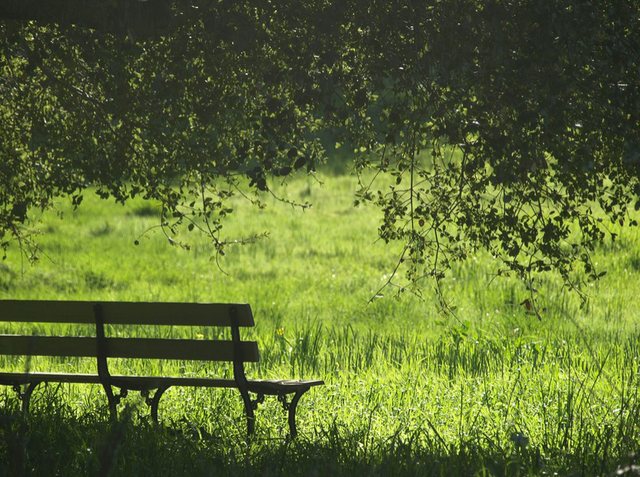
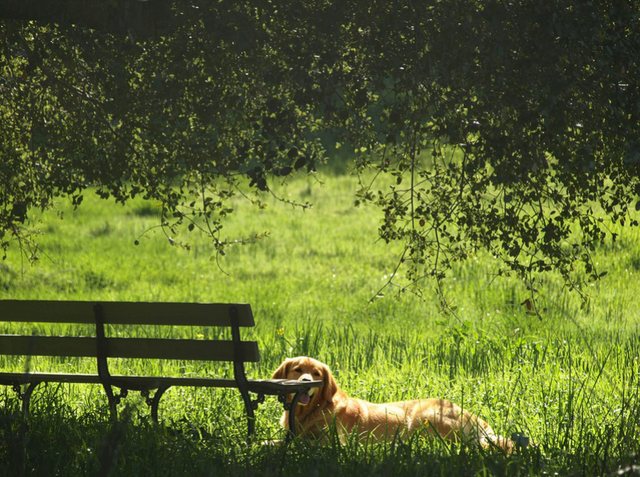
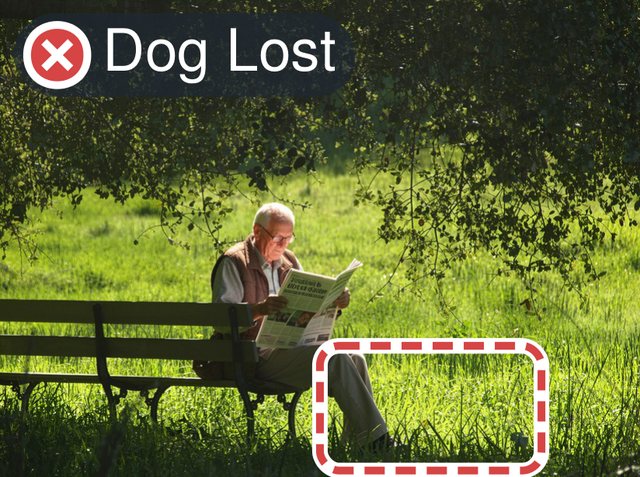
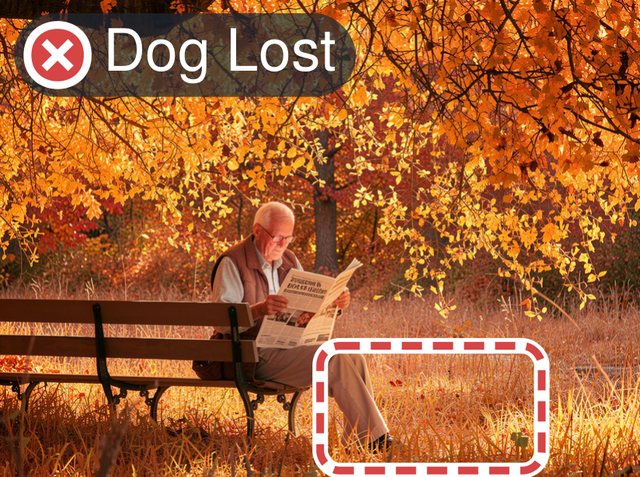
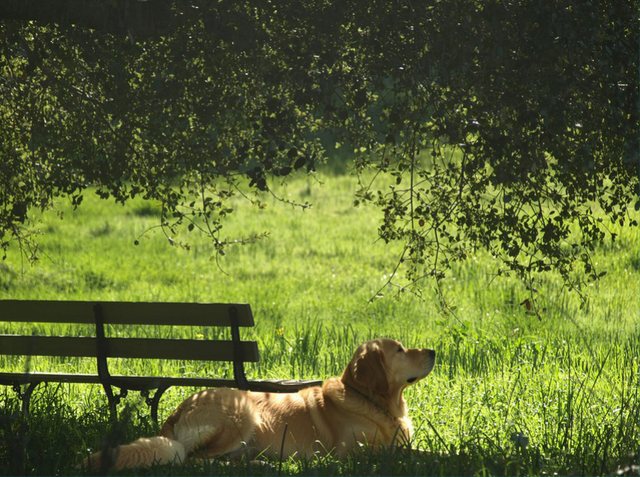
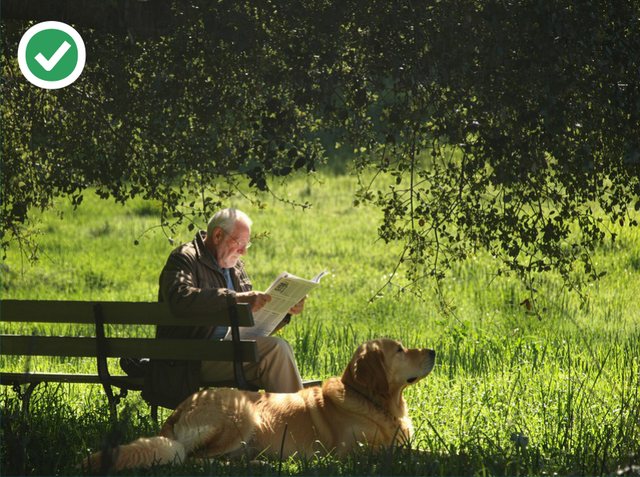
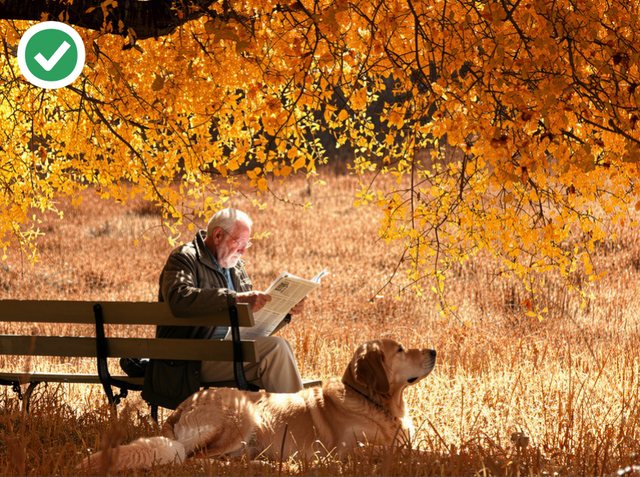
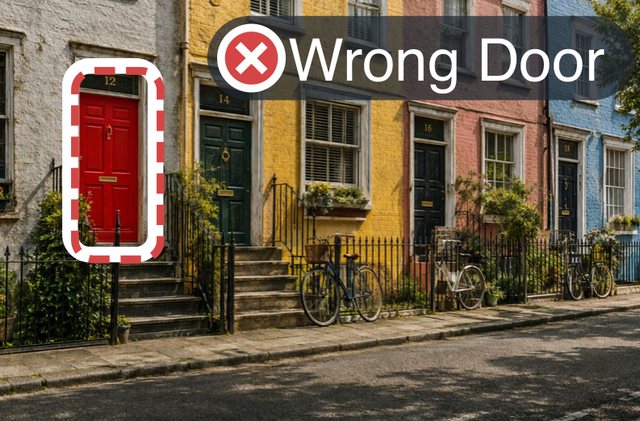
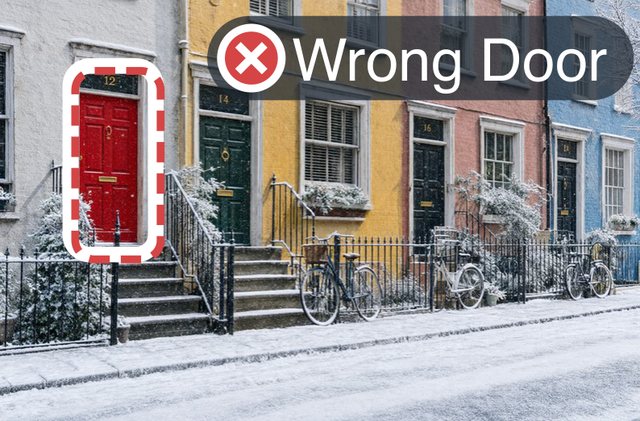
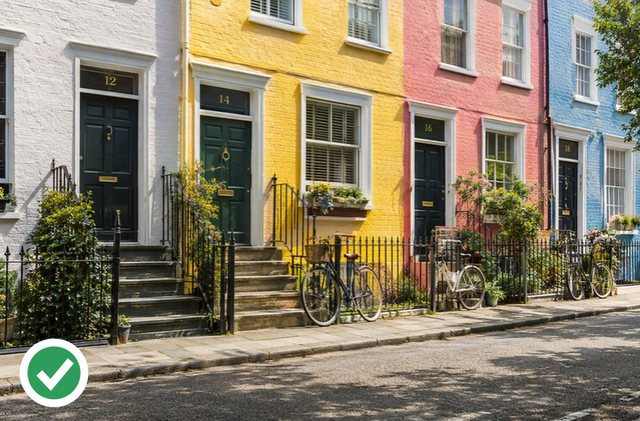
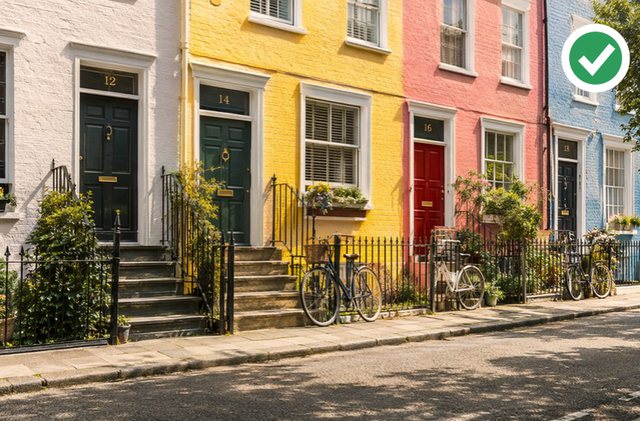
Same backbone, alone vs. inside EditAgent. Red marks its mistakes — click to enlarge.
Add a golden retriever lying in the grass in front of the bench
Seat an old man reading a newspaper on the bench
Make it autumn, with golden leaves on the trees and the grass
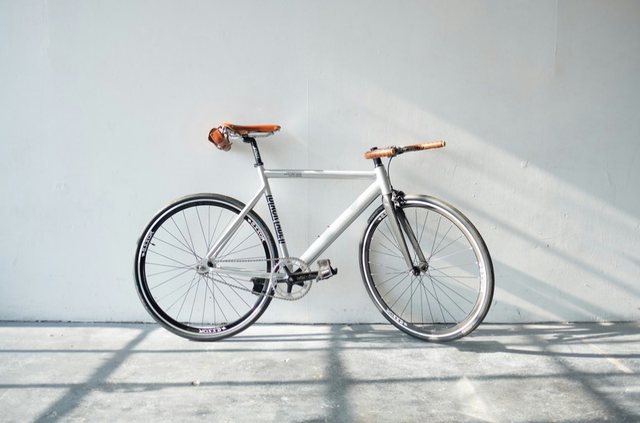
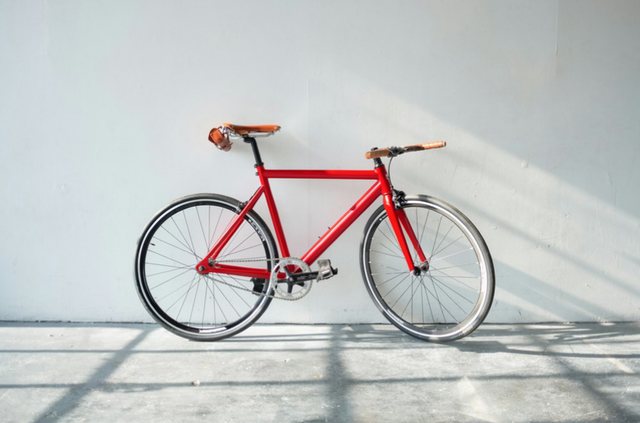
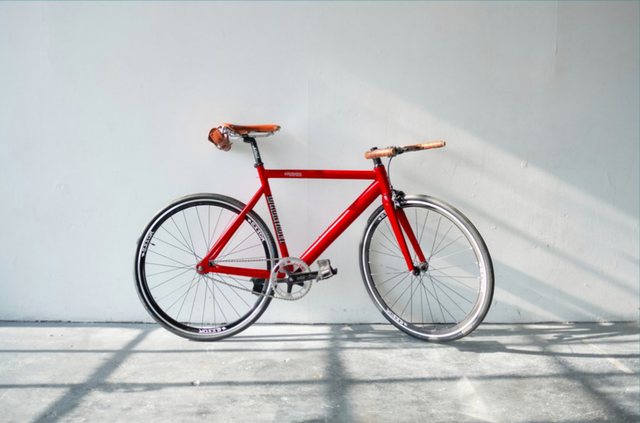
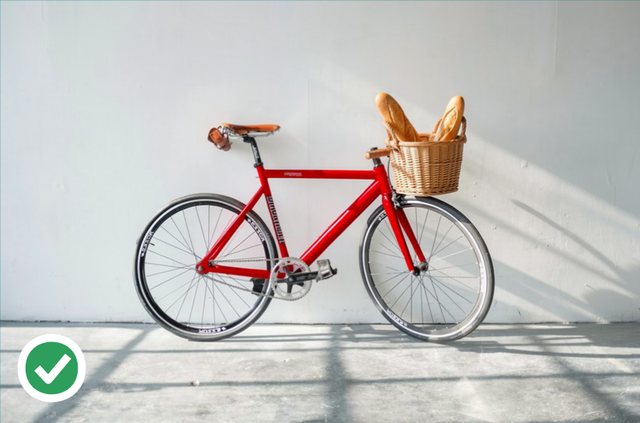
Paint the bicycle frame red
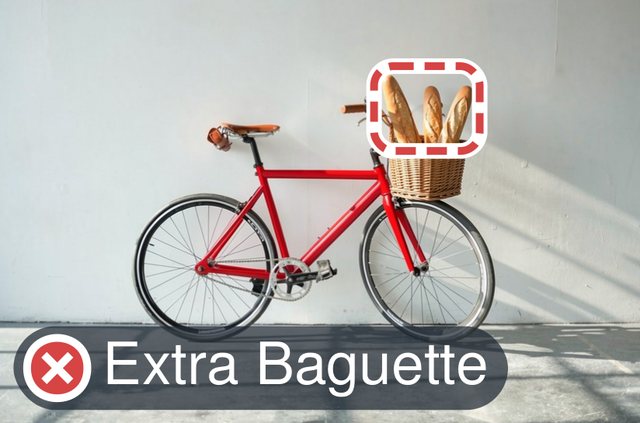
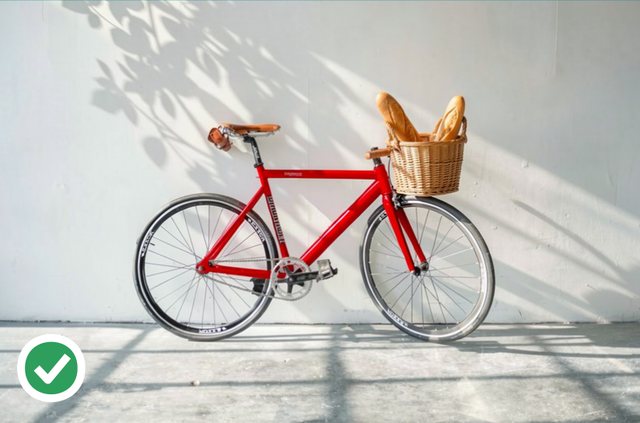
Attach a wicker basket with two baguettes to the front of the bicycle
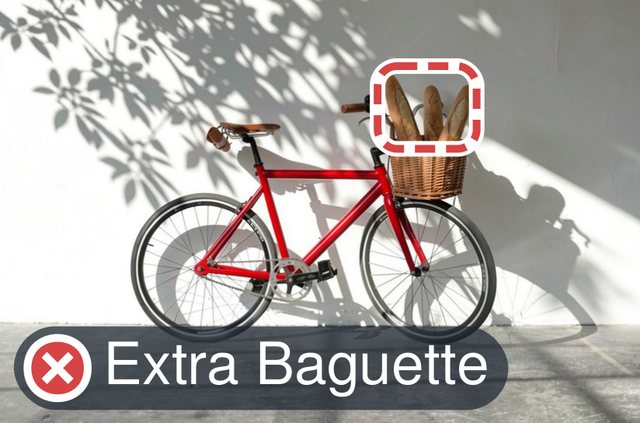
Cast the shadow of a leafy branch onto the white wall behind the bicycle
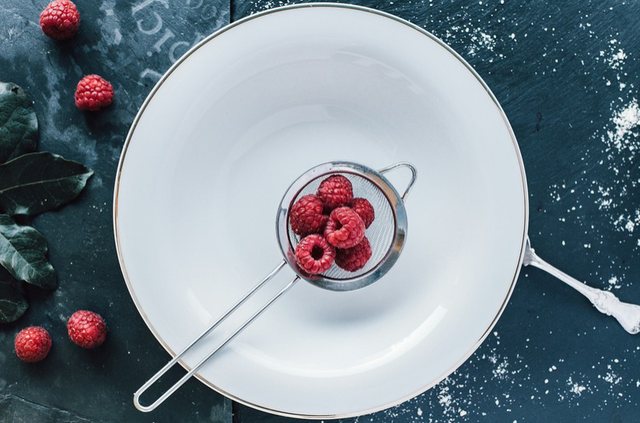
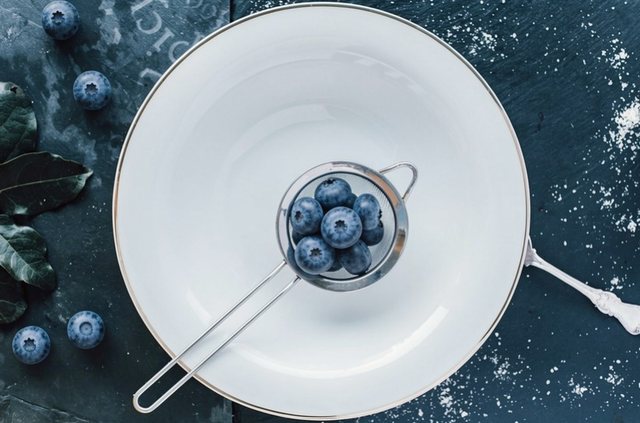
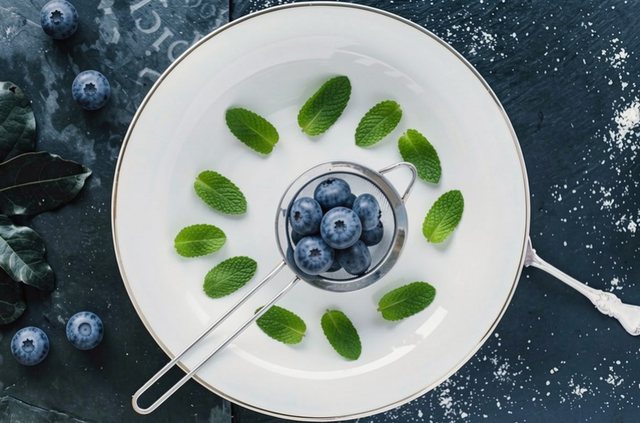
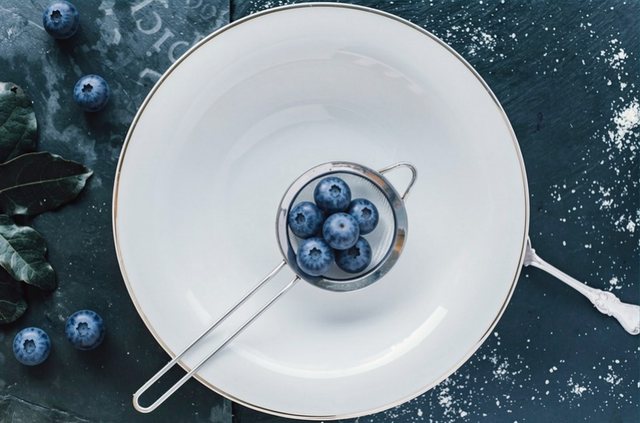
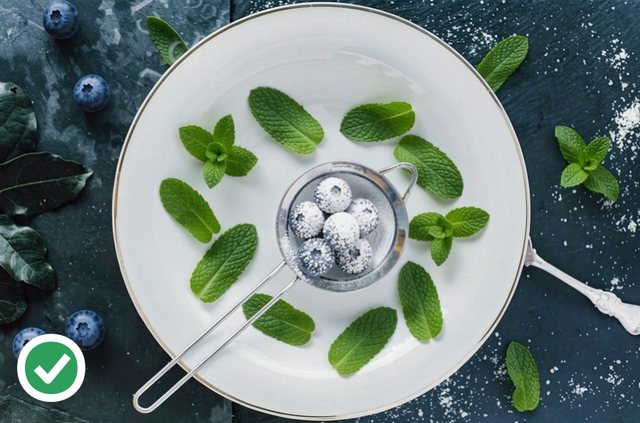
Replace all the raspberries with fresh blueberries
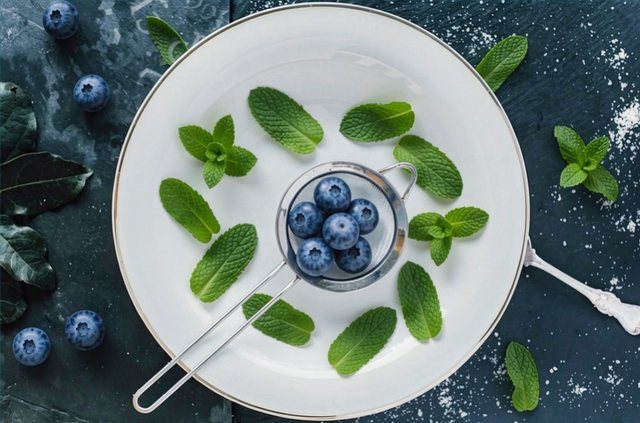
Scatter a few fresh mint leaves around the plate
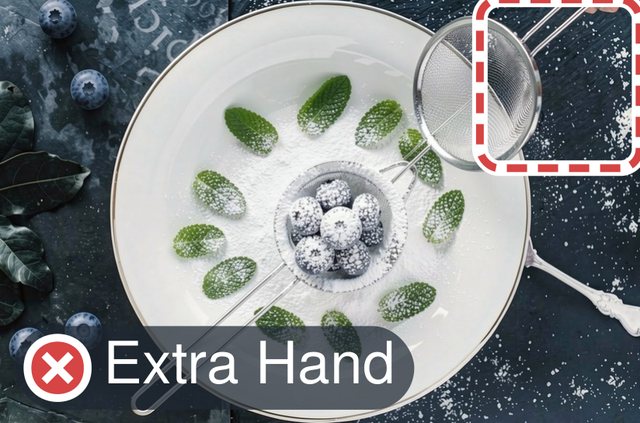
Dust the blueberries in the strainer with a little powdered sugar
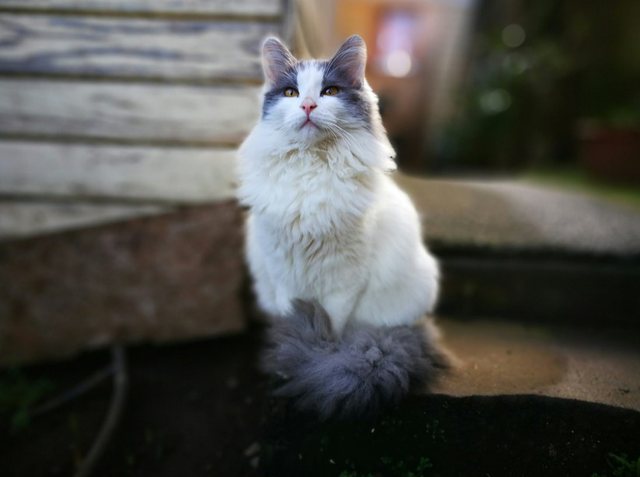
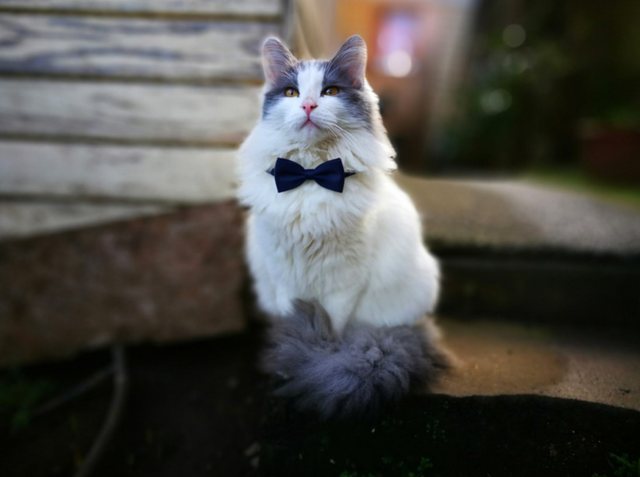
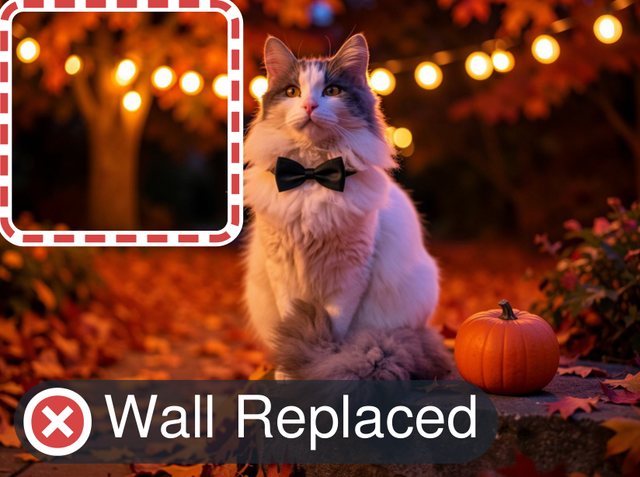
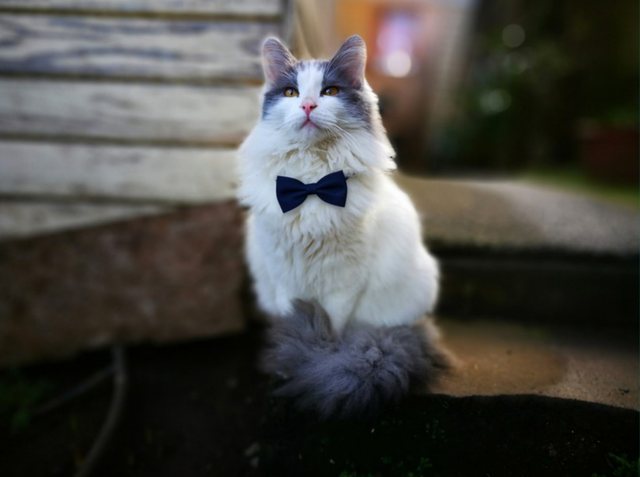
Put a small navy bow tie on the cat
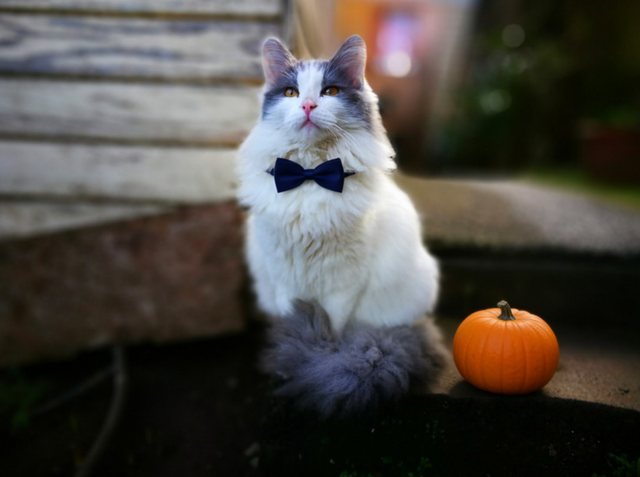
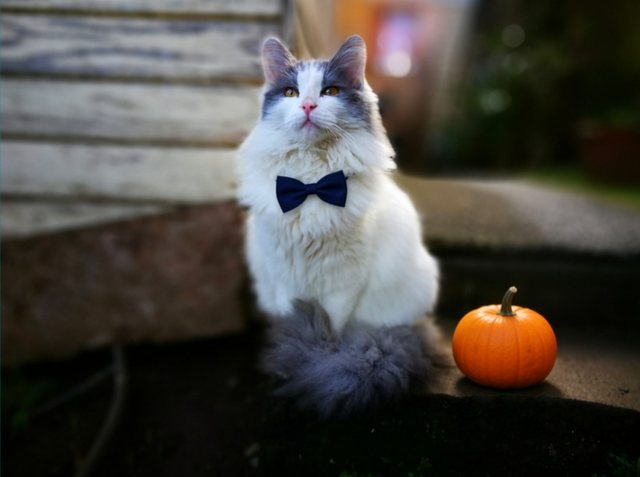
Add a small orange pumpkin on the step next to the cat
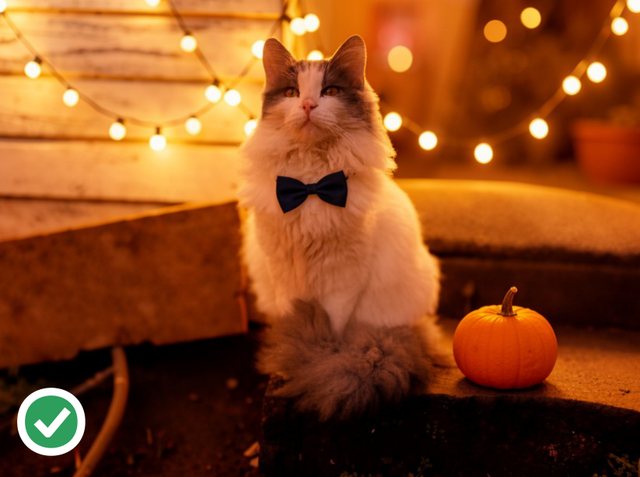
Make it a cozy autumn evening, with warm string lights glowing in the background
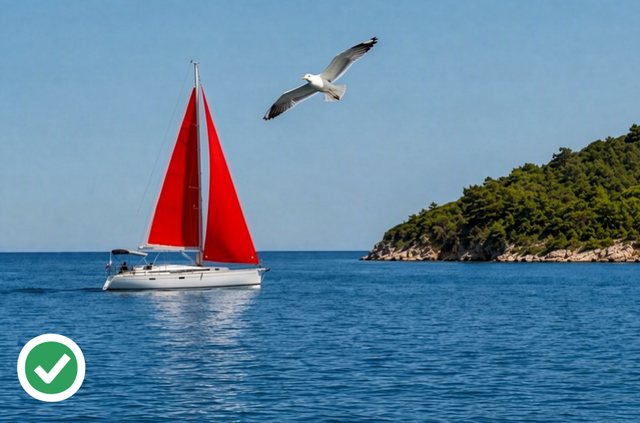
Make the sail of the boat red
Flip the photo horizontally
Add a seagull flying above the red sail
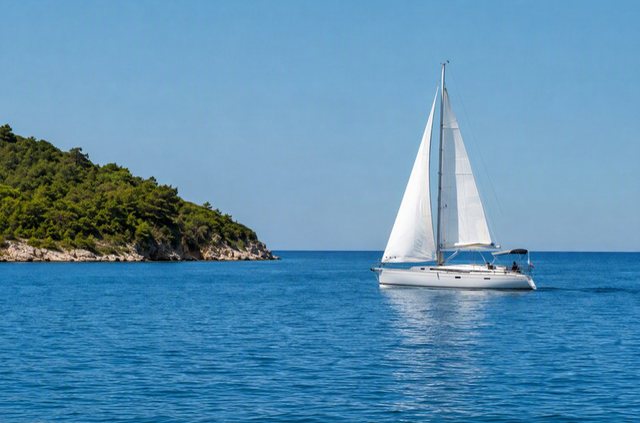
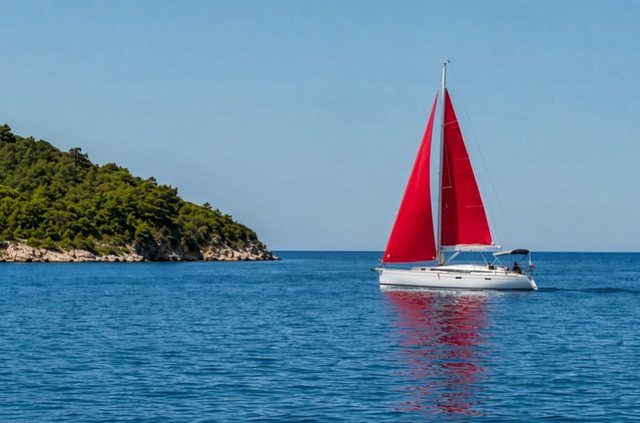


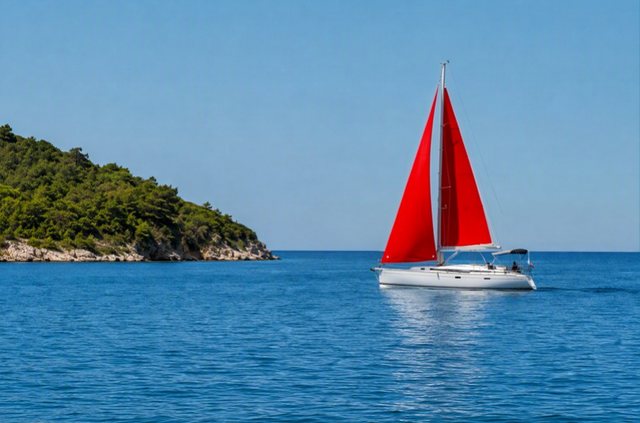
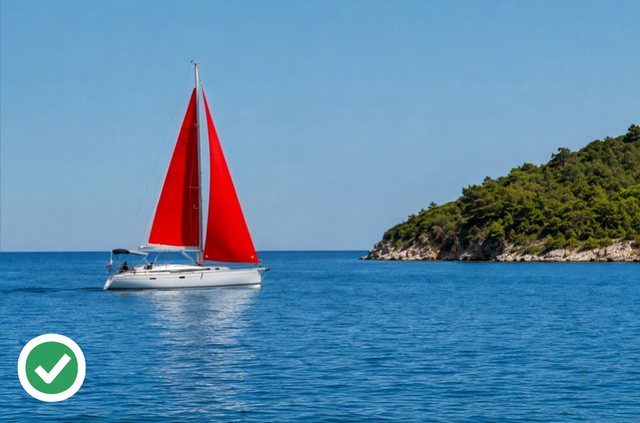
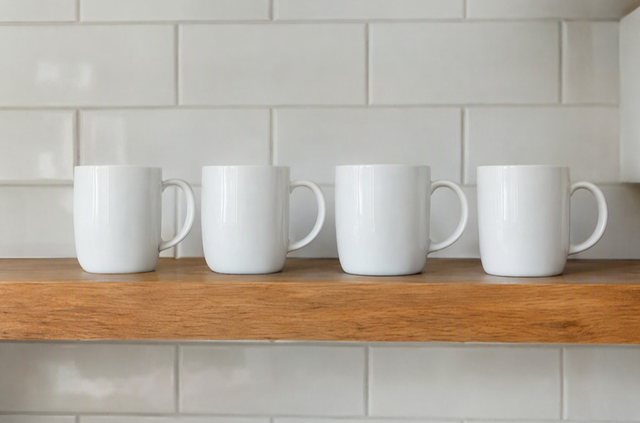
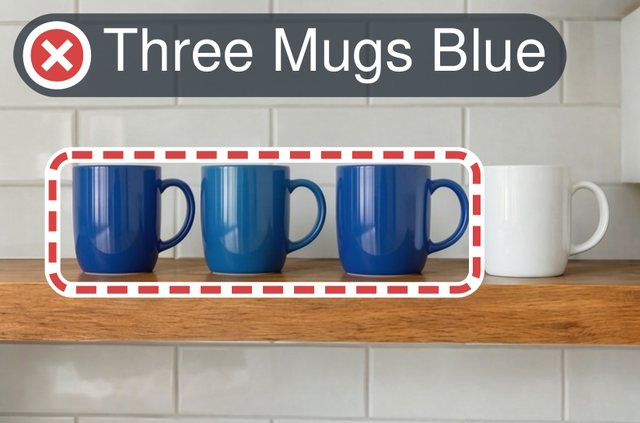
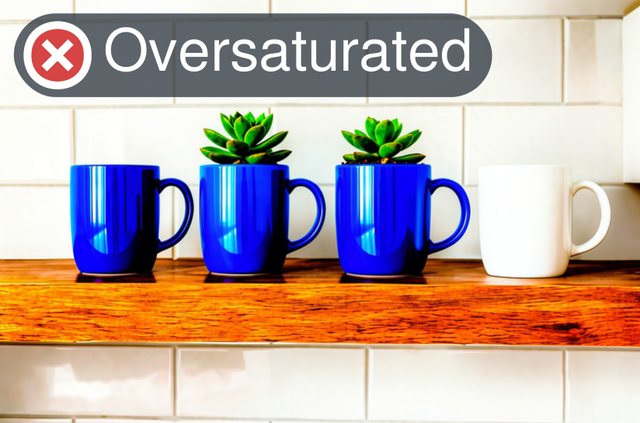
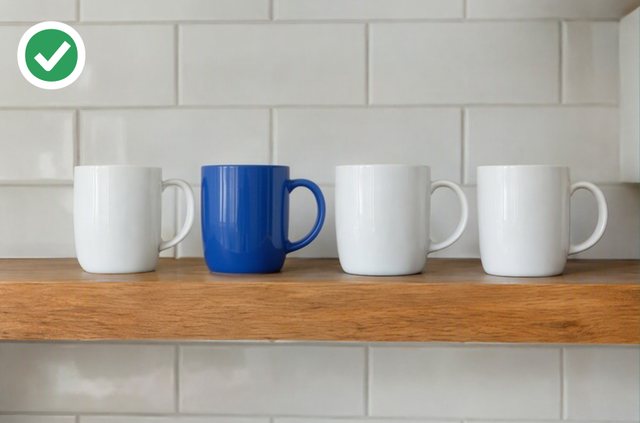
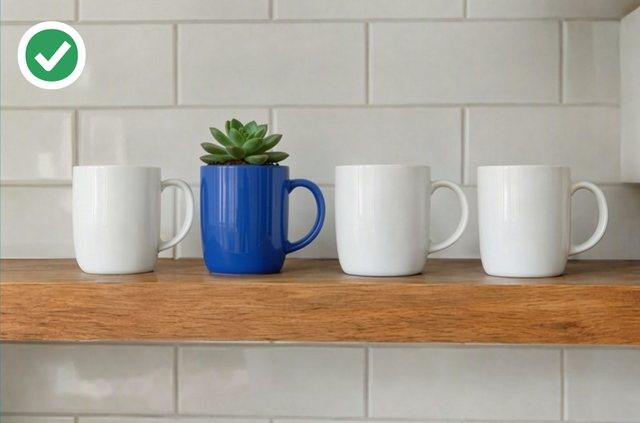
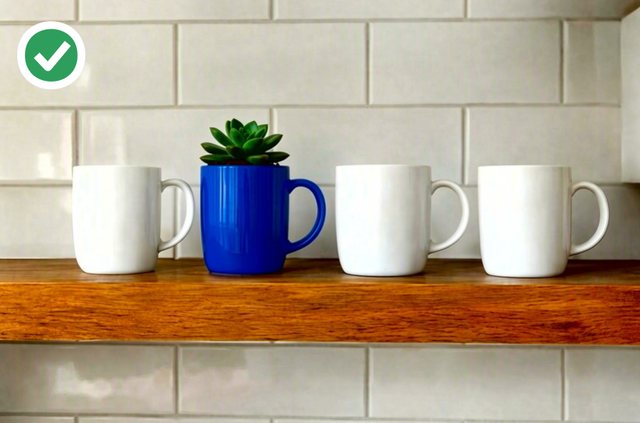
Make the second mug from the left blue
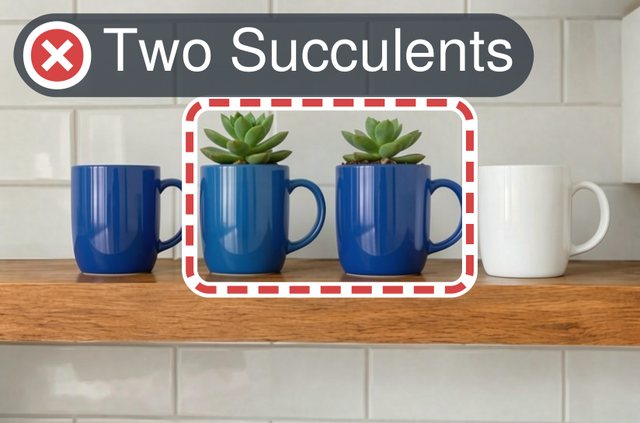
Put a small green succulent in the blue mug
Increase the contrast and make the colors more vivid
Put a strawberry on top of every cupcake
Make the frosting of the top-left cupcake pink
Put a lit candle in the pink cupcake
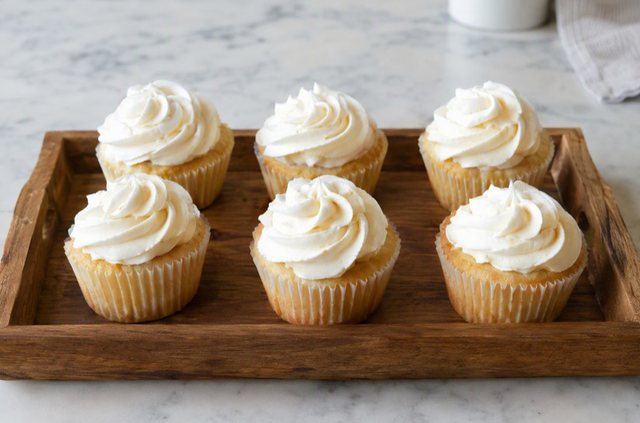
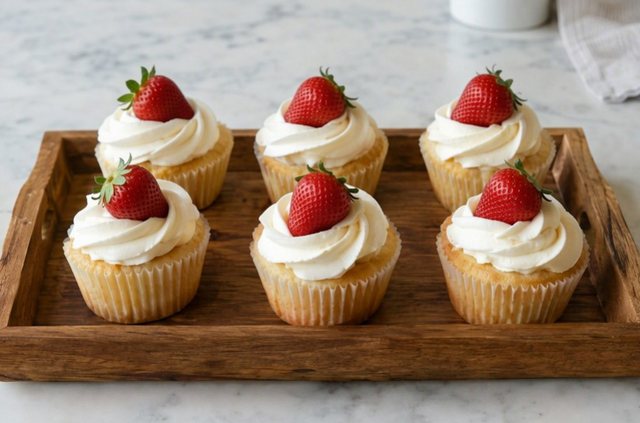
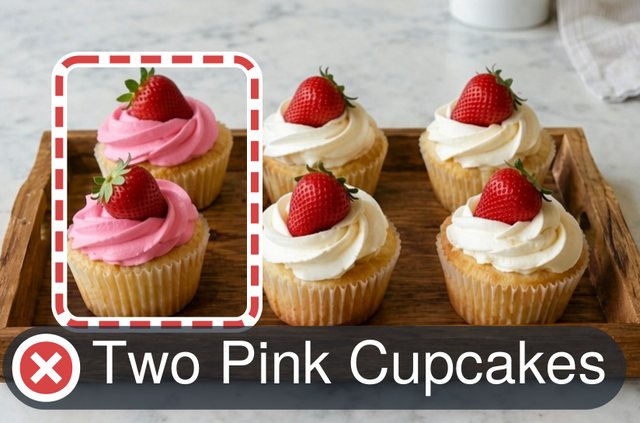
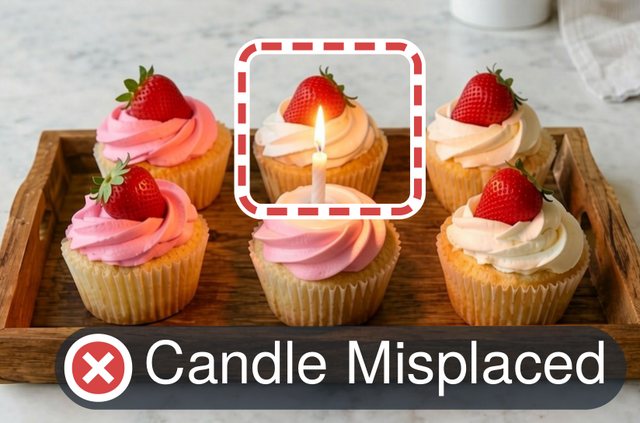
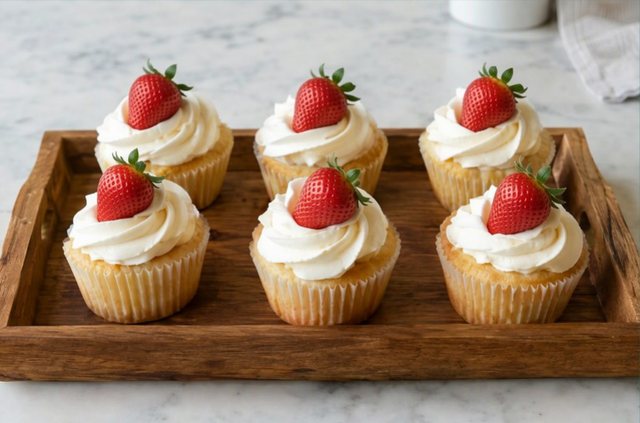
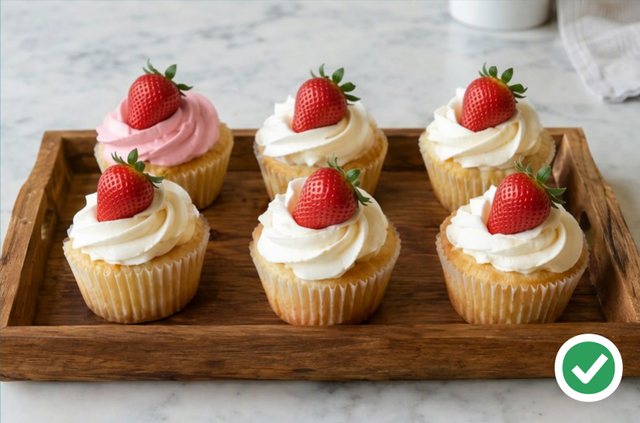
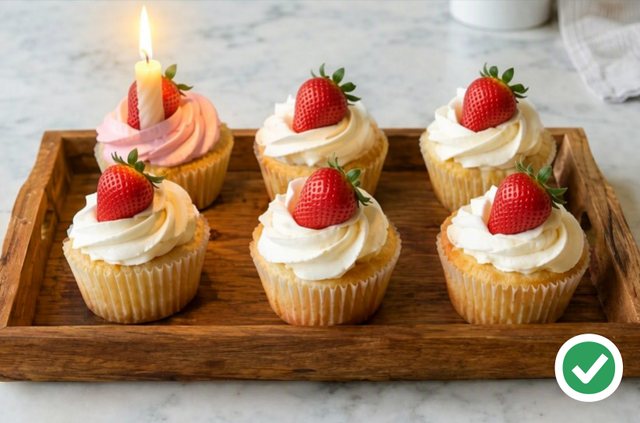
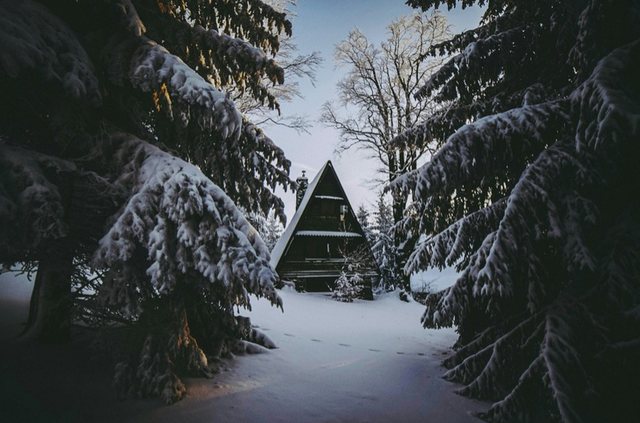
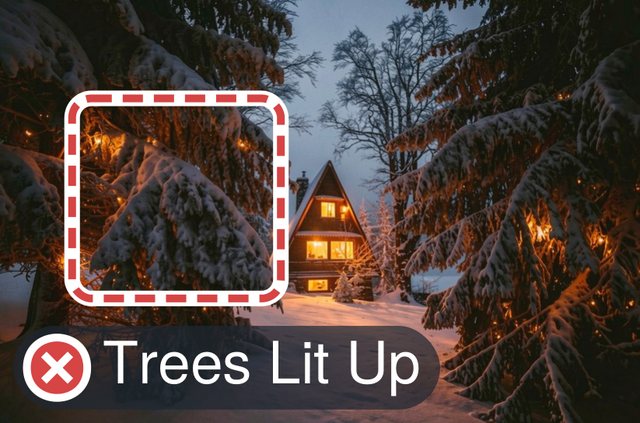
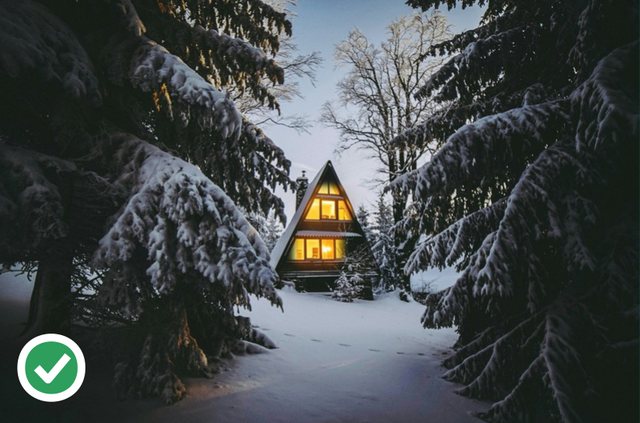
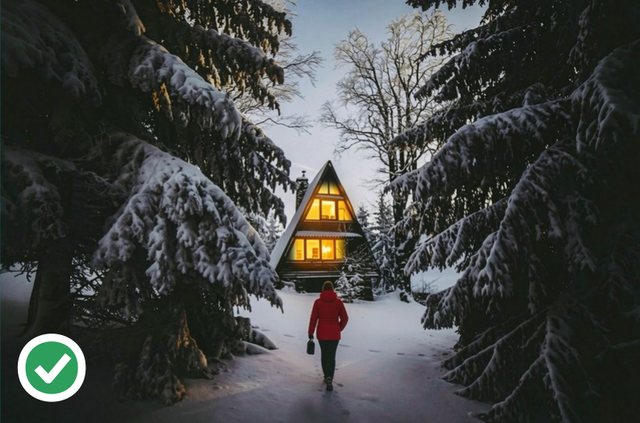
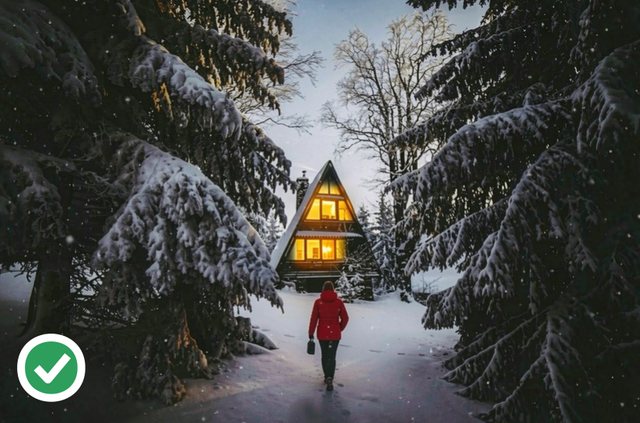
Turn on warm lights inside the A-frame cabin, glowing through its windows
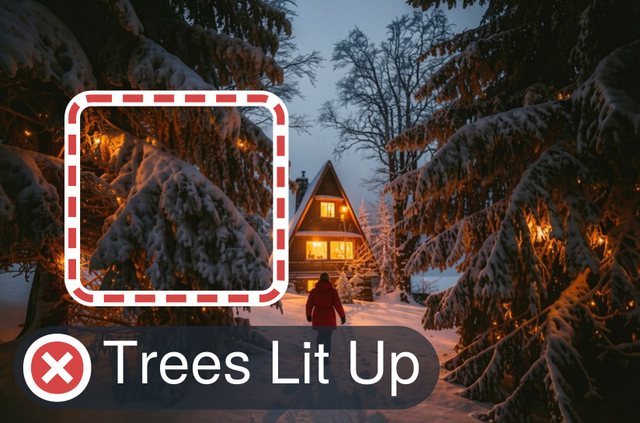
Add a person in a red parka walking along the snowy path toward the cabin
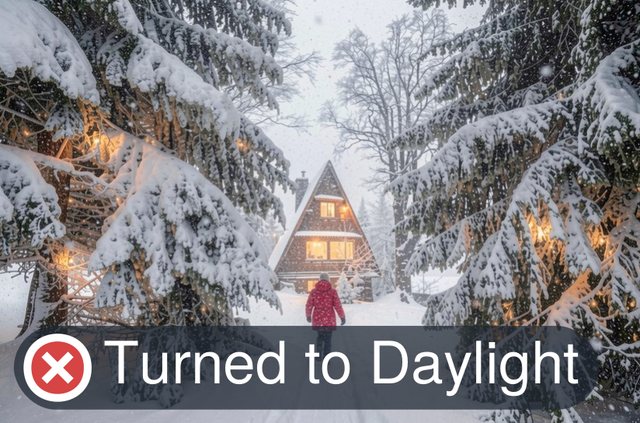
Make it snow gently, with flakes falling in front of the trees
Make her blazer navy blue
Put a small succulent in a pot on the desk to the left of the laptop
Remove the coffee cup from the desk







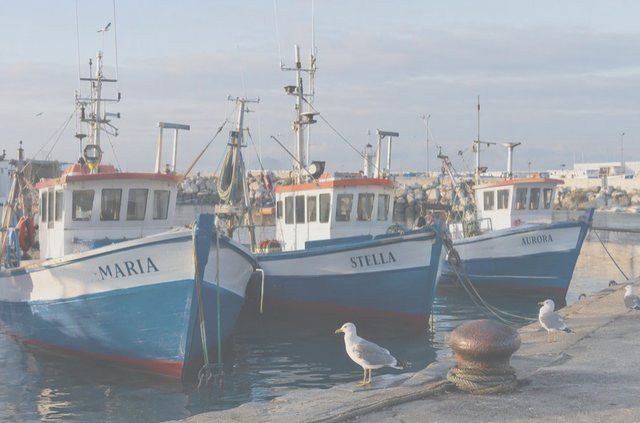
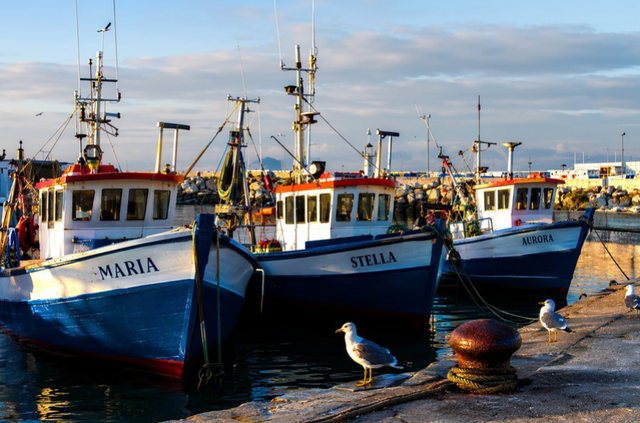
Remove the haze and increase the contrast
Make the boat named STELLA red
Zoom in on the boat named AURORA
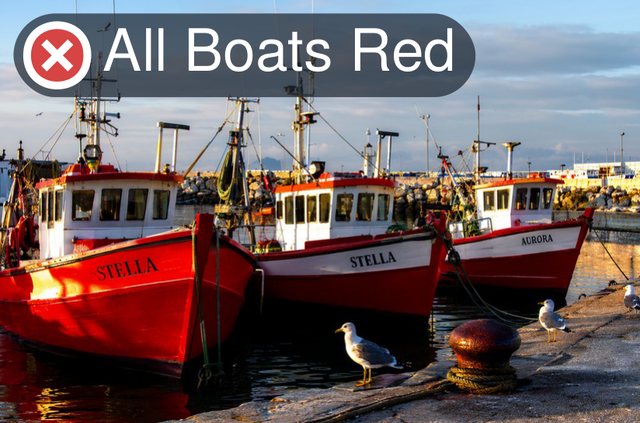

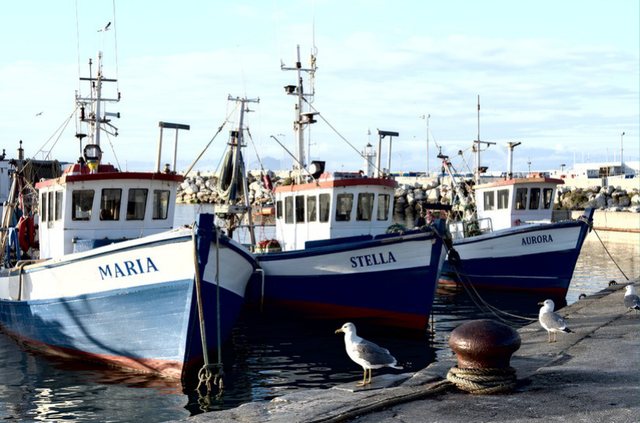
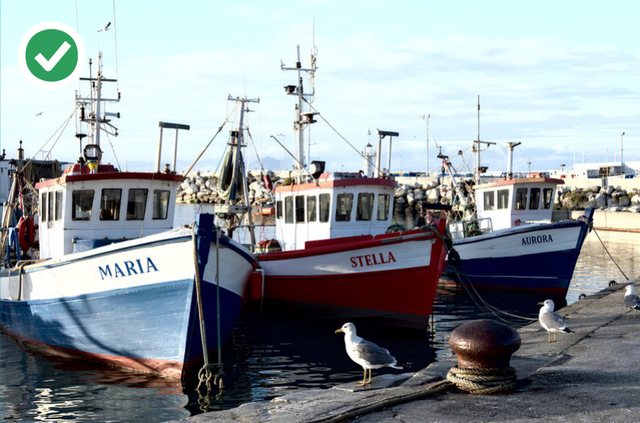
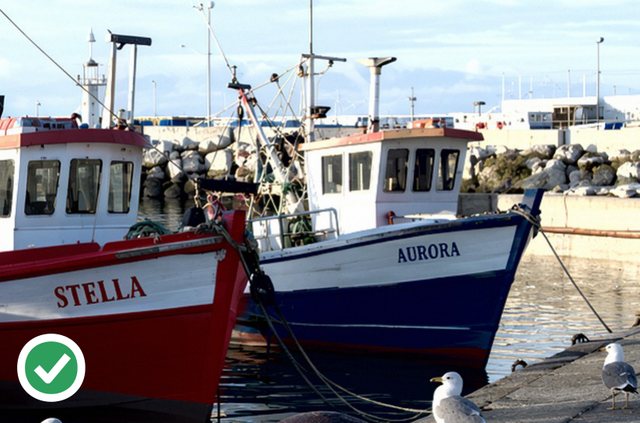
Replace wool white sheep with goats
Add tree on the above of goats
Change the count of goats to 4
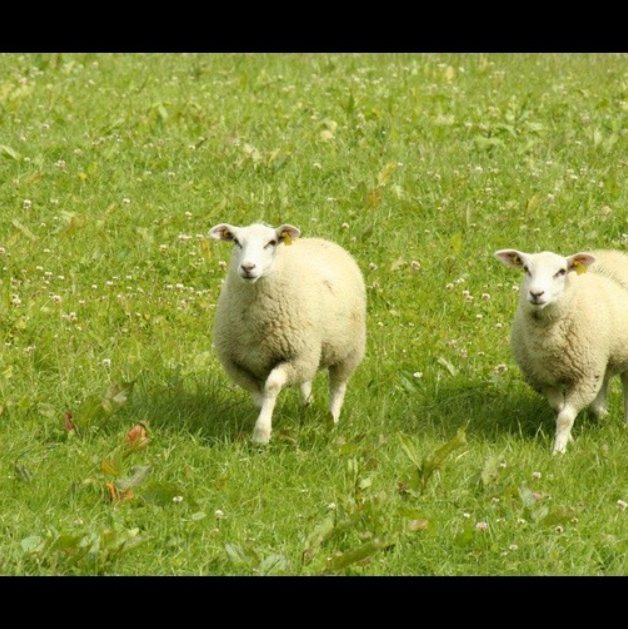
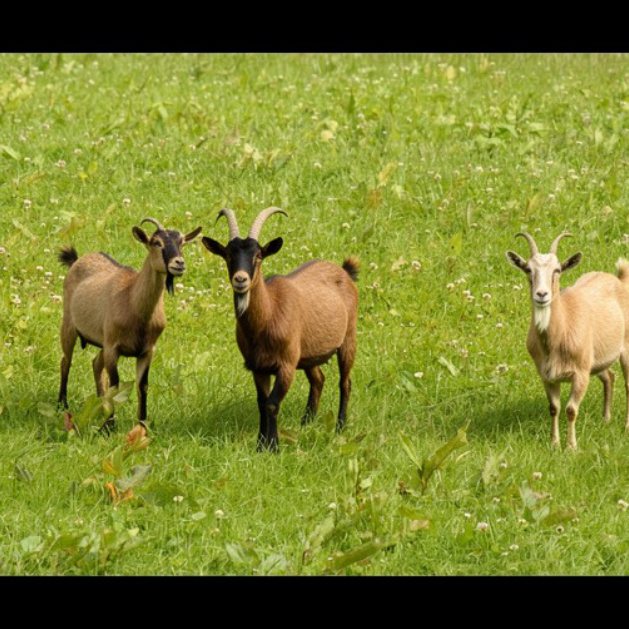
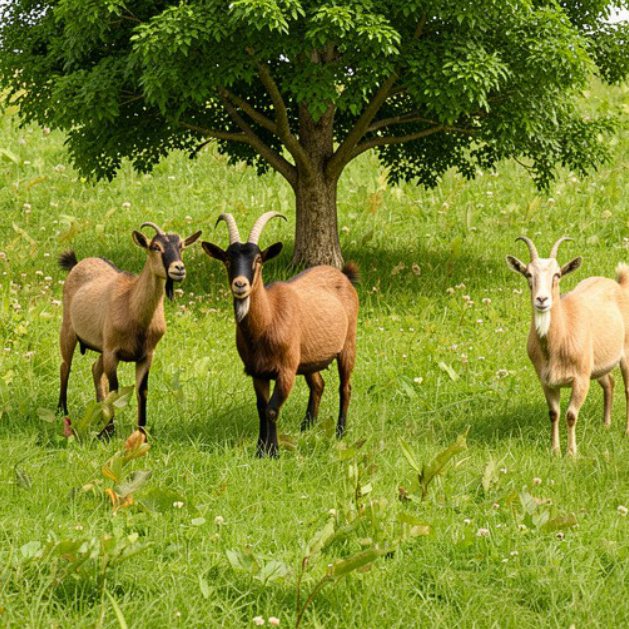
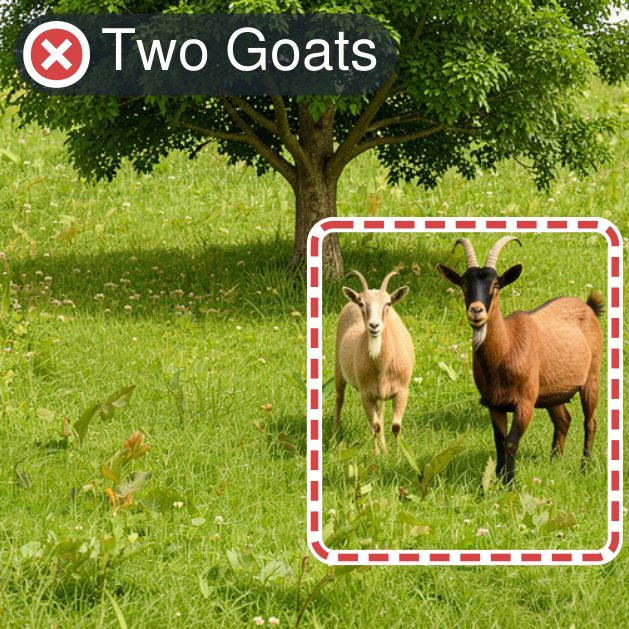
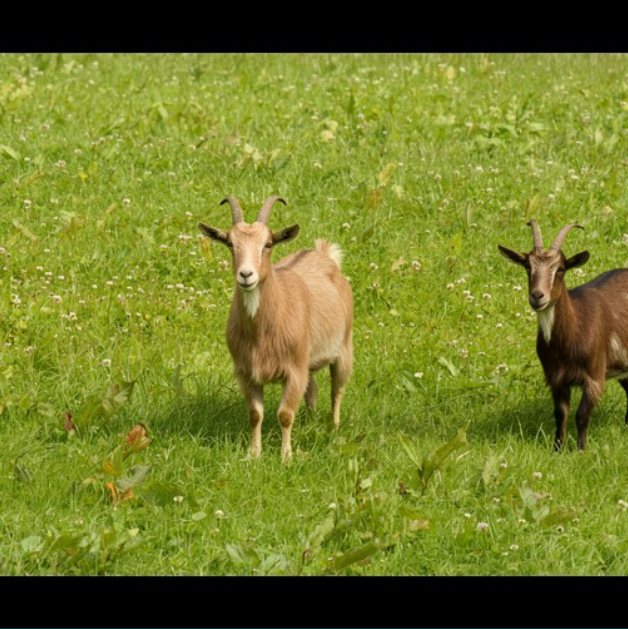
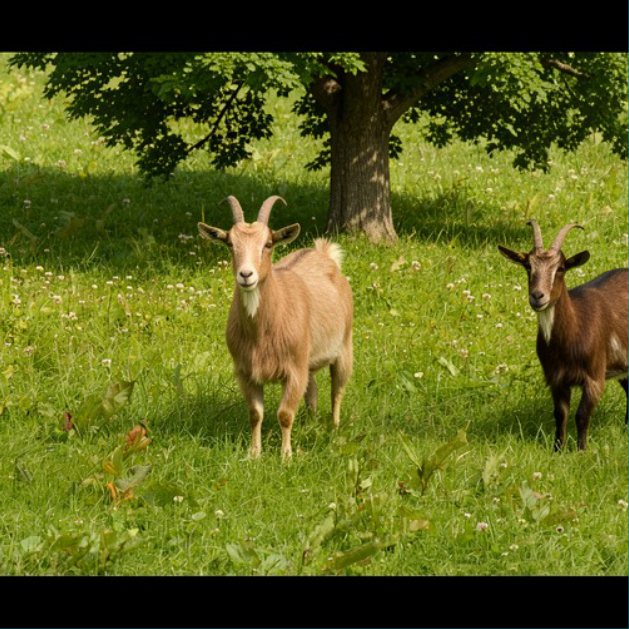
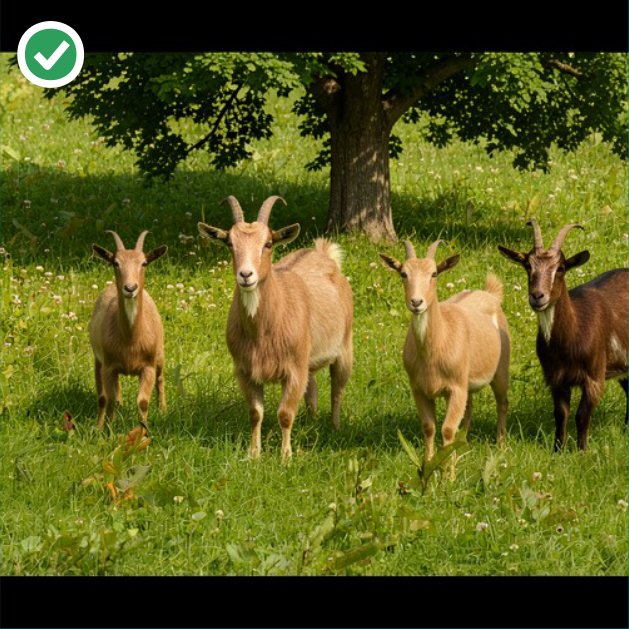
Make everything black and white except the lemons
Put a sprig of mint next to the bowl
Remove the copper kettle
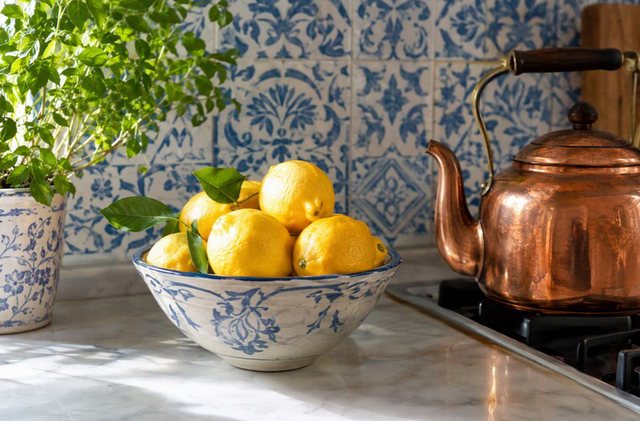
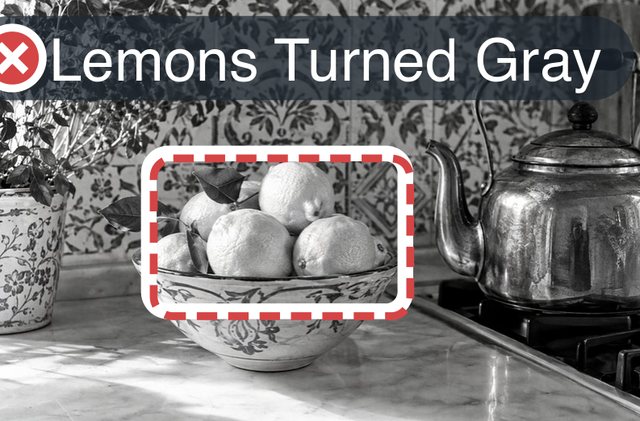
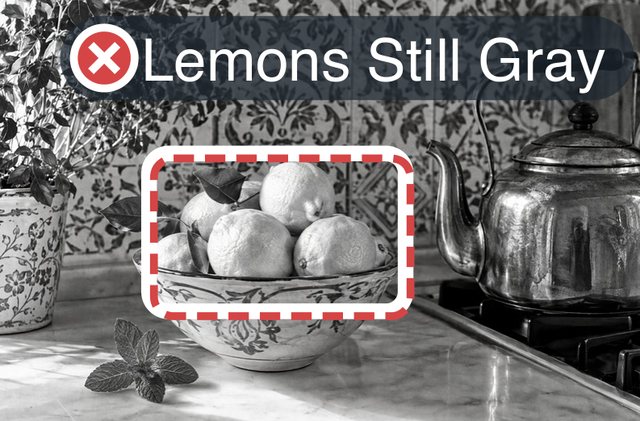
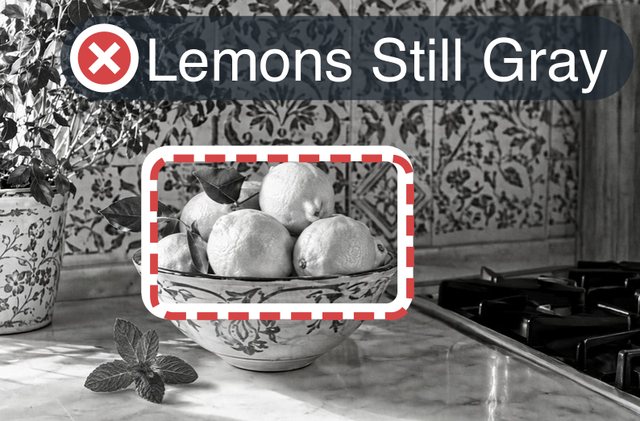
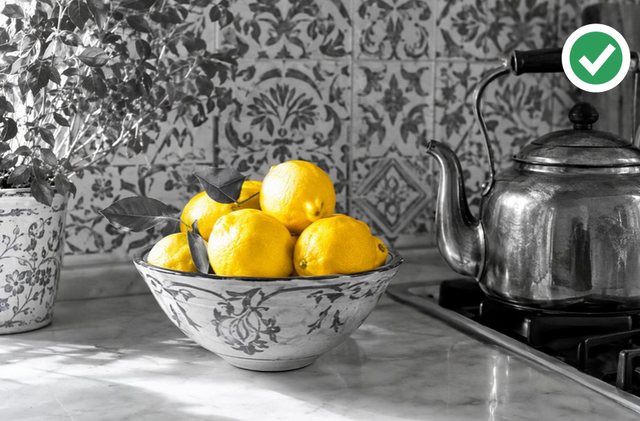
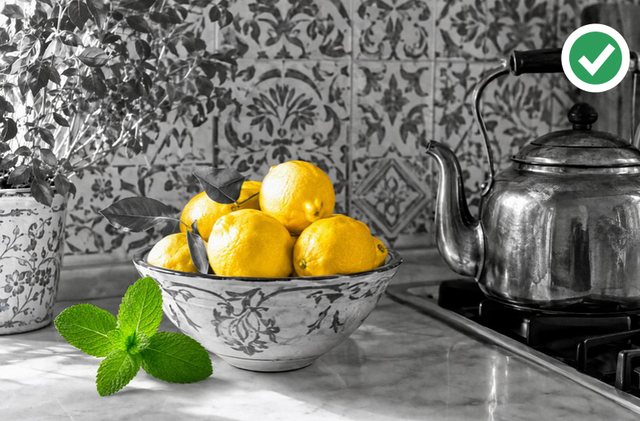
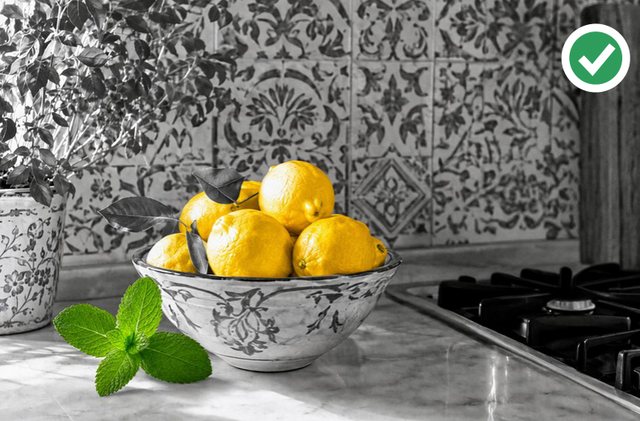
Make the photo slightly warmer
Paint the door of number 16 red
Make it a snowy winter day
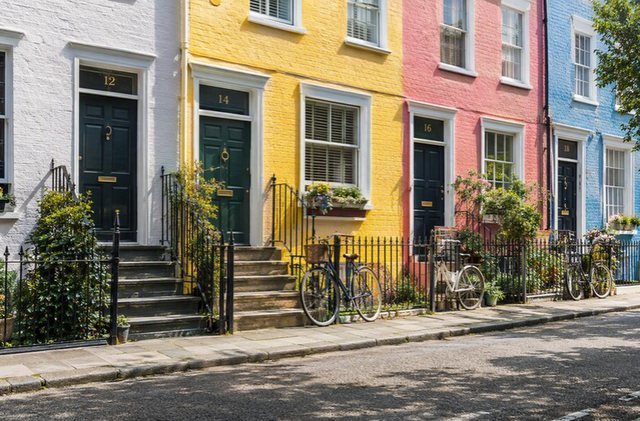
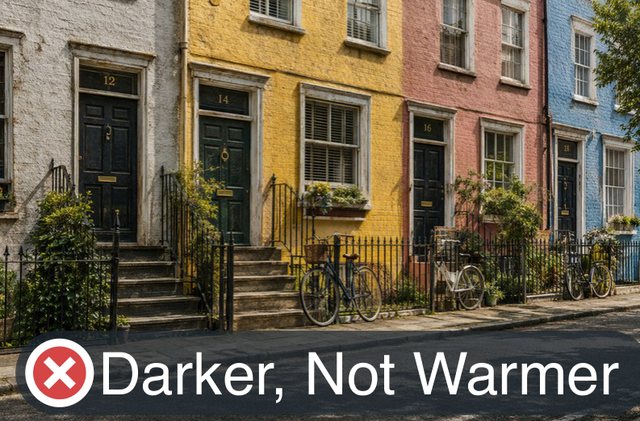
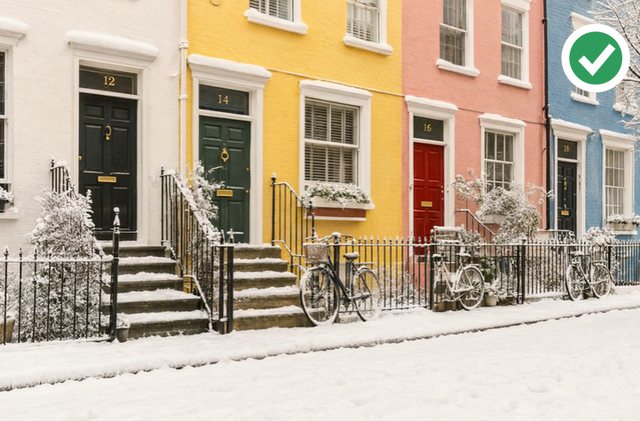
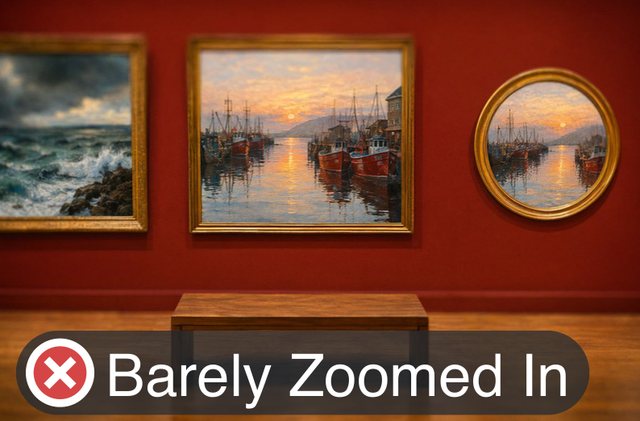
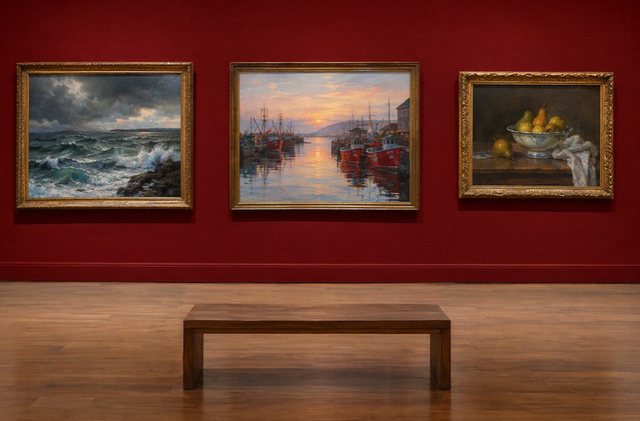
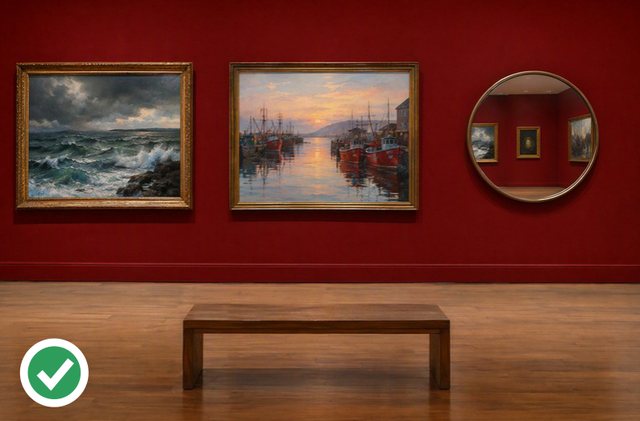
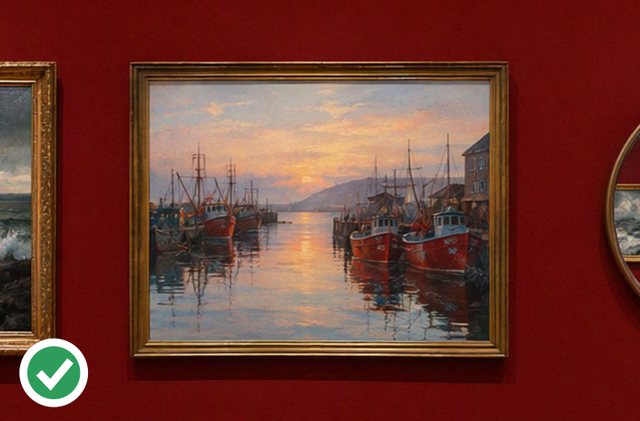
Make the gallery wall dark red
Replace the still life on the right with a round mirror
Zoom in on the middle painting
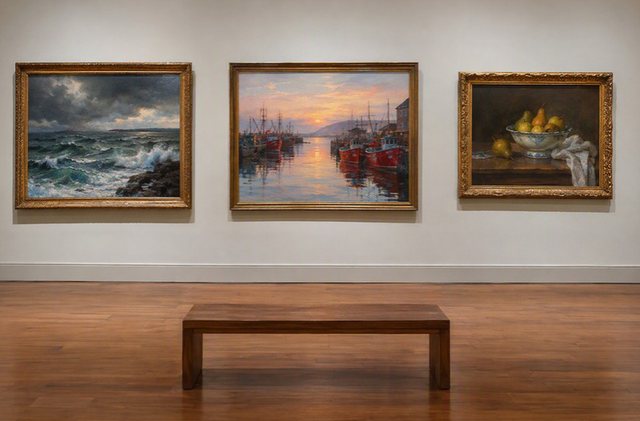
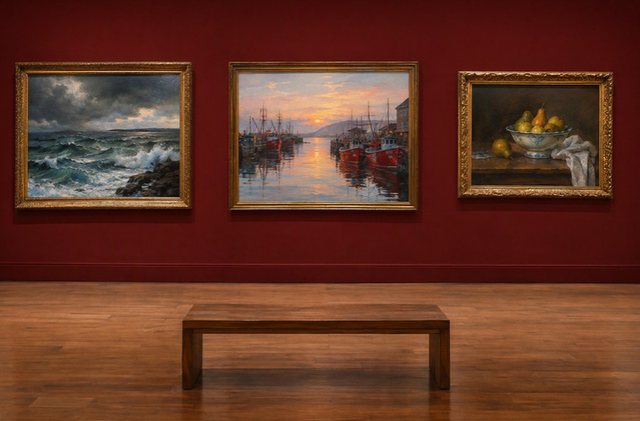
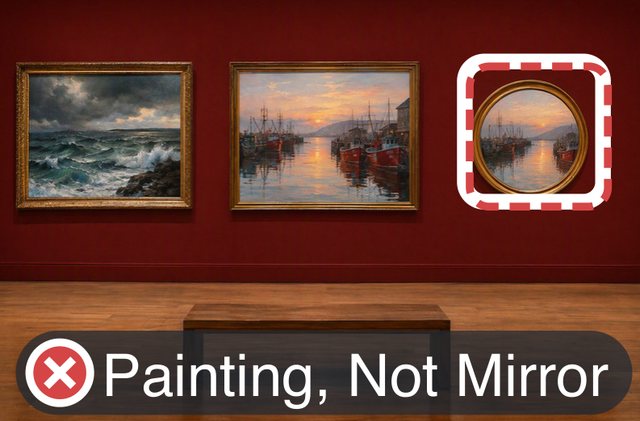
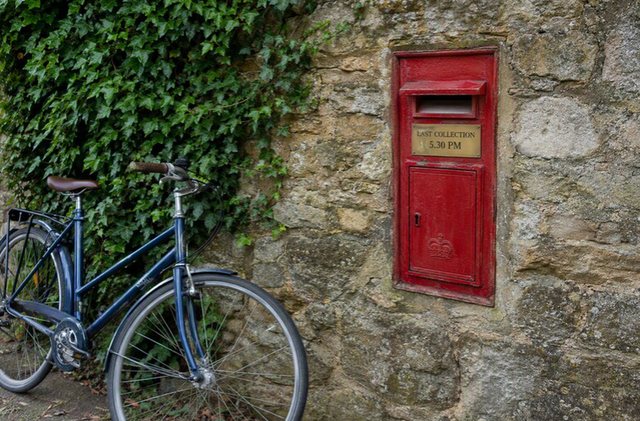
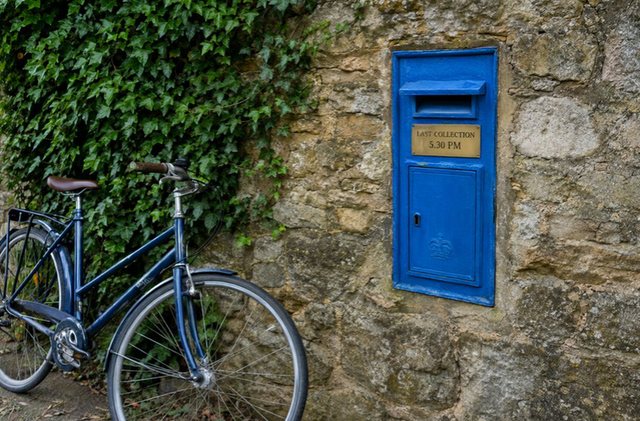
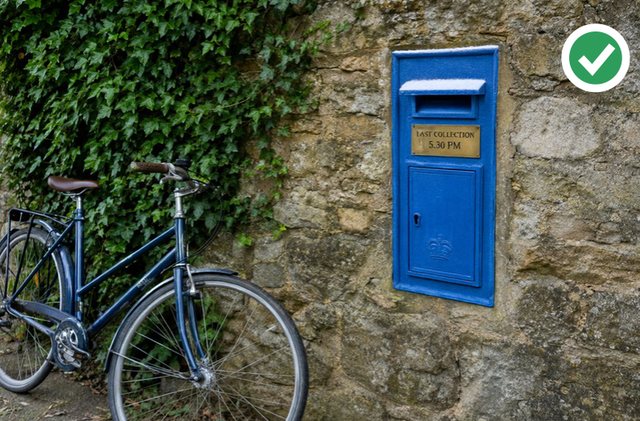
Paint the post box blue
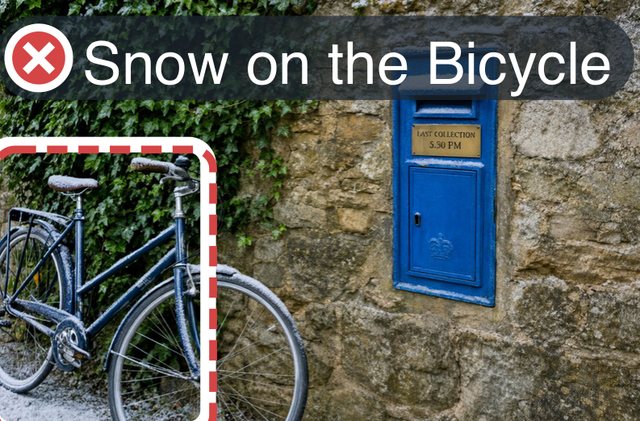
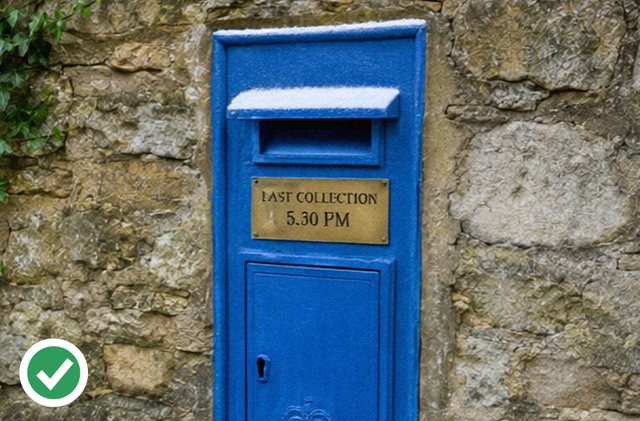
Add a thin layer of snow on top of the post box
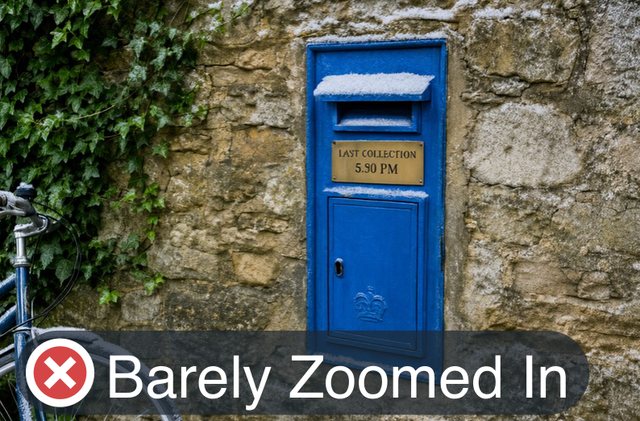
Zoom in on the brass plate
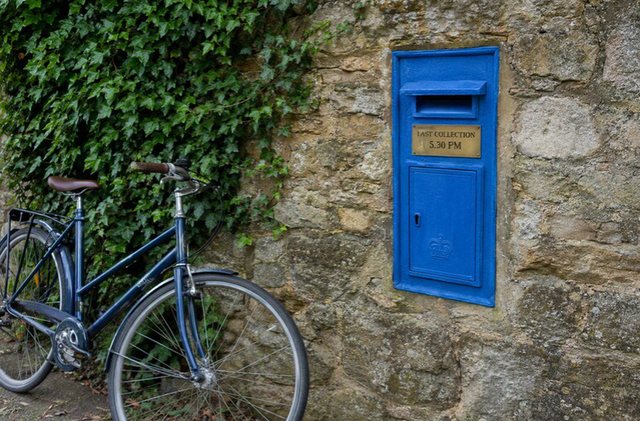
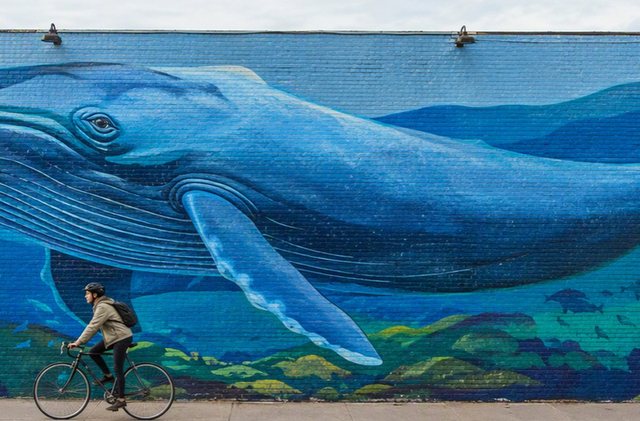
Zoom out to show the whole mural and the street
Remove the cyclist
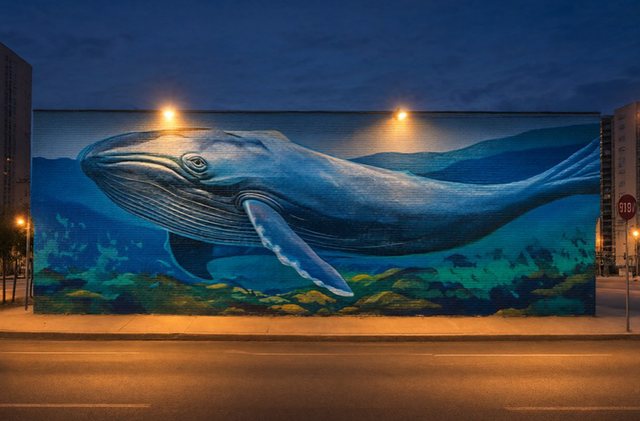
Make it evening with the streetlights on
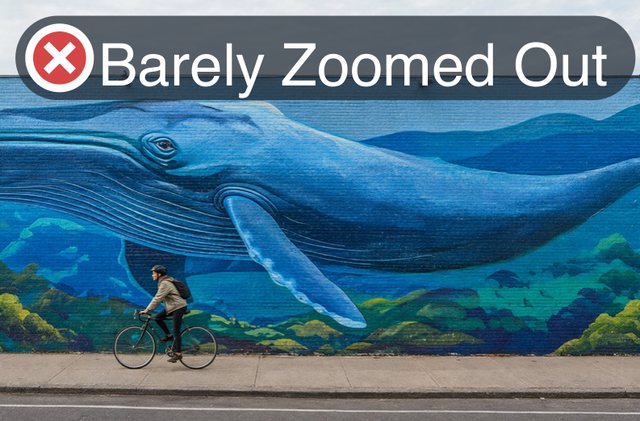
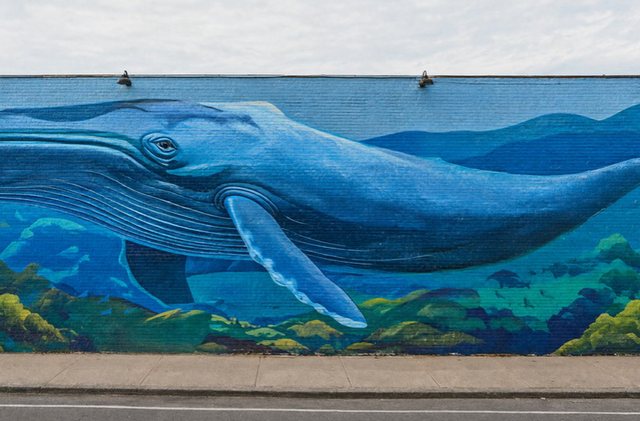
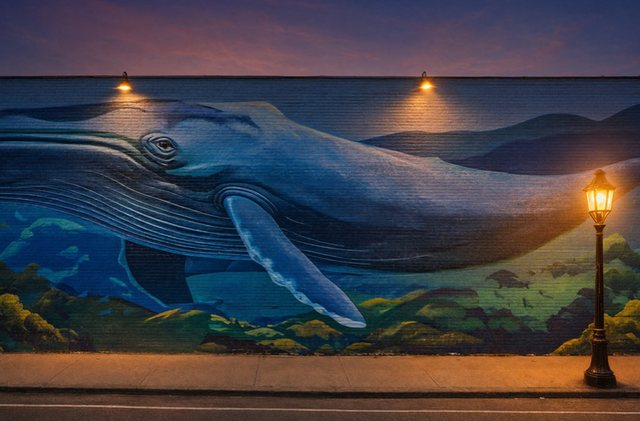
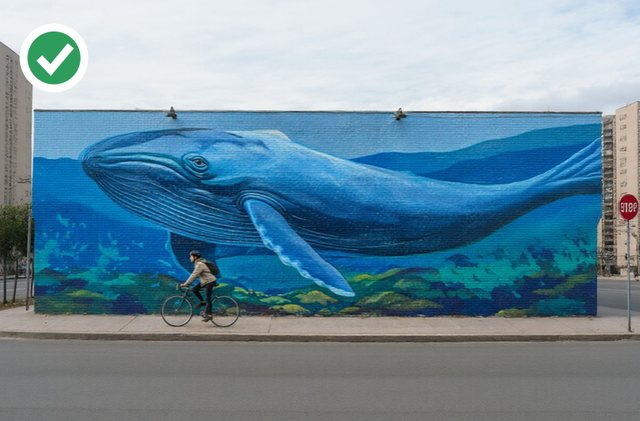
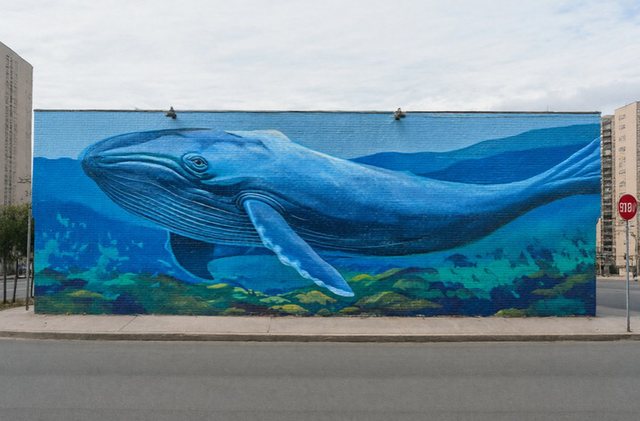
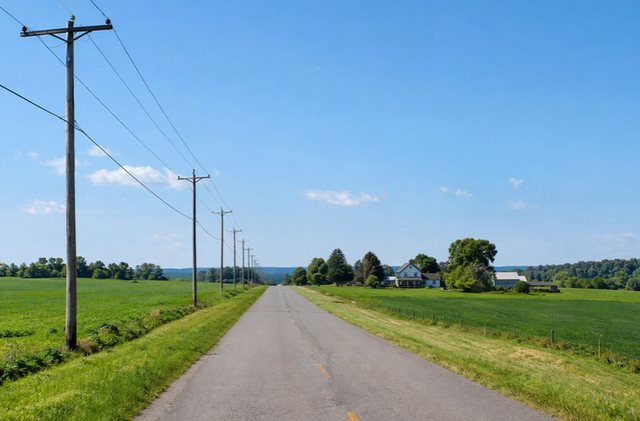
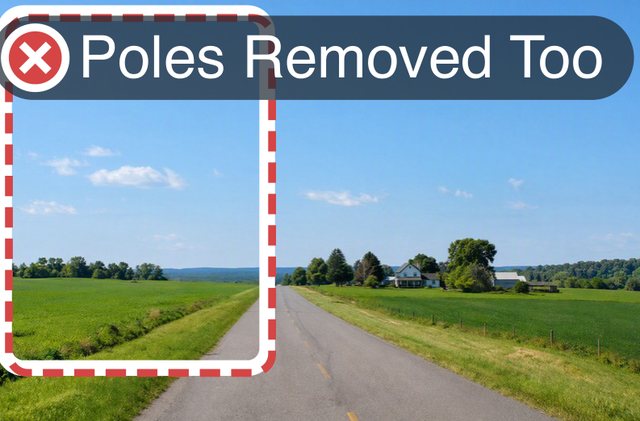
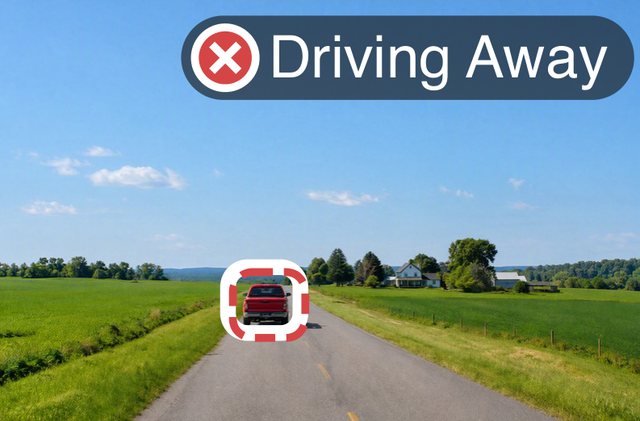
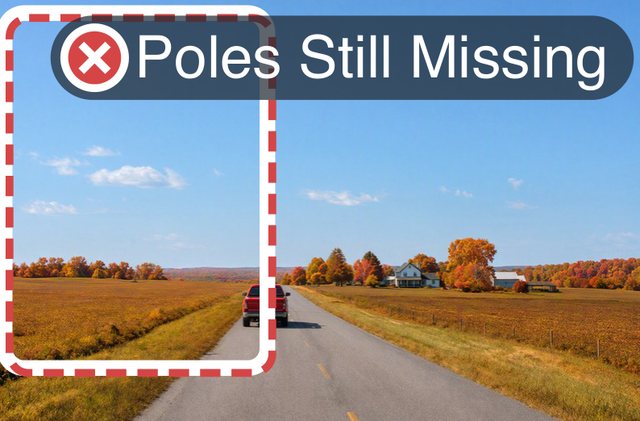
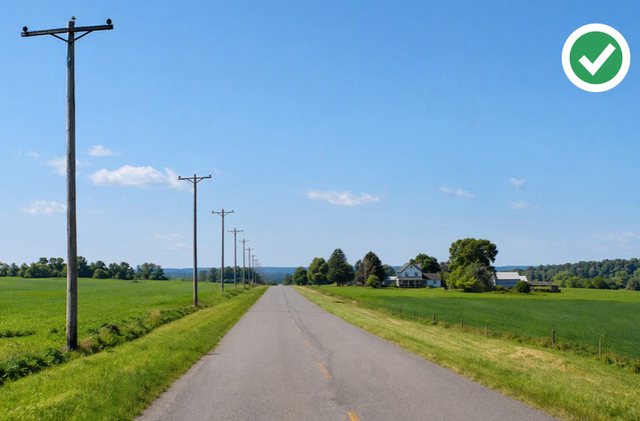
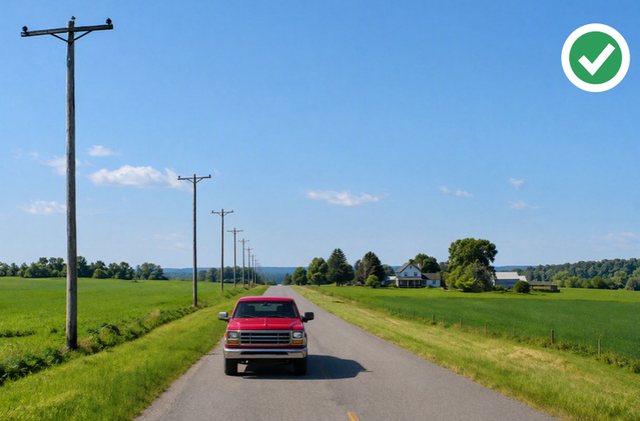
Remove the power lines, keeping the poles
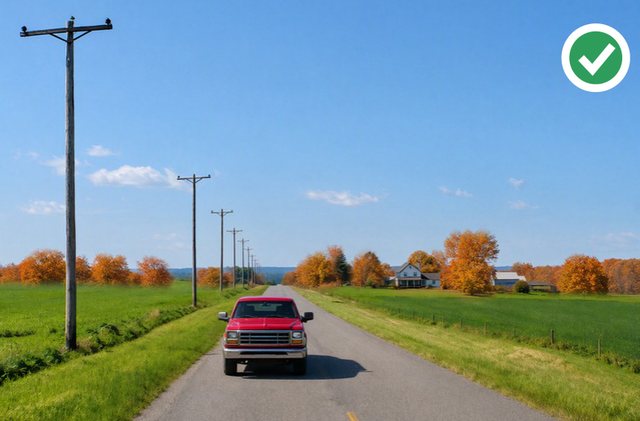
Add a red pickup truck driving on the road toward the camera
Make it autumn with orange and yellow trees
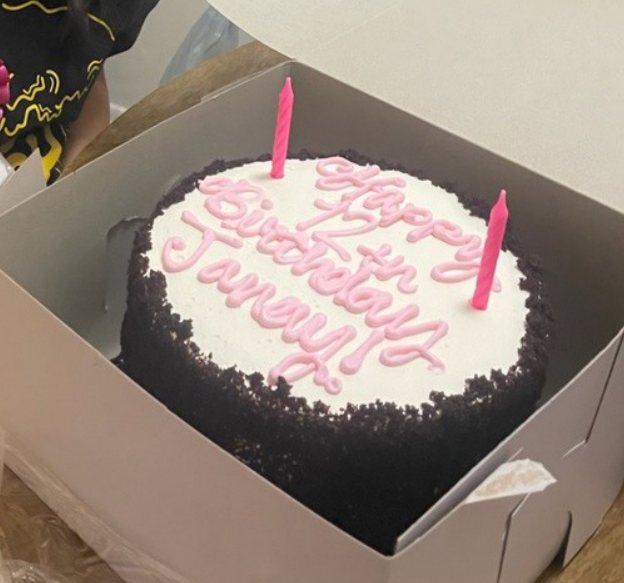
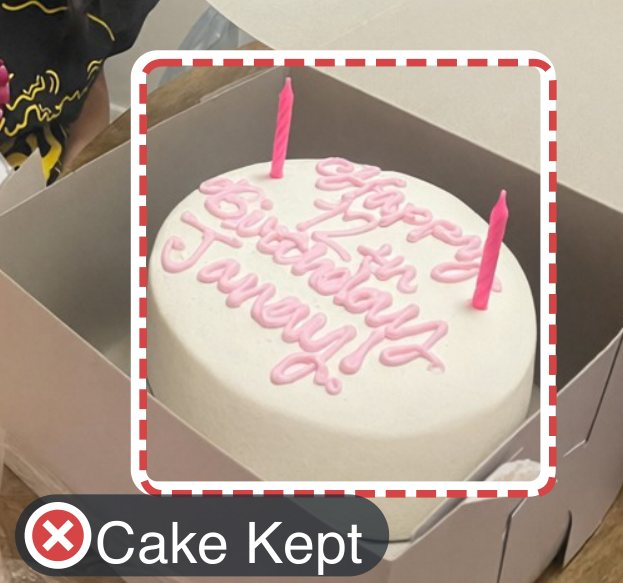
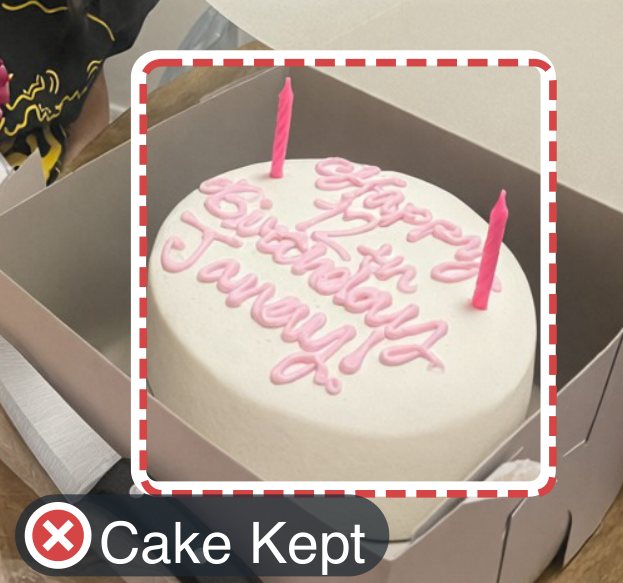
Remove chocolate cake
Add knife
Add text ‘CAKE’ on the image
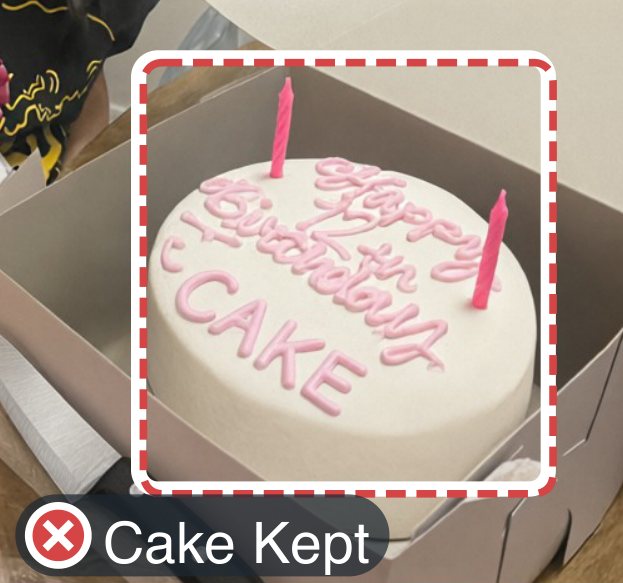
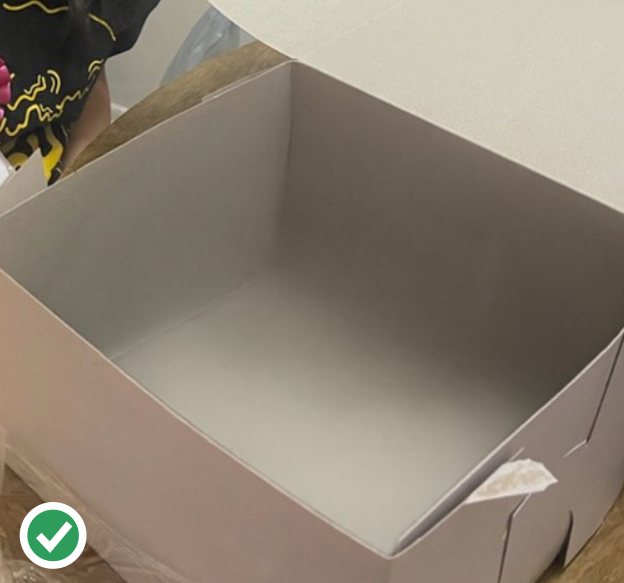
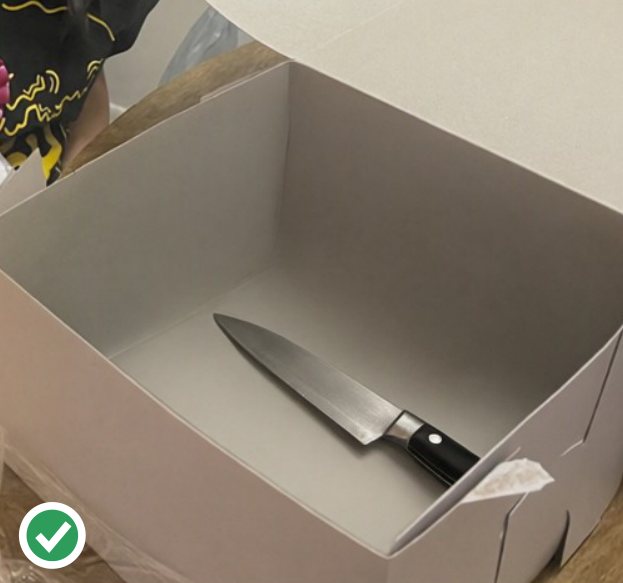
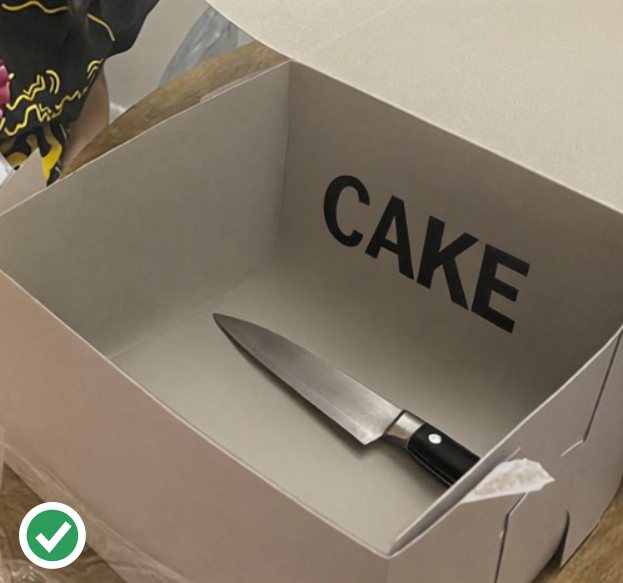
This photo is upside down. Rotate it 180 degrees
Make the train red
Zoom in on the station clock
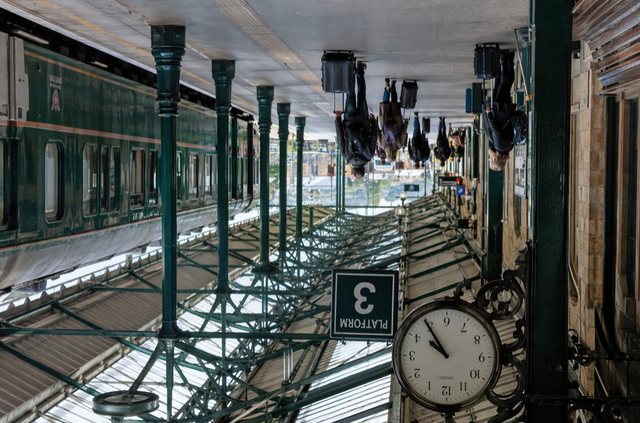
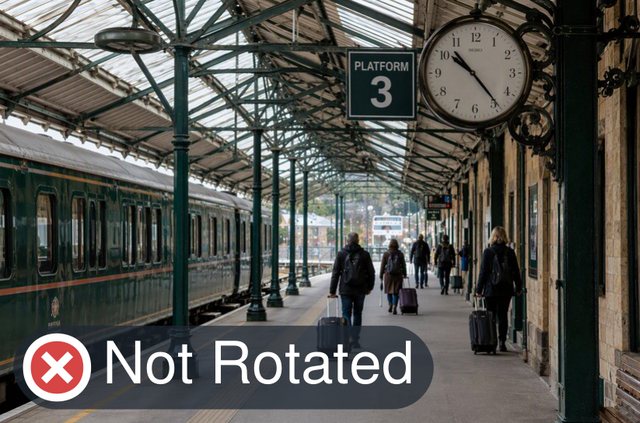
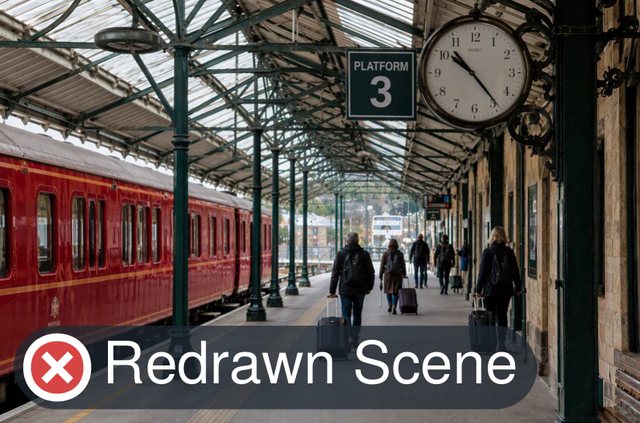
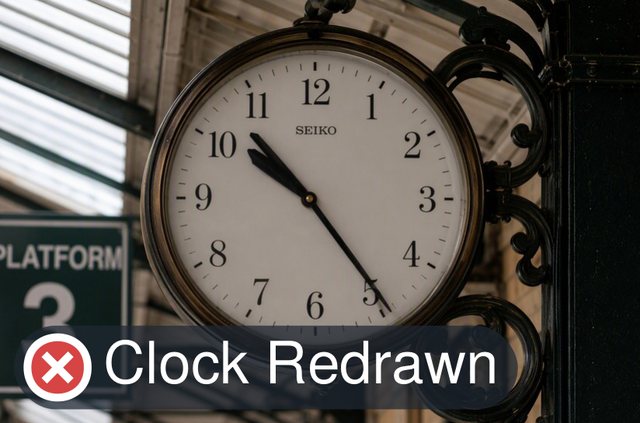
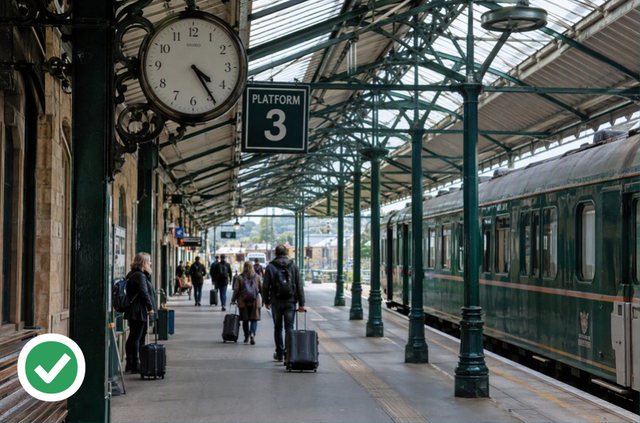
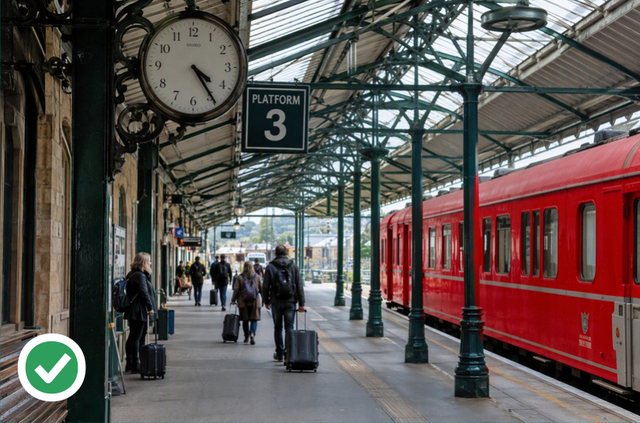
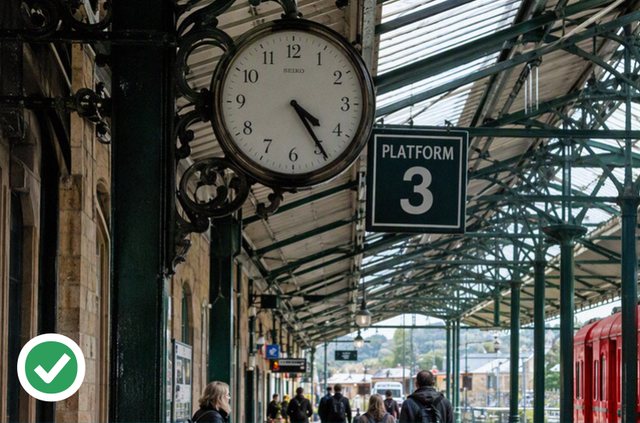
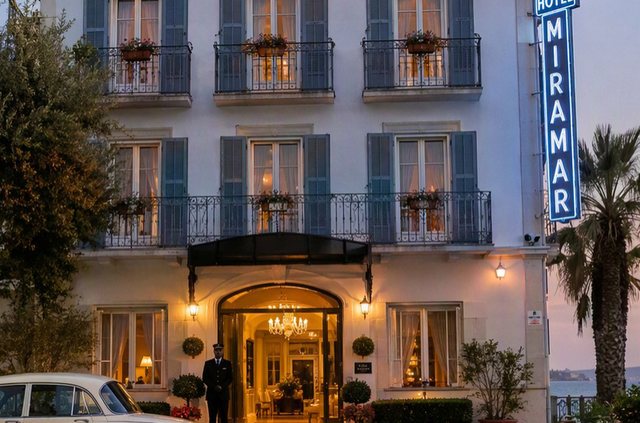
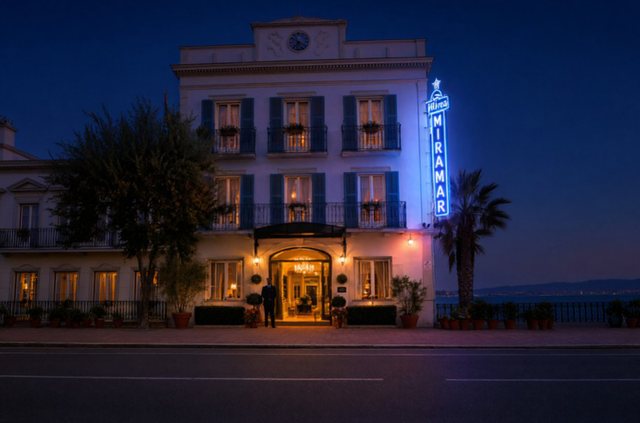
Zoom out to show the whole hotel facade
Remove the car parked in front
Make it night with the neon sign glowing

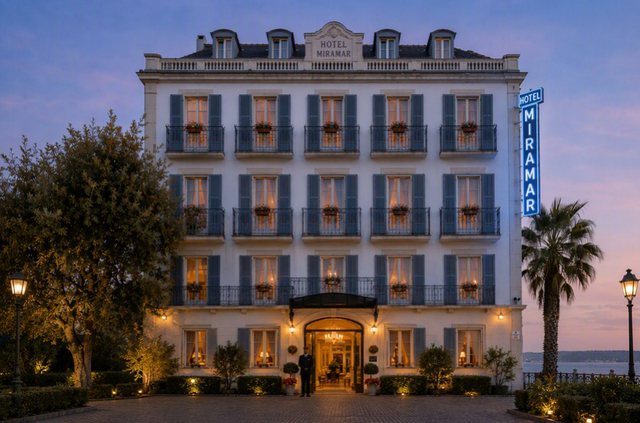
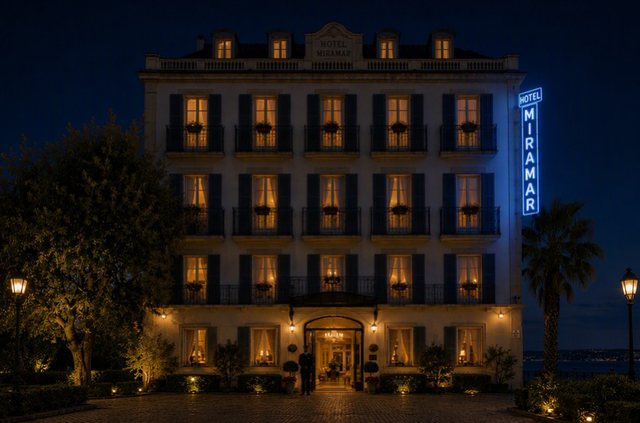
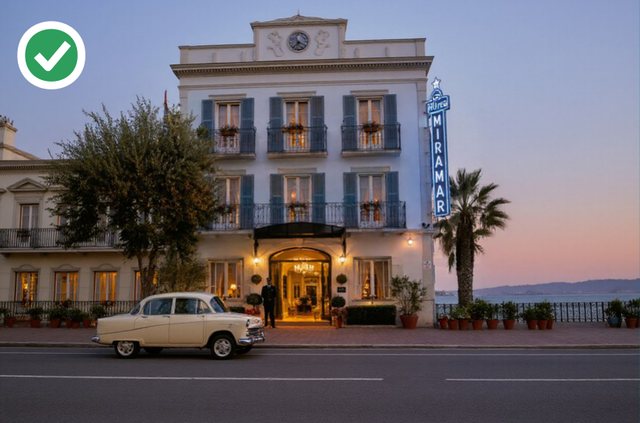
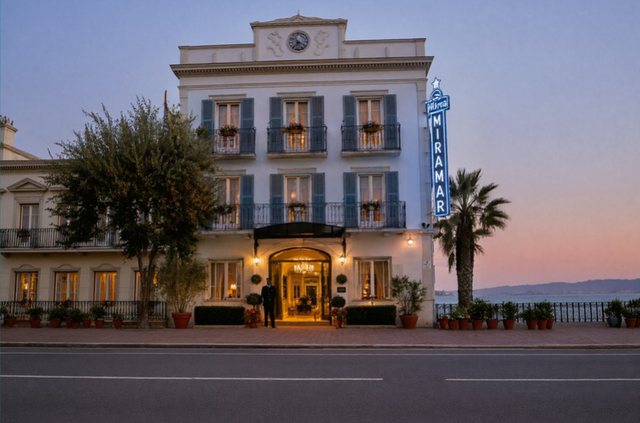
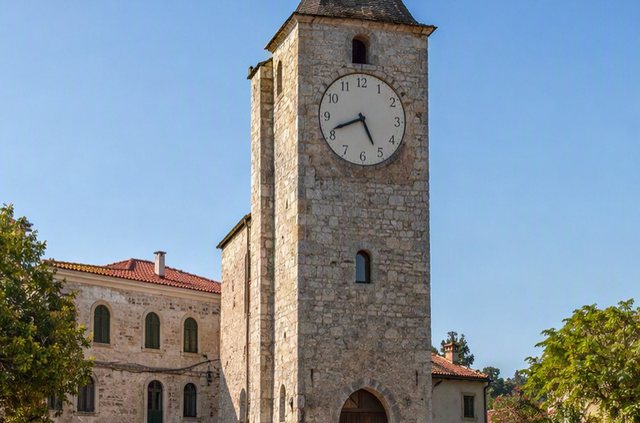
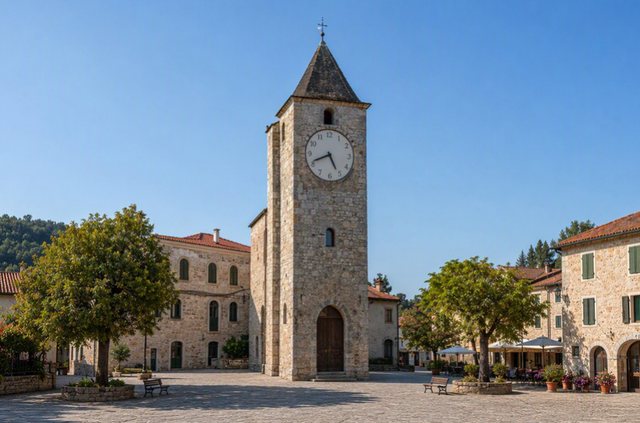
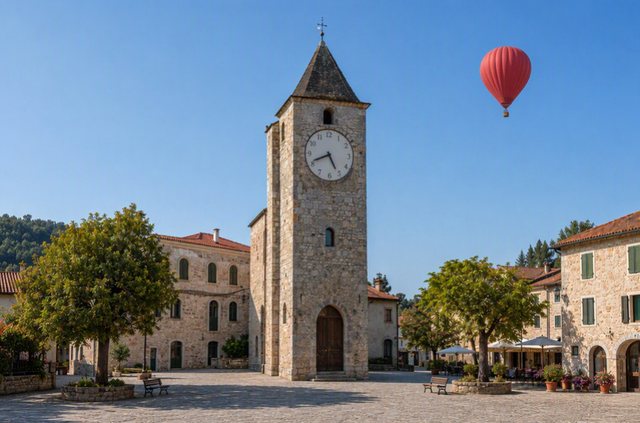
Zoom out to show the whole tower and the square
Add a red hot-air balloon in the sky
Zoom in on the clock
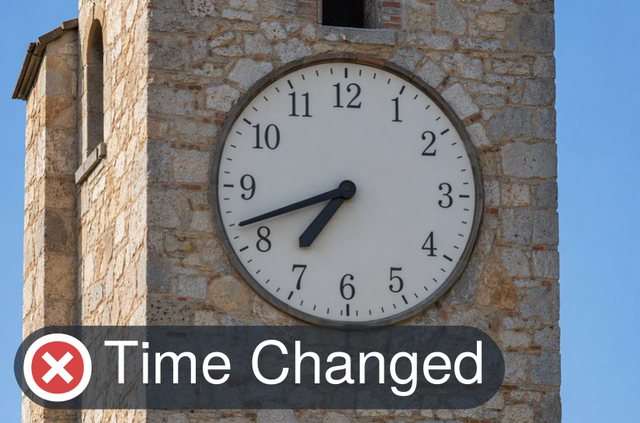
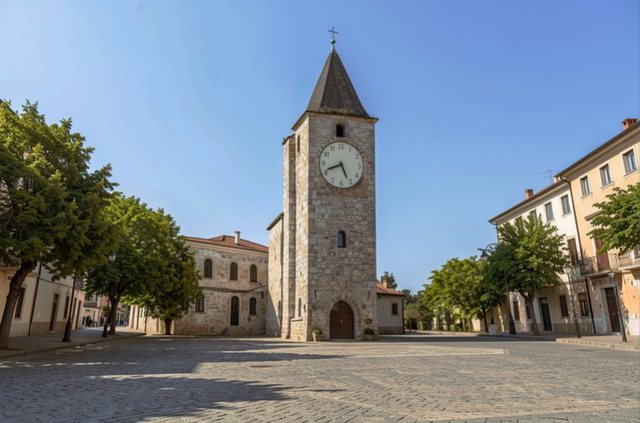
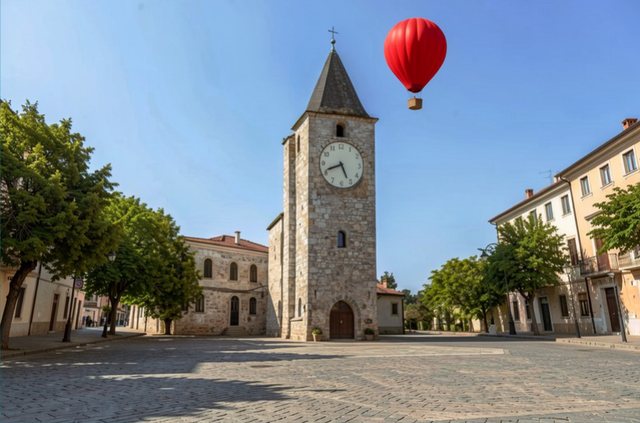
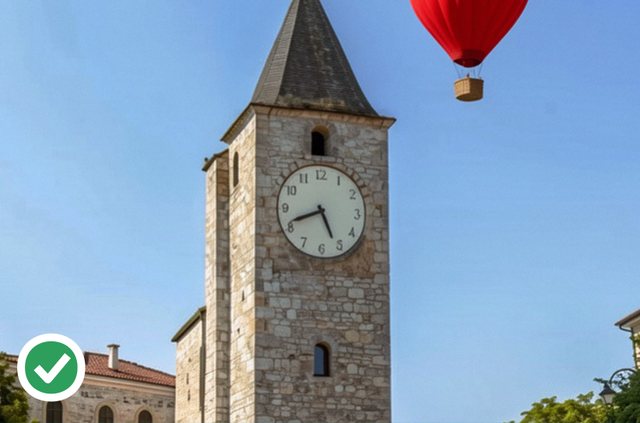
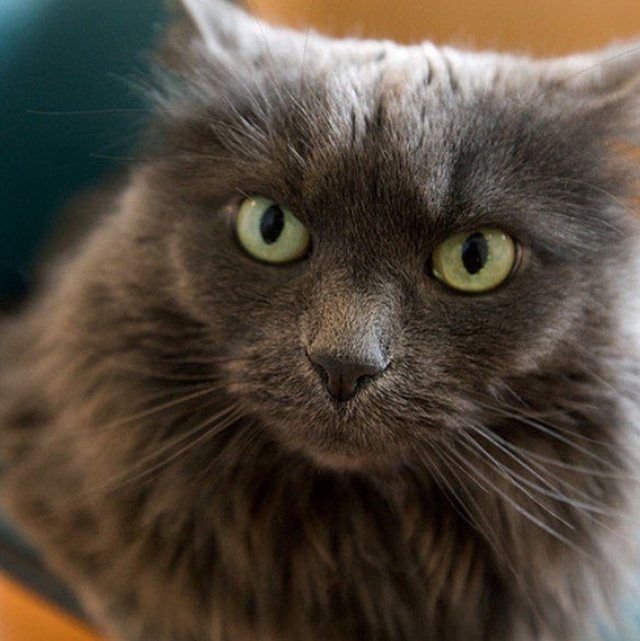
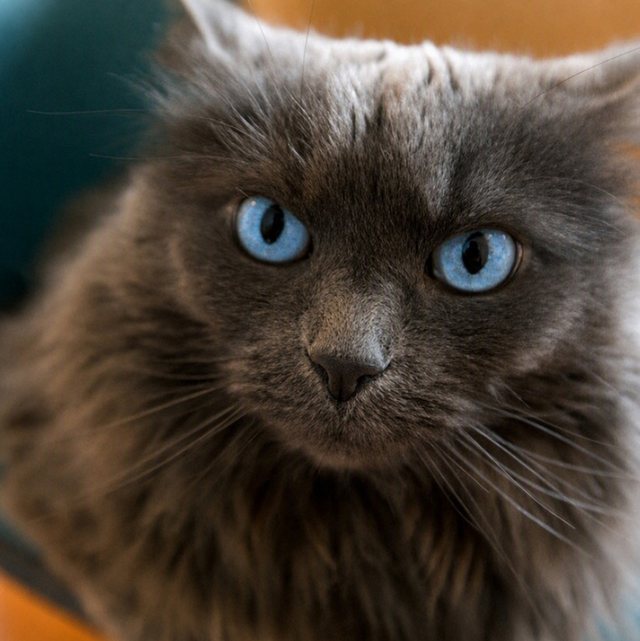
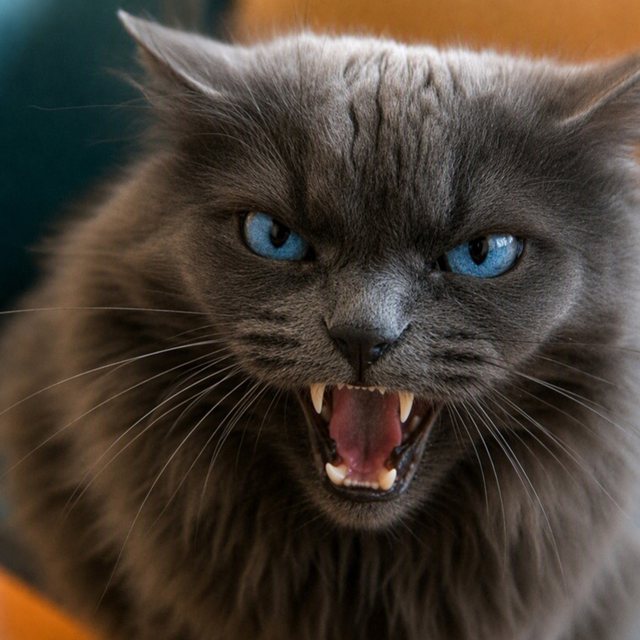
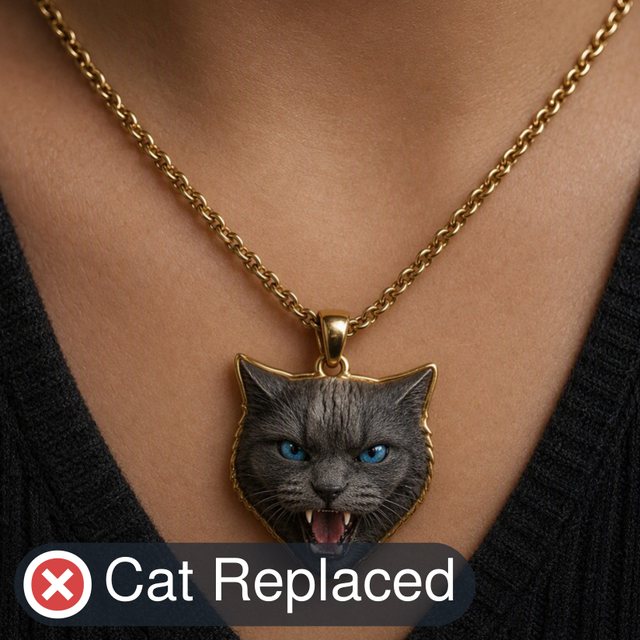
Let the cat have blue eyes
Let it be angry and hiss
Wear it a necklace
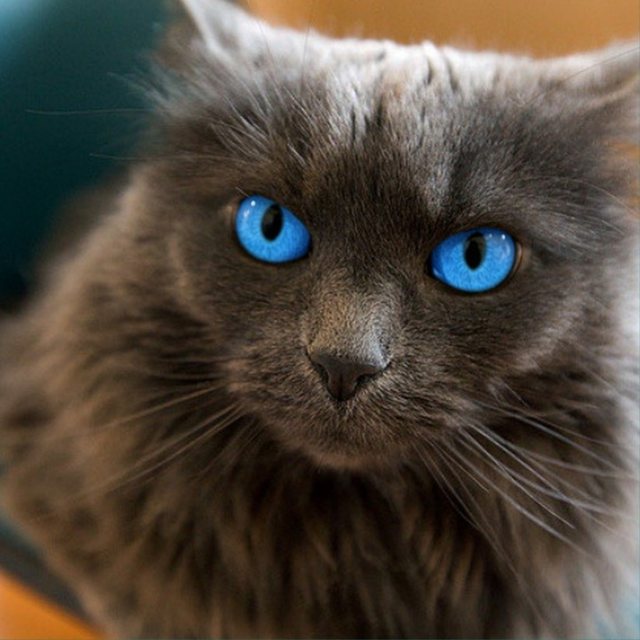
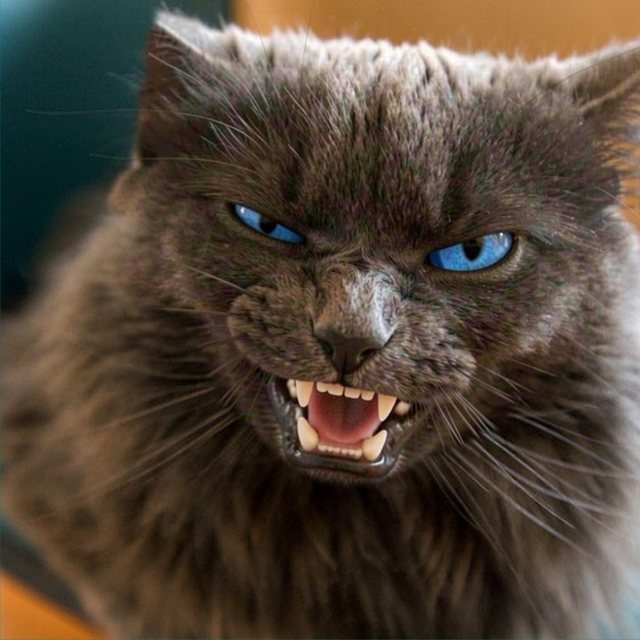
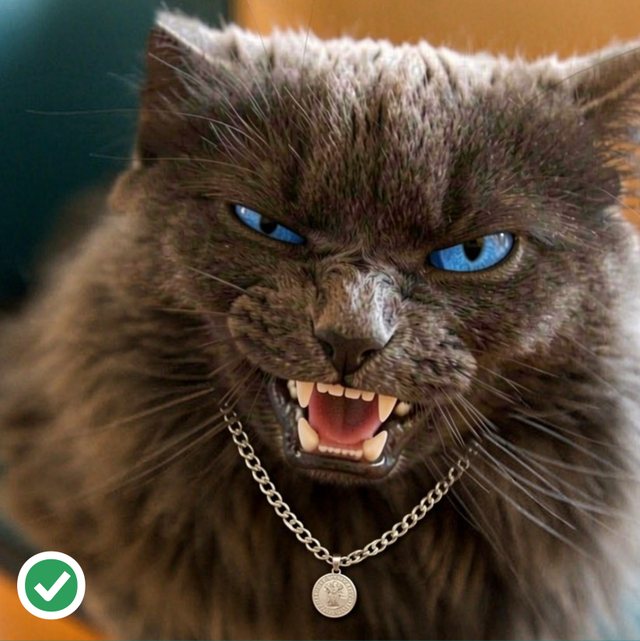
The photo is too dark. Lift the exposure so the faces are clearly visible
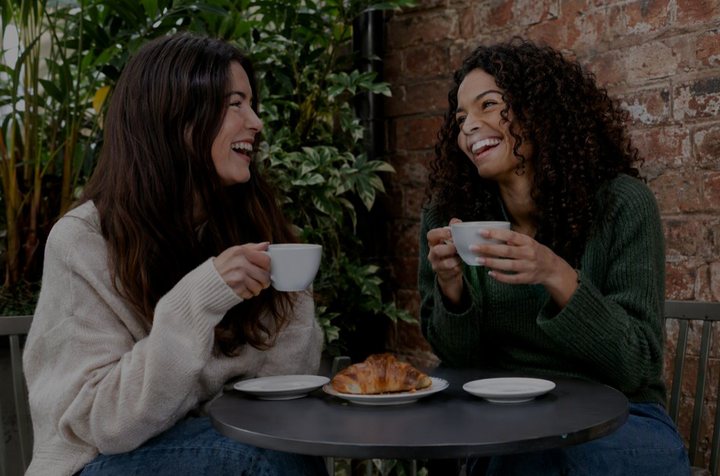
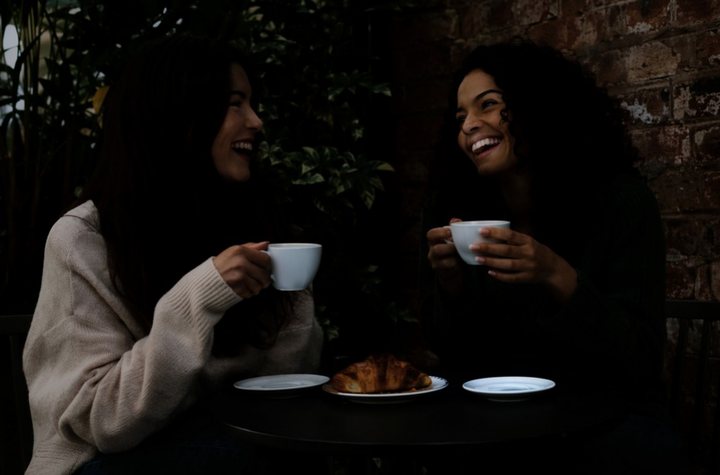
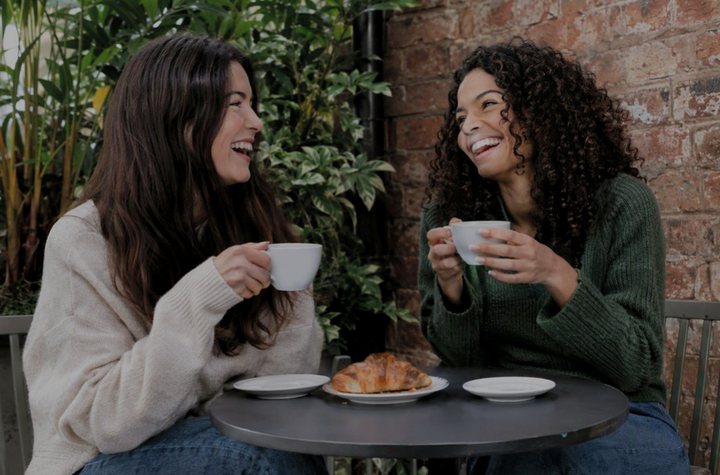
Darker, Not Brighter
Faces Clearly Visible
Straighten the tilted horizon
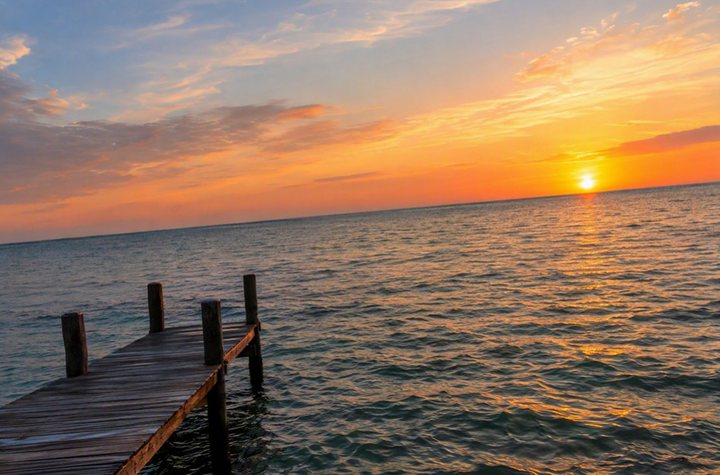
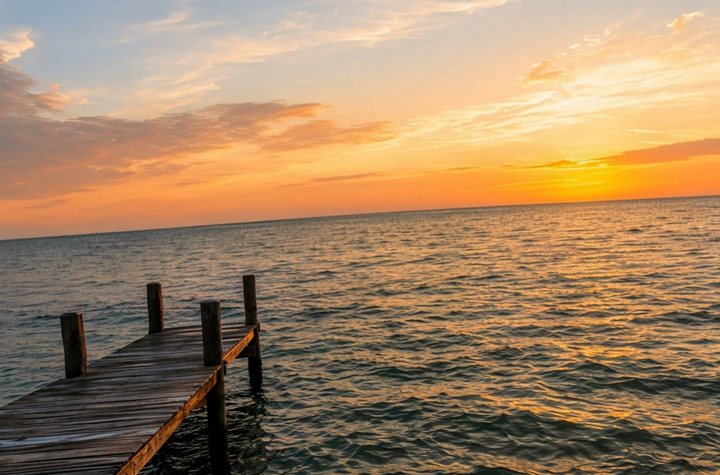
Still Tilted, Sun Erased
Level Horizon
Mirror the image left to right
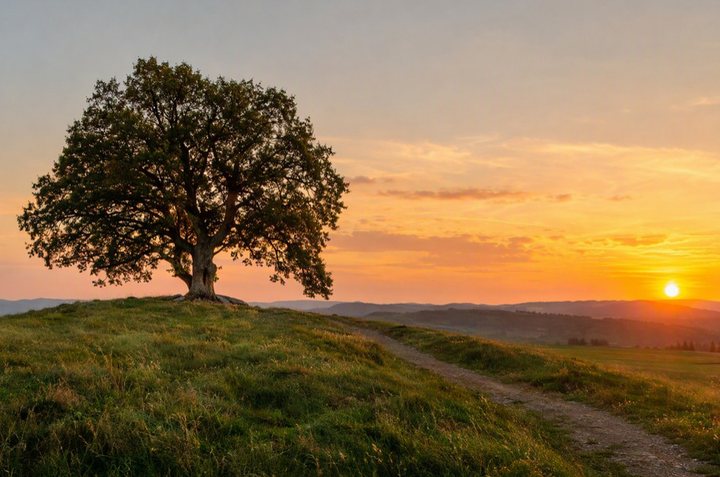
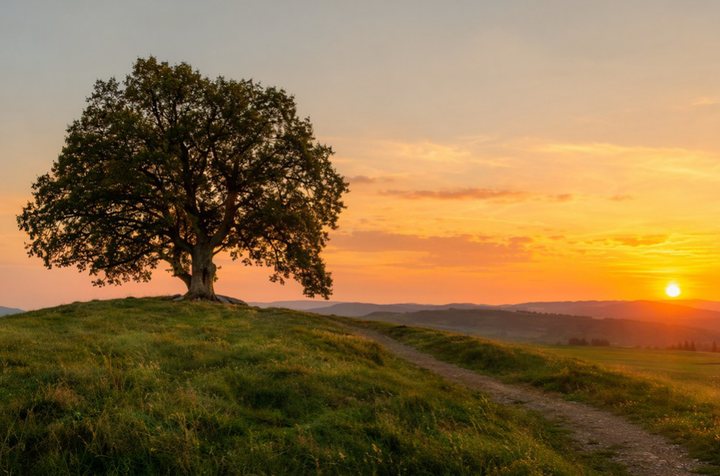
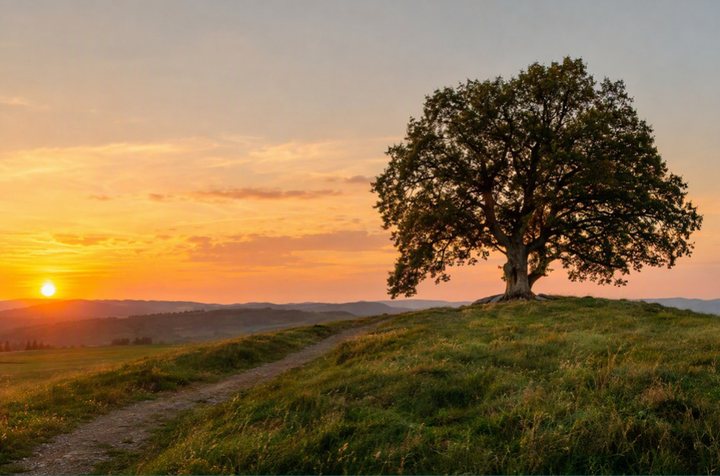
Not Mirrored
Exact Mirror
Turn only the rightmost tulip purple
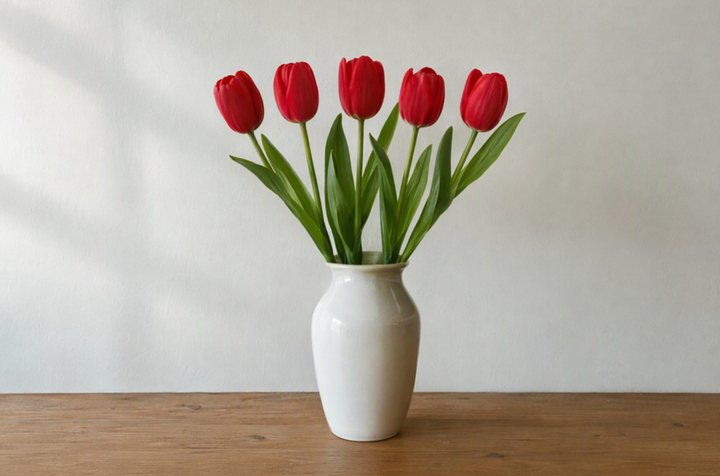
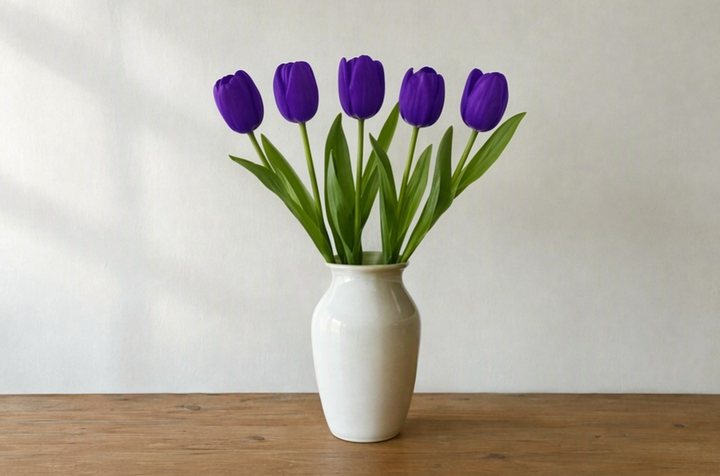
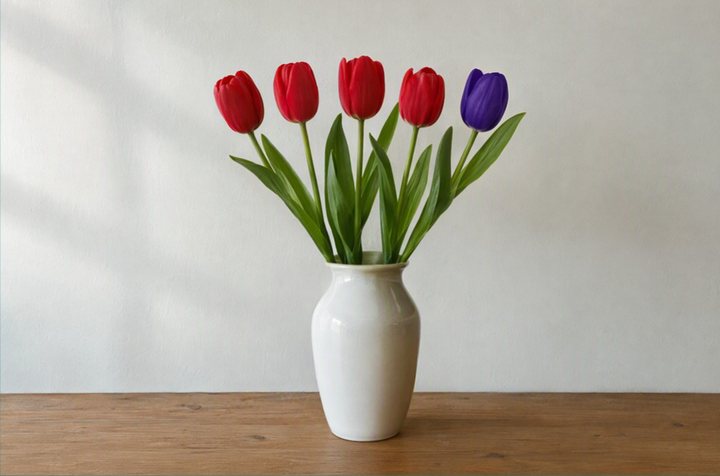
All Five Turn Purple
Only the Rightmost Tulip
Change the cat in mirror to a tiger
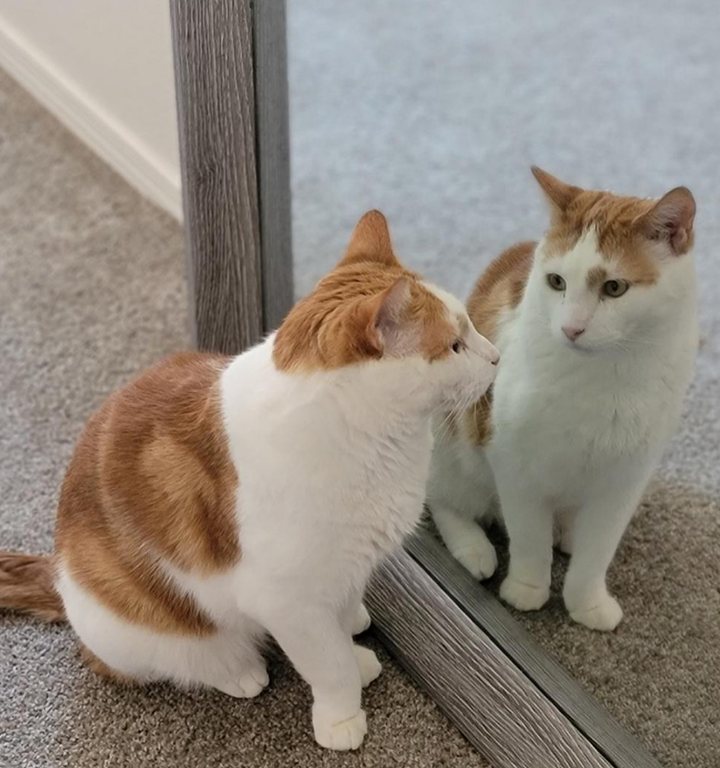
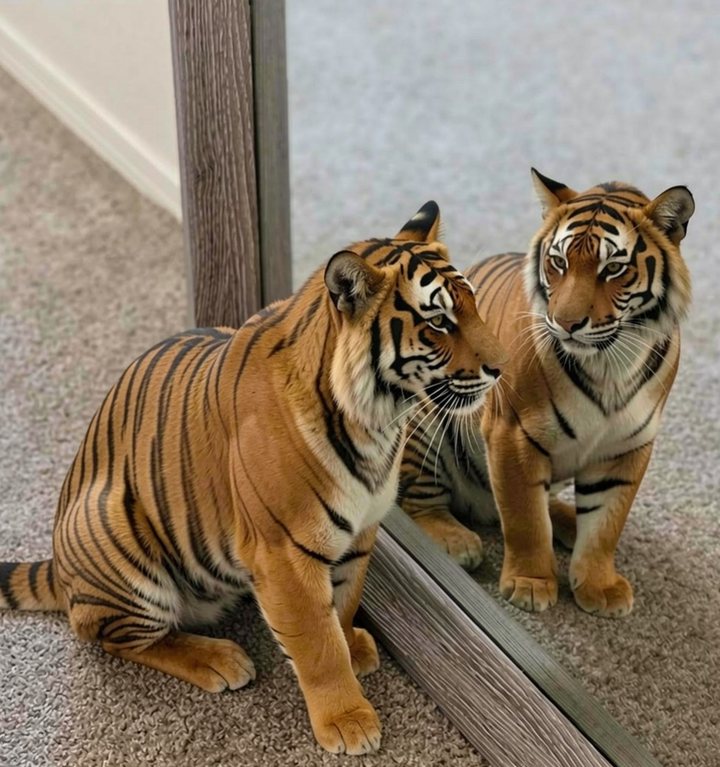
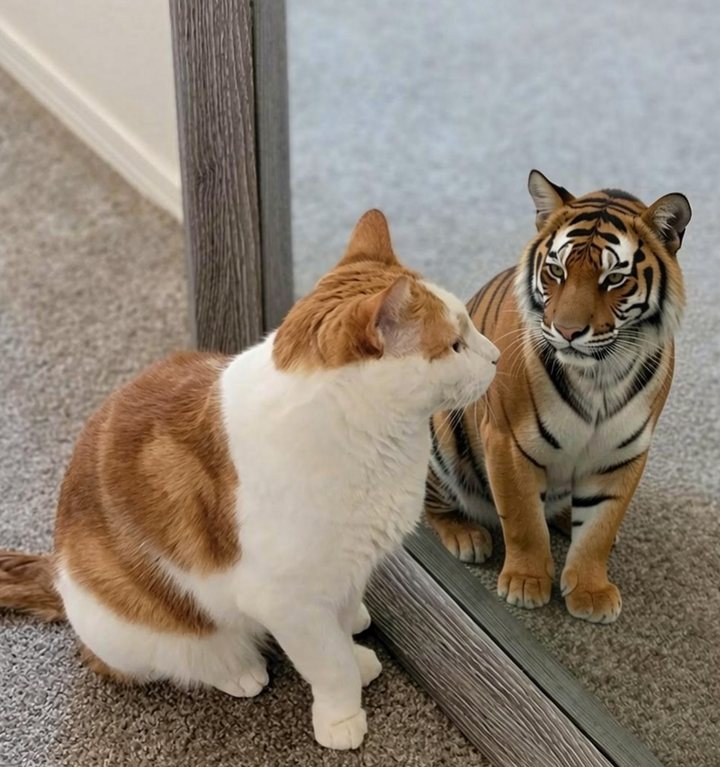
Real Cat Also a Tiger
Only the Reflection
delete the cat; delete the bench; change the background to lush garden
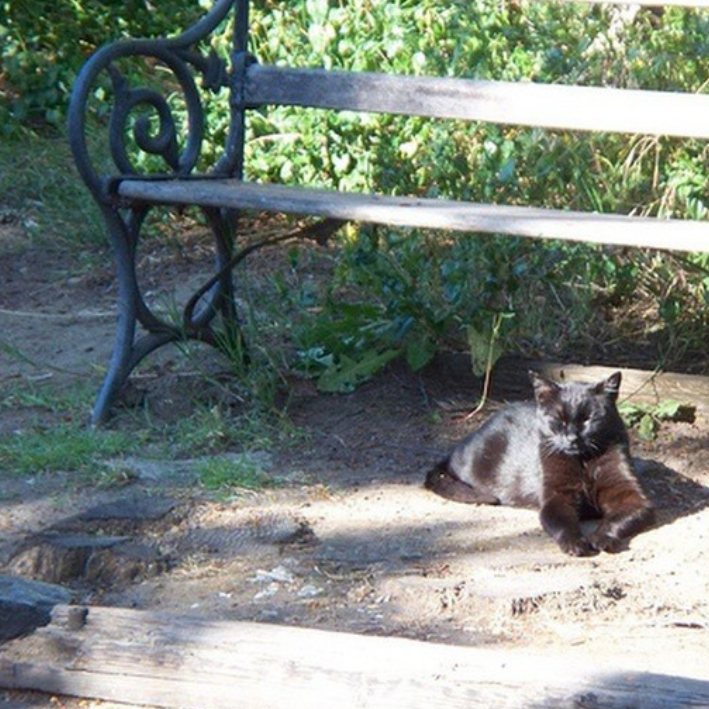
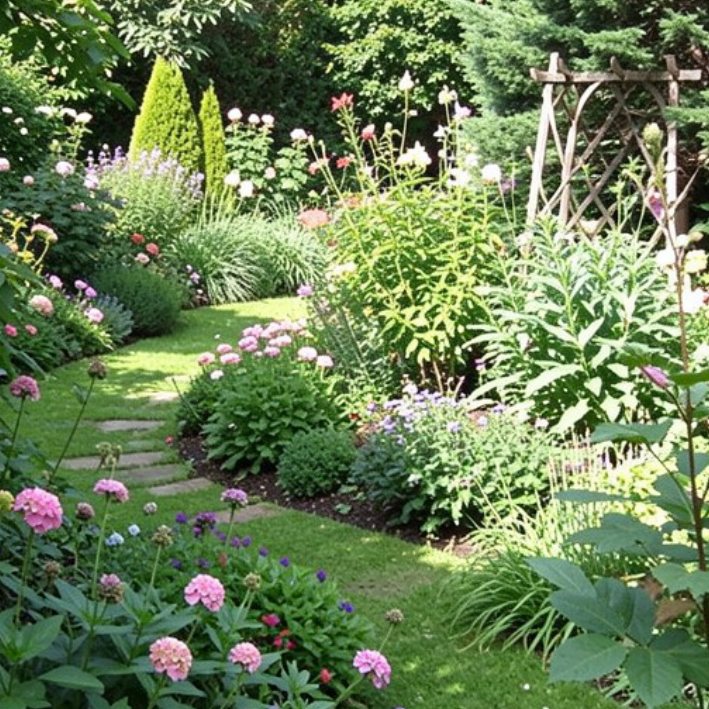
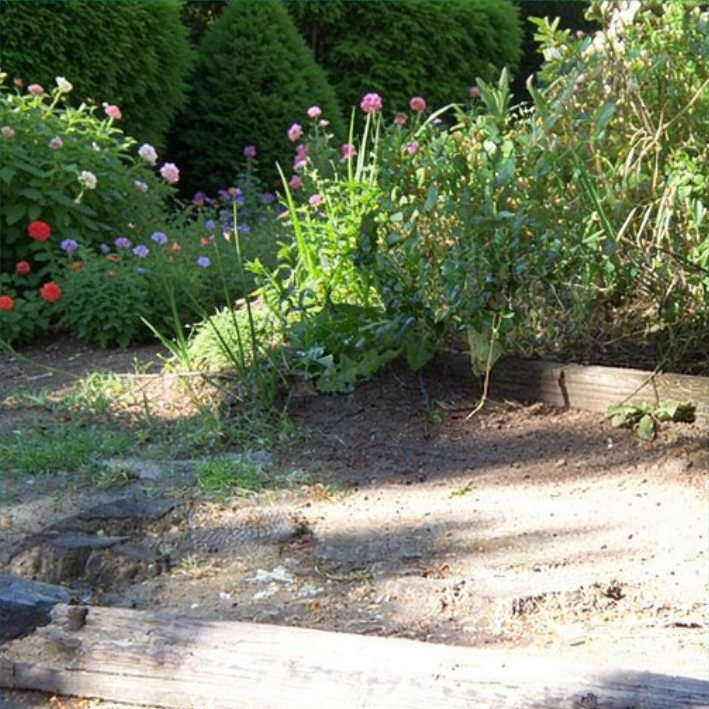
Whole Photo Replaced
Cat and Bench Removed
Replace the squirrel with a hedgehog
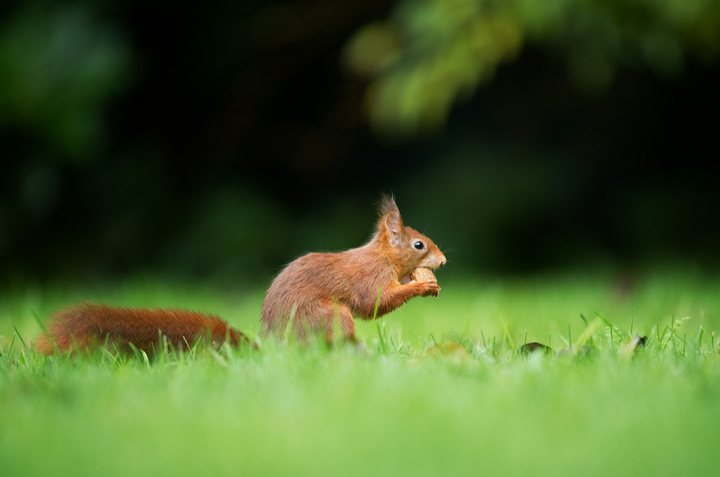
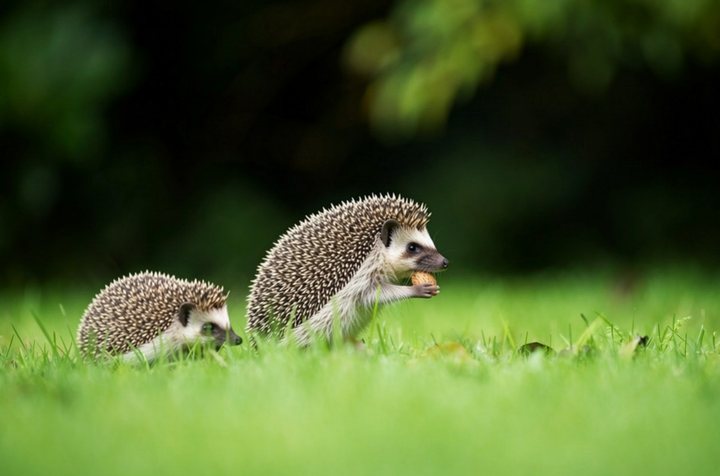
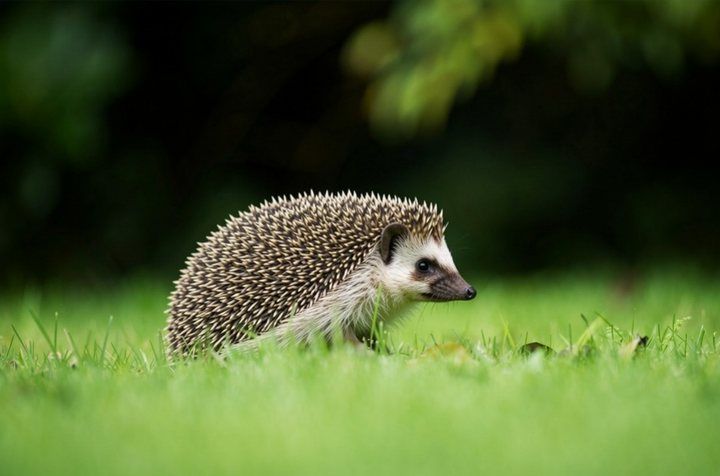
Tail Becomes a Hedgehog
One Hedgehog
Remove two of the ducks so that only three remain
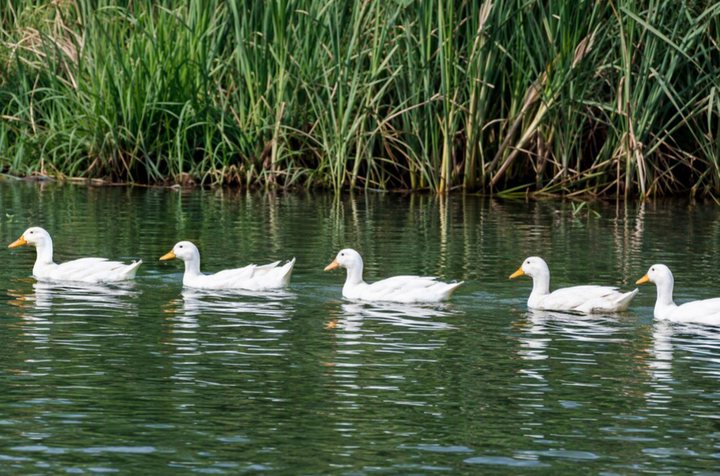
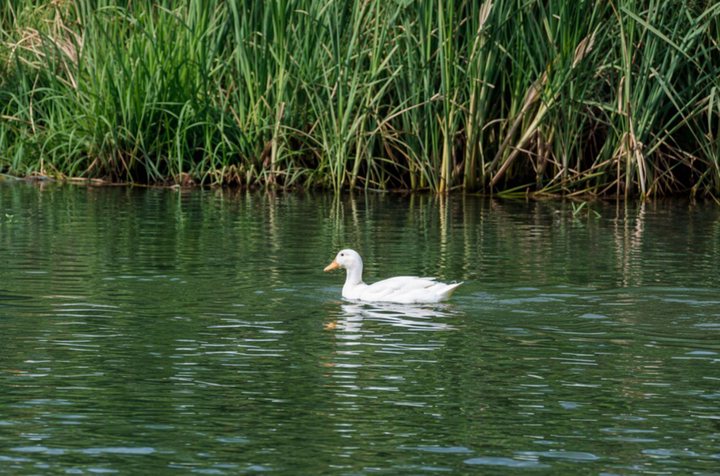
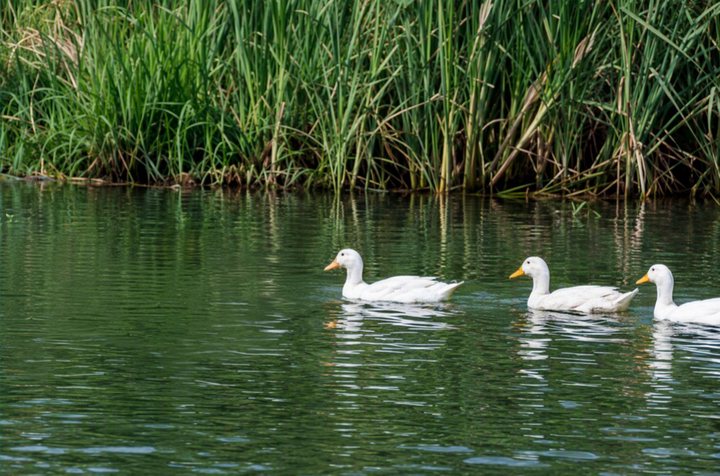
Only One Duck Left
Three Ducks Left
Change the neon text to read ‘KEEP SWIMMING’
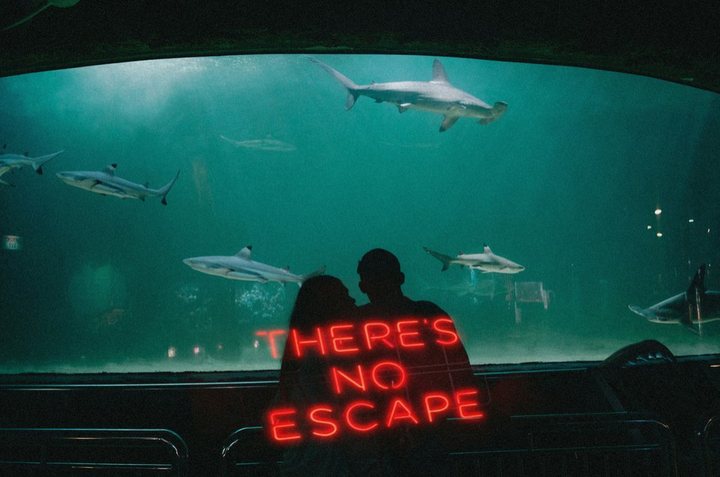
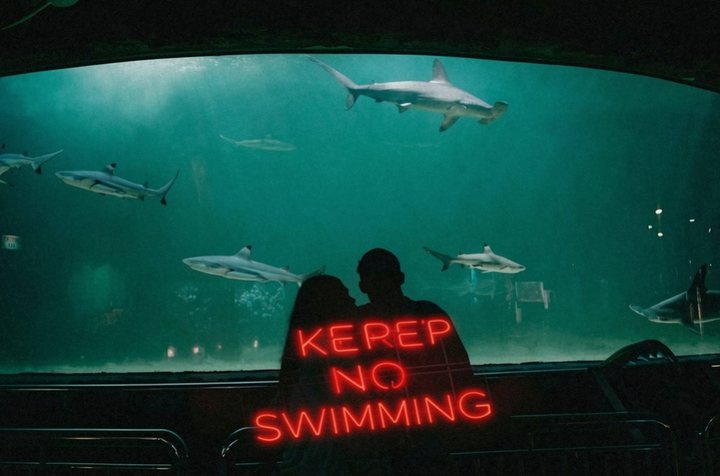
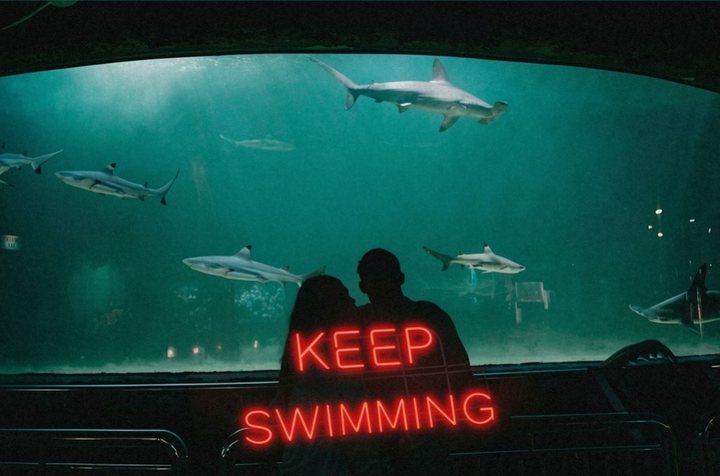
Reads ‘KEREP NO SWIMMING’
Reads ‘KEEP SWIMMING’
Exclude the individual on the left side from the image
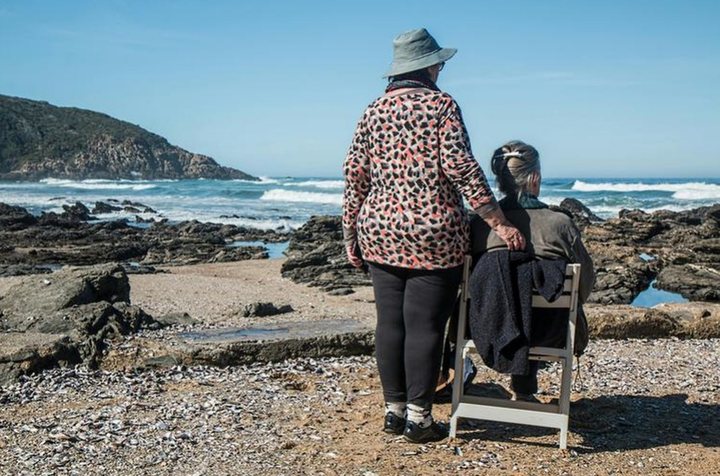
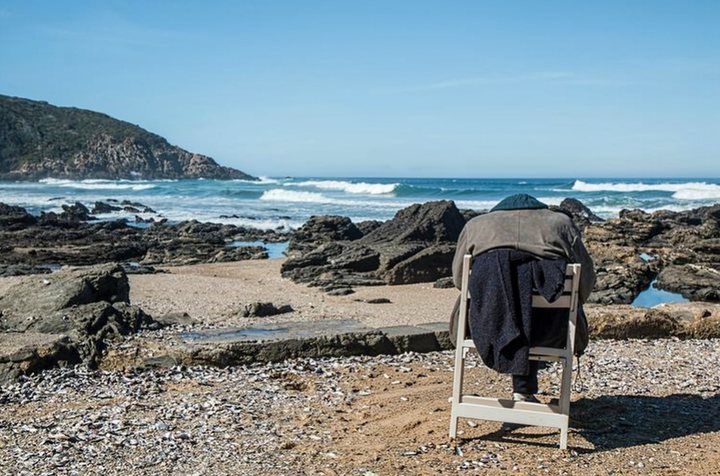
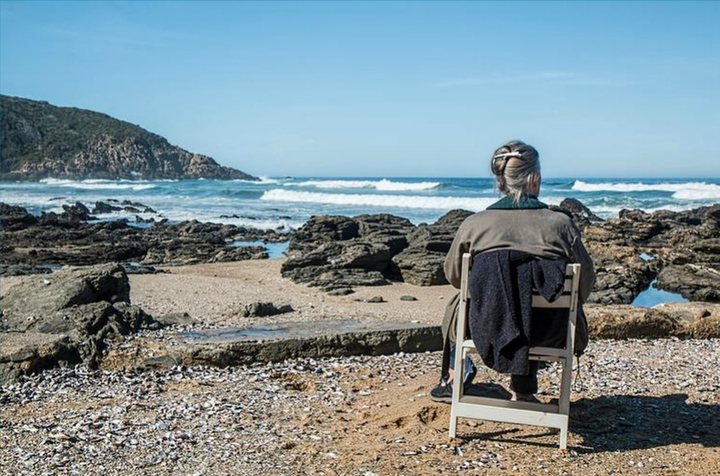
Seated Person Loses Head
Only the Left Person Removed
Move the biggest orange butterfly to the center of the image and change the time to evening
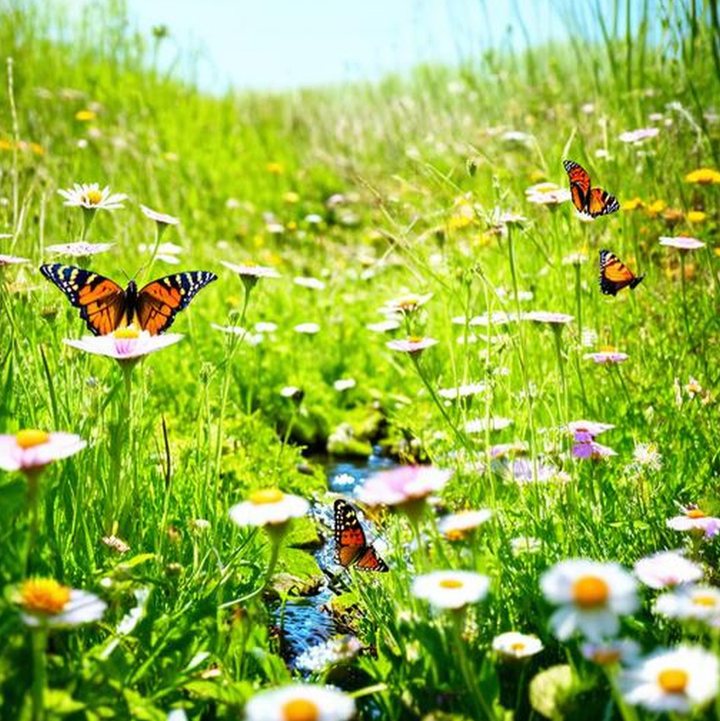
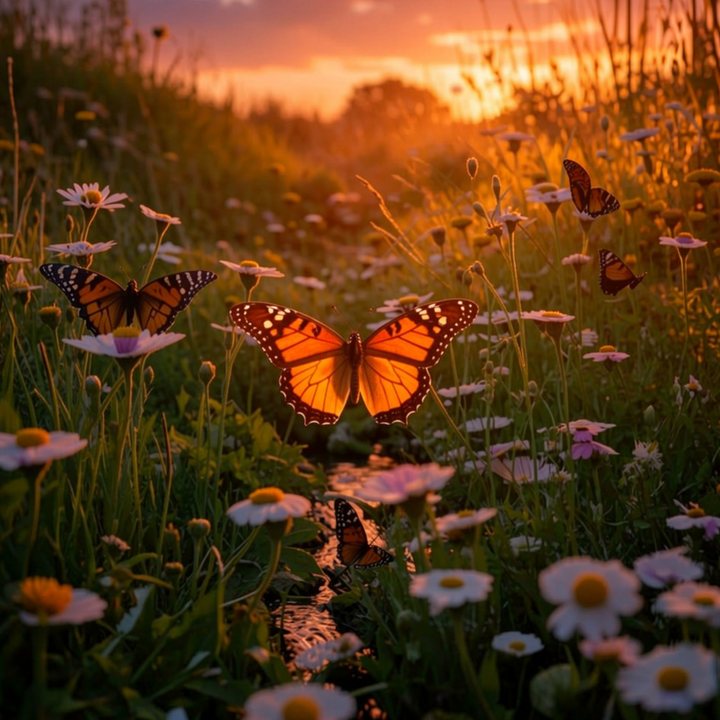
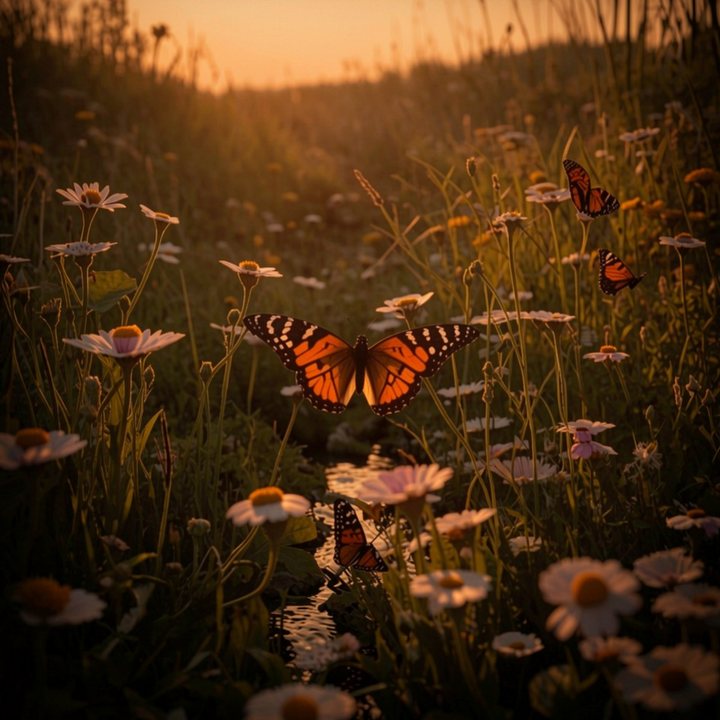
Butterfly Duplicated
Moved to the Center
Replace the bananas with a bunch of grapes and change the marble counter to a wooden table surface
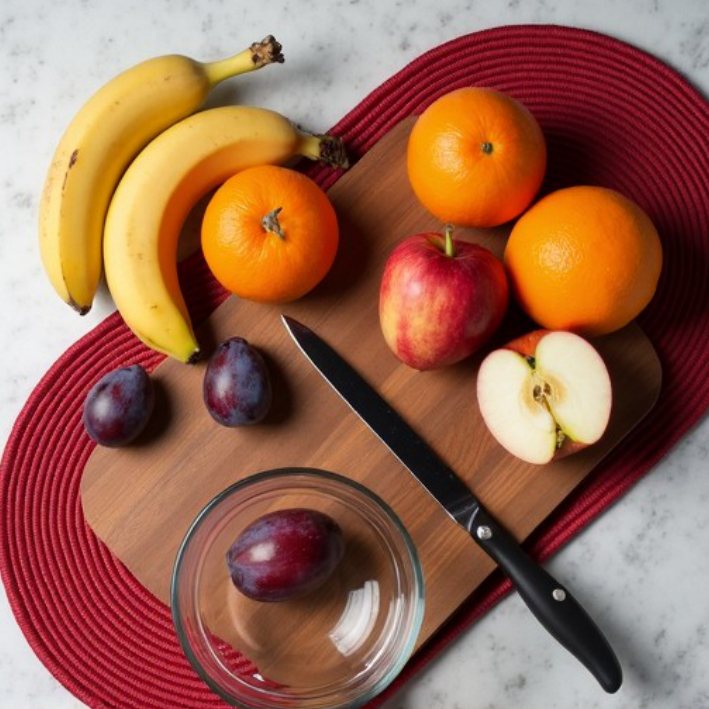
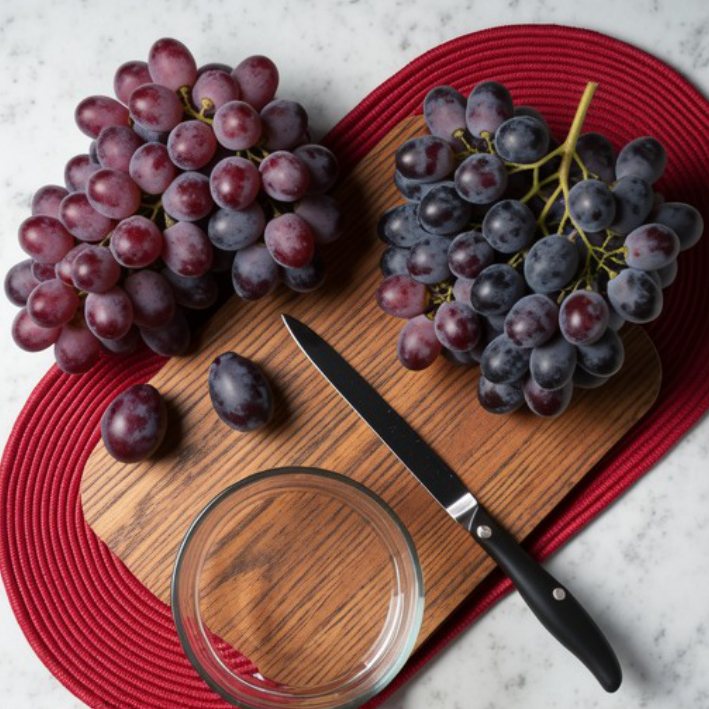
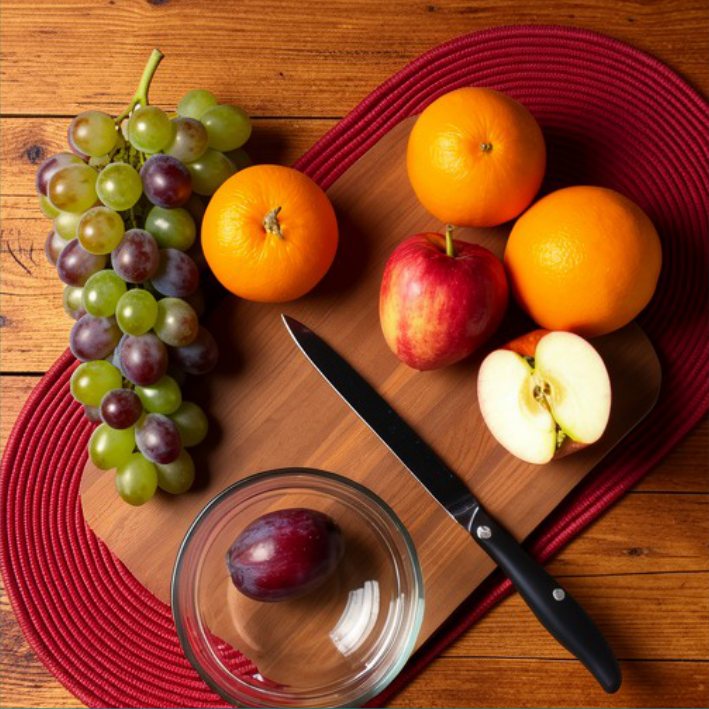
All Fruit Turned to Grapes
Bananas to Grapes, Wooden Table
Could you add a hat to the plushy, and change the color of rabbit to blue, and apply oil painting to image?
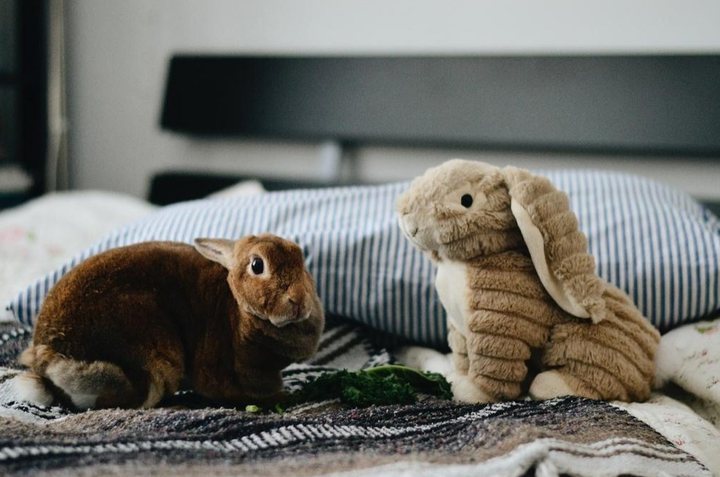
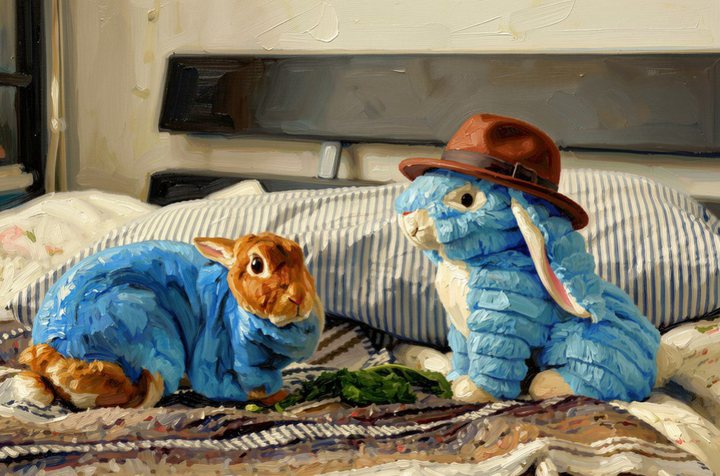
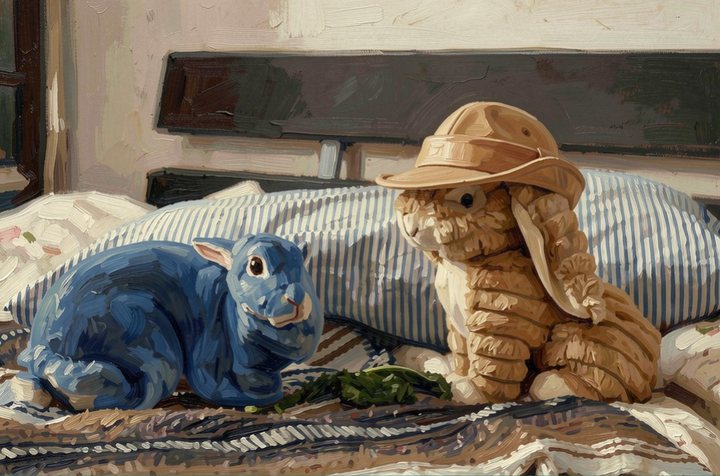
Plush Toy Painted Blue
Hat, Blue Rabbit, Oil Painting
Paint only the third door from the left bright yellow
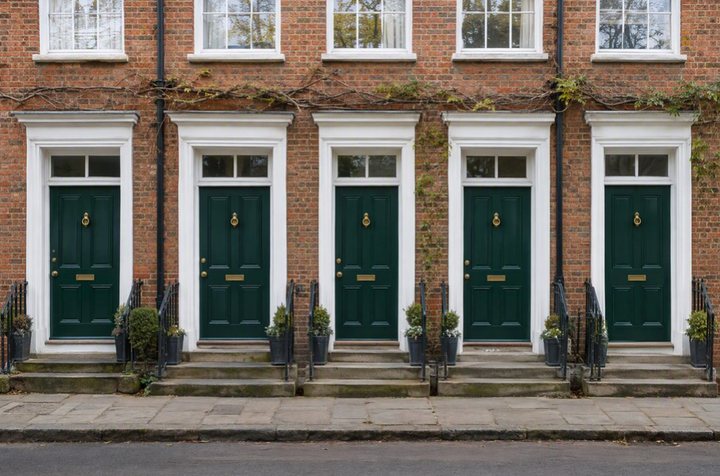
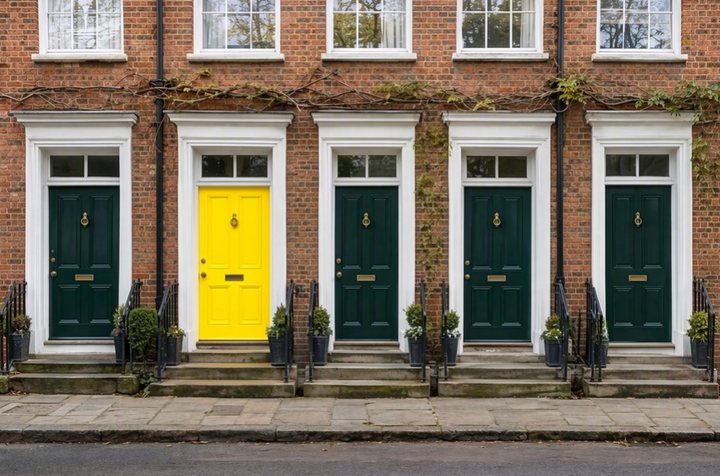
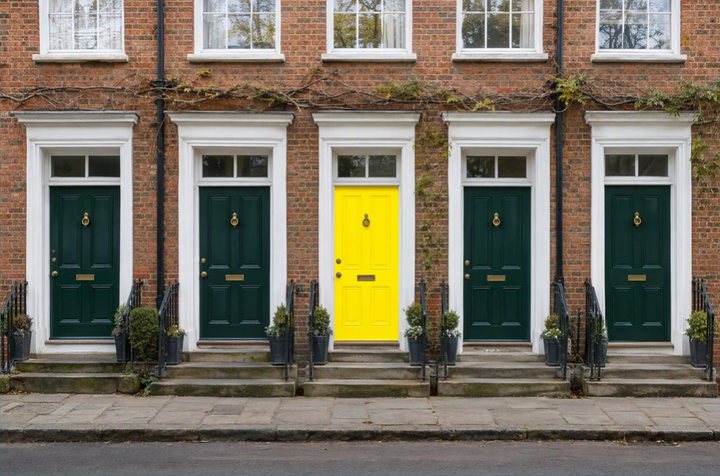
Second Door Painted
Third Door Only
Add exactly three hot air balloons in the sky
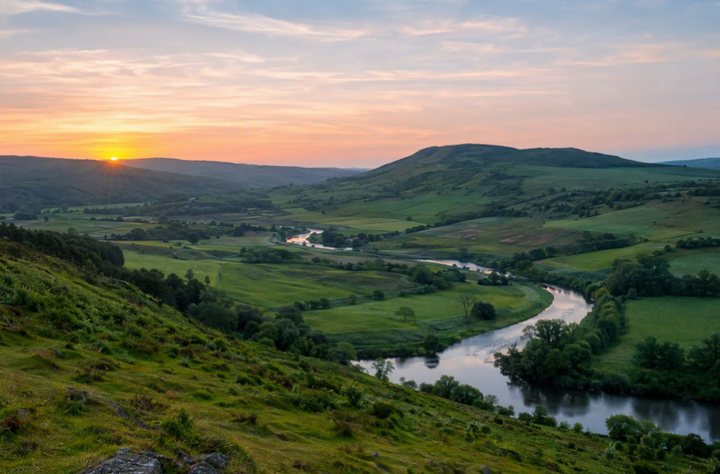
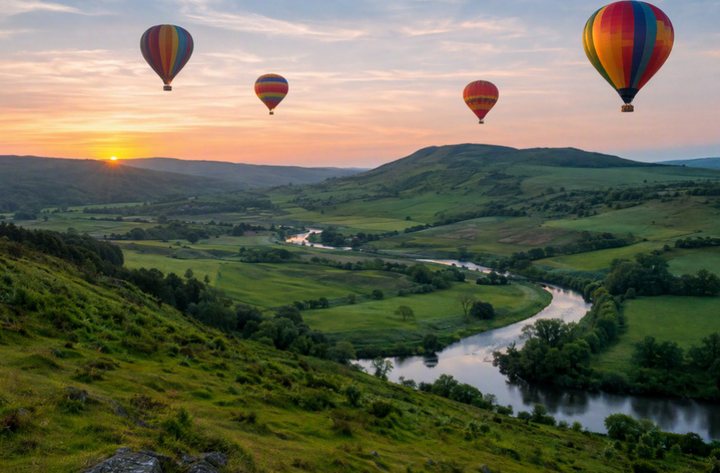
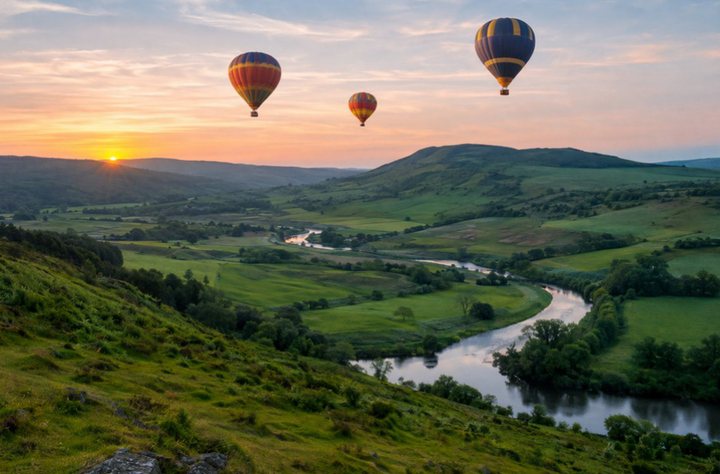
Four Balloons
Exactly Three
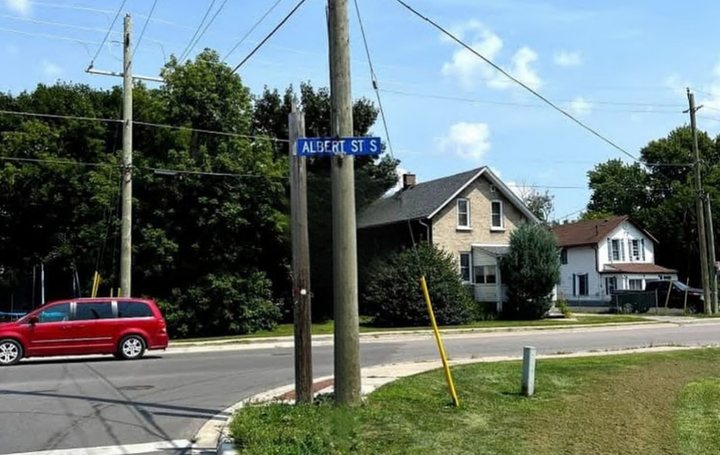
erase the stop sign
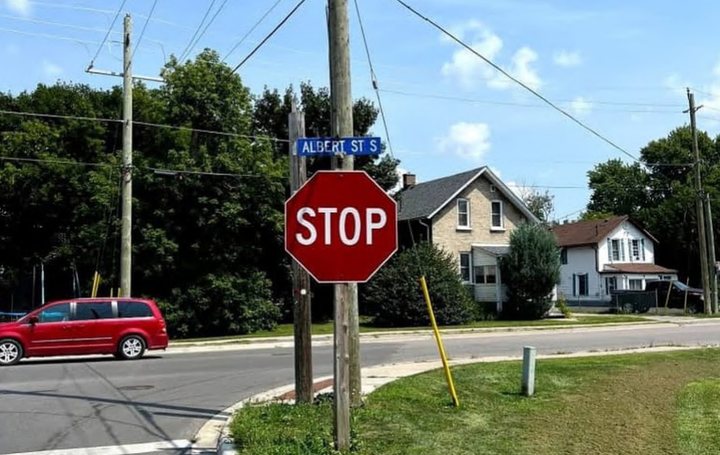
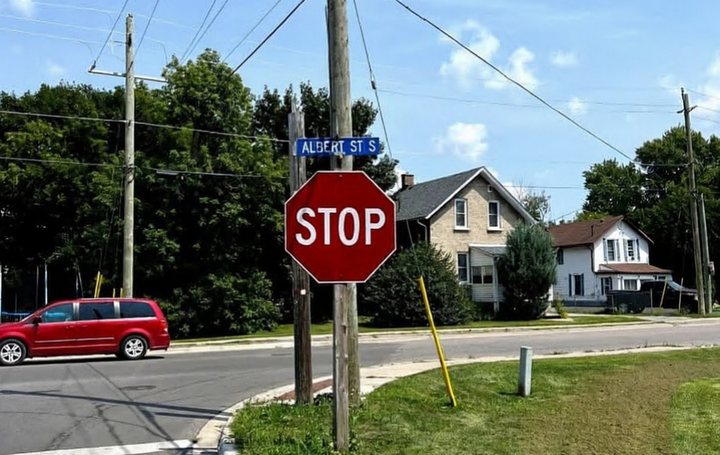
Stop Sign Kept
Sign and Post Removed
Remove the bowl with some leaves in the middle
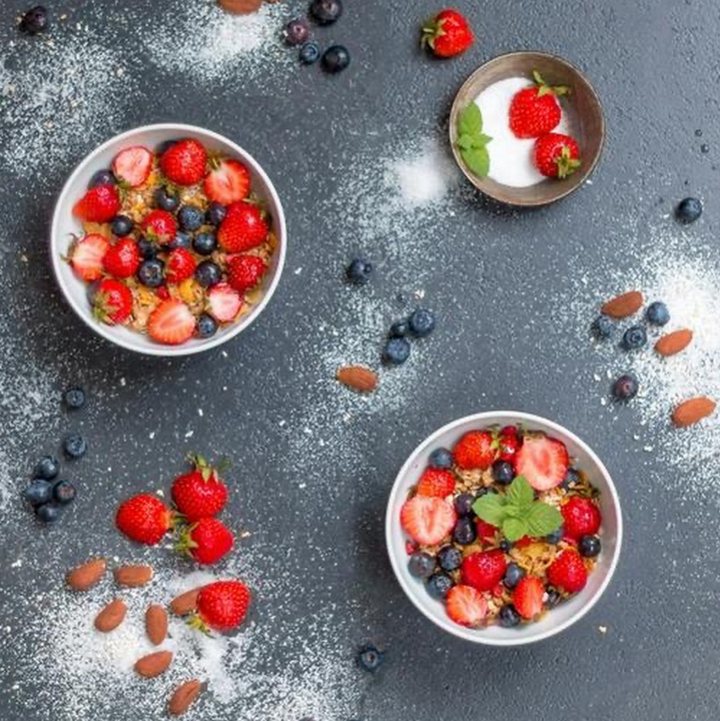
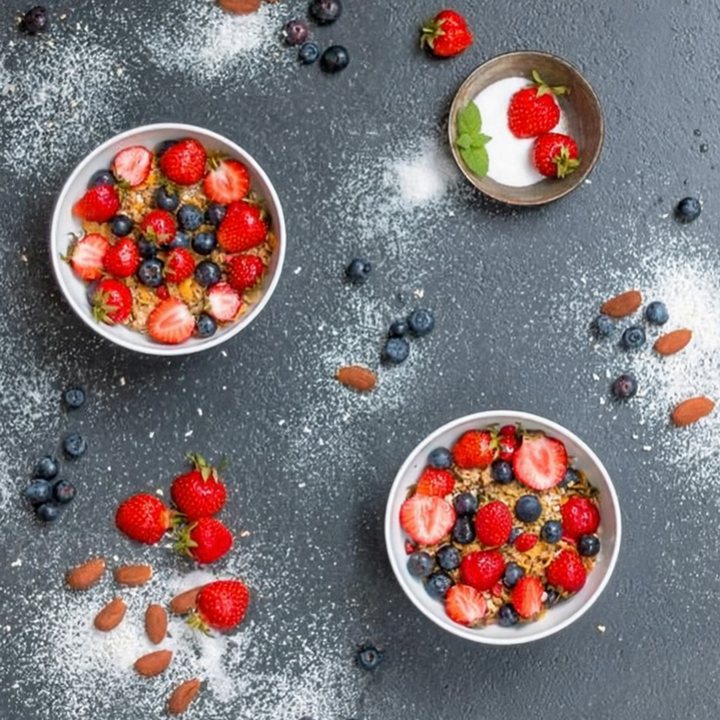
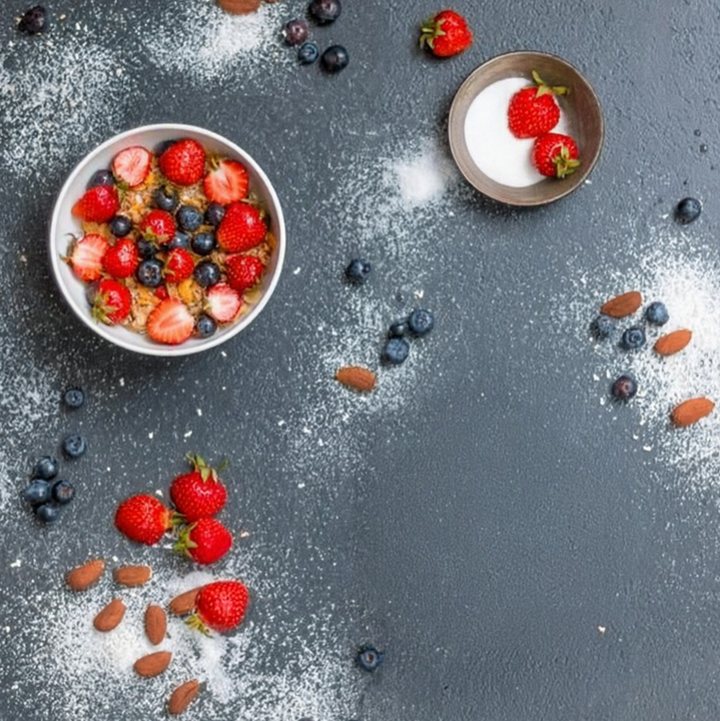
Bowl Kept
Bowl Removed
delete the skateboard; add the red water bottle on the ground; delete the person
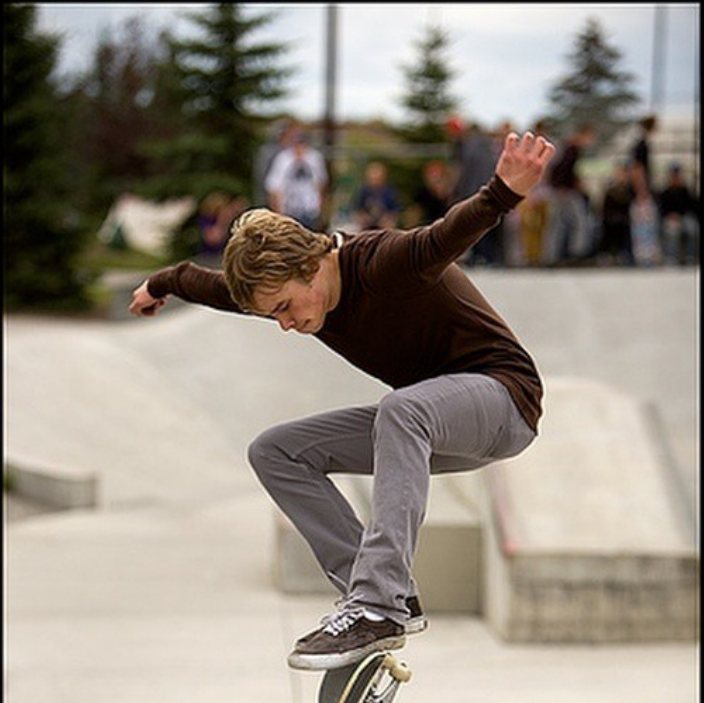
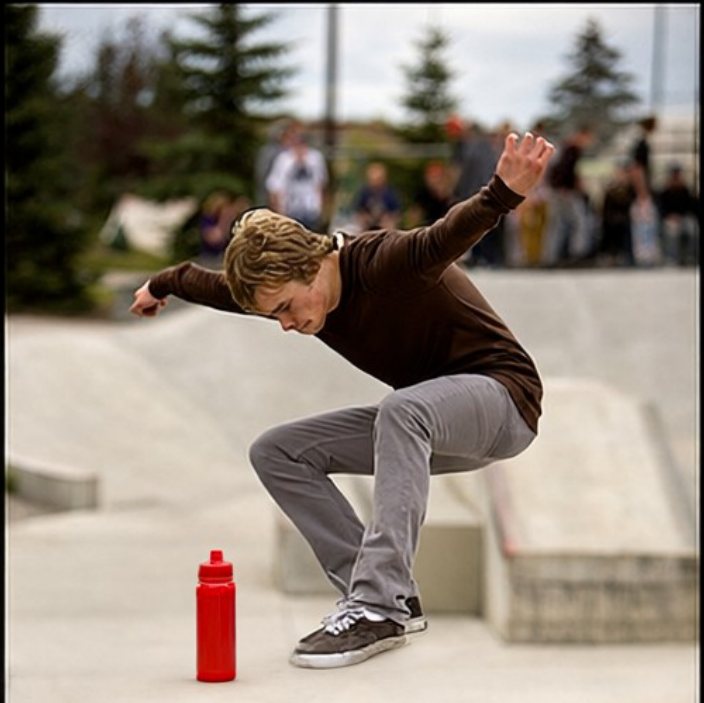
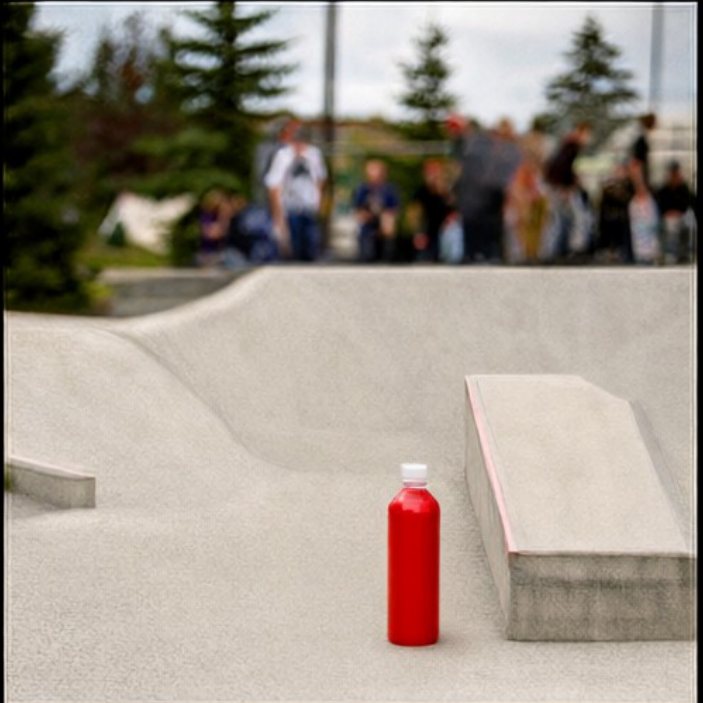
Skater Still There
Skater and Board Removed
delete the center sports ball; change the right elephant to zebra; change the left elephant to giraffe
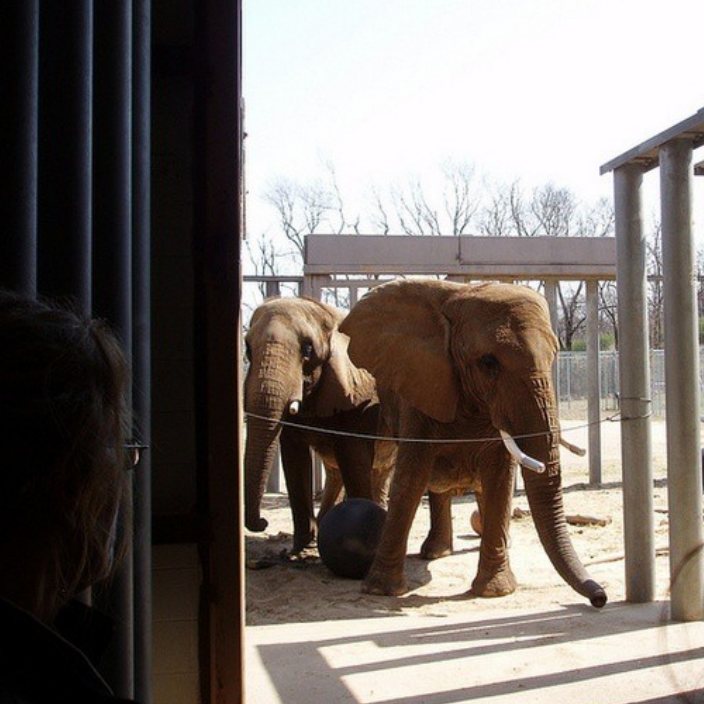
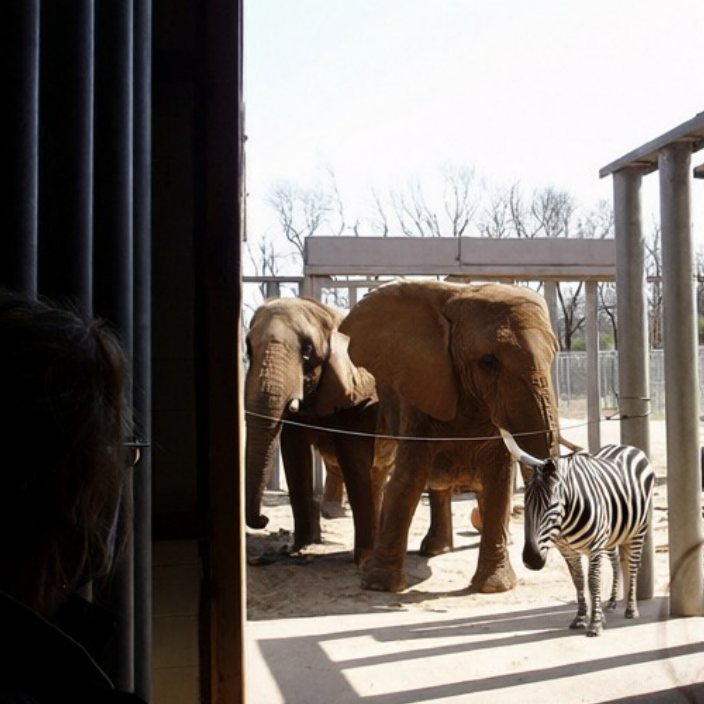
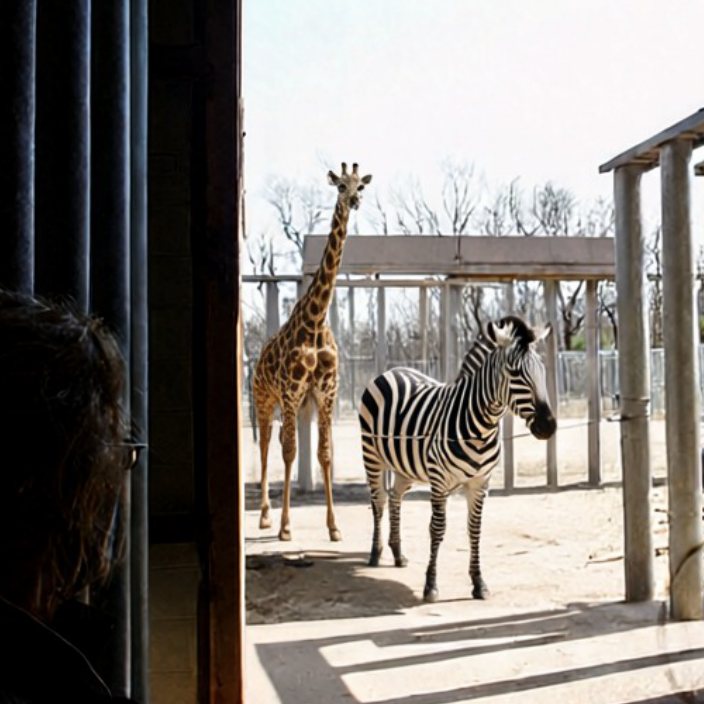
No Giraffe, Elephants Kept
Giraffe and Zebra
add a fork right of the cake on the dining table; add a spoon right of the fork on the dining table; delete the cup on the left side on the dining table
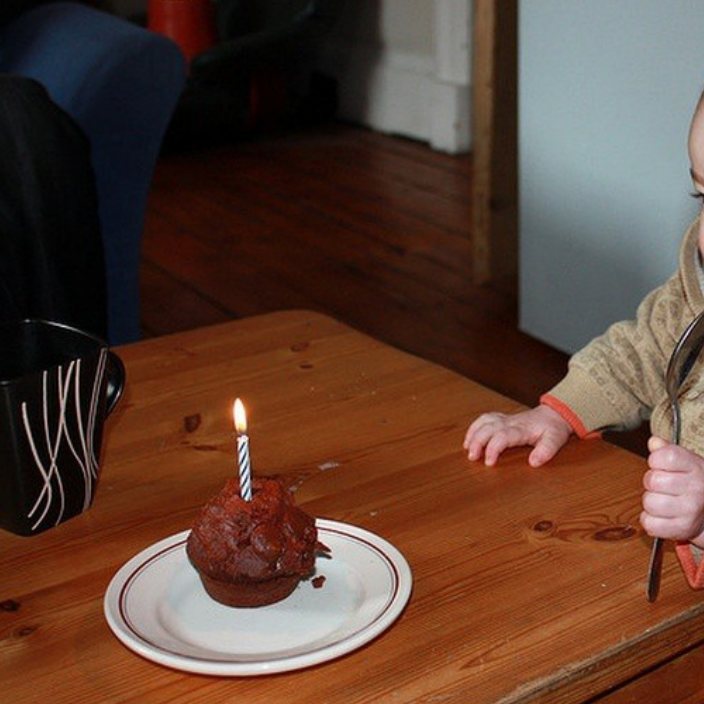
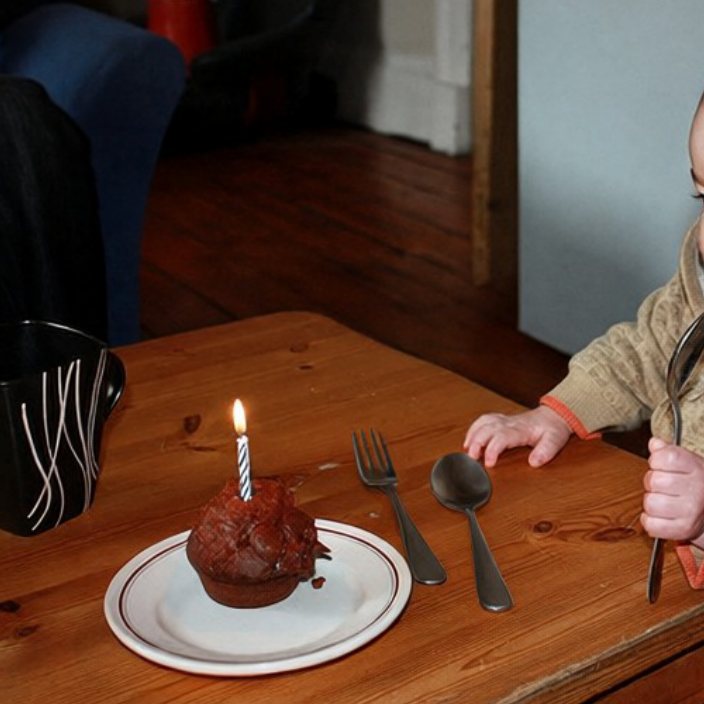
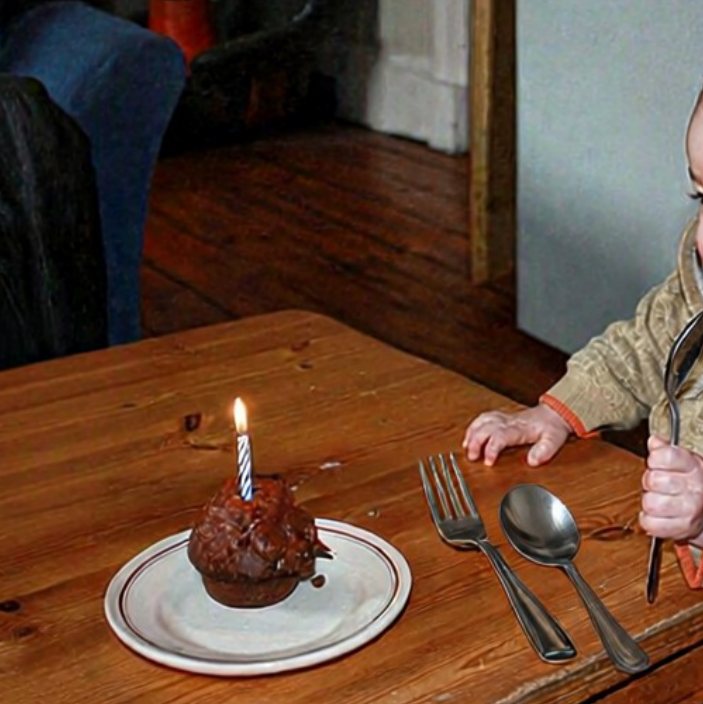
Cup Not Removed
Fork, Spoon, Cup Removed
change the pattern of person’s shirt to striped pattern; delete the skateboard at the bottom; change the background to garden
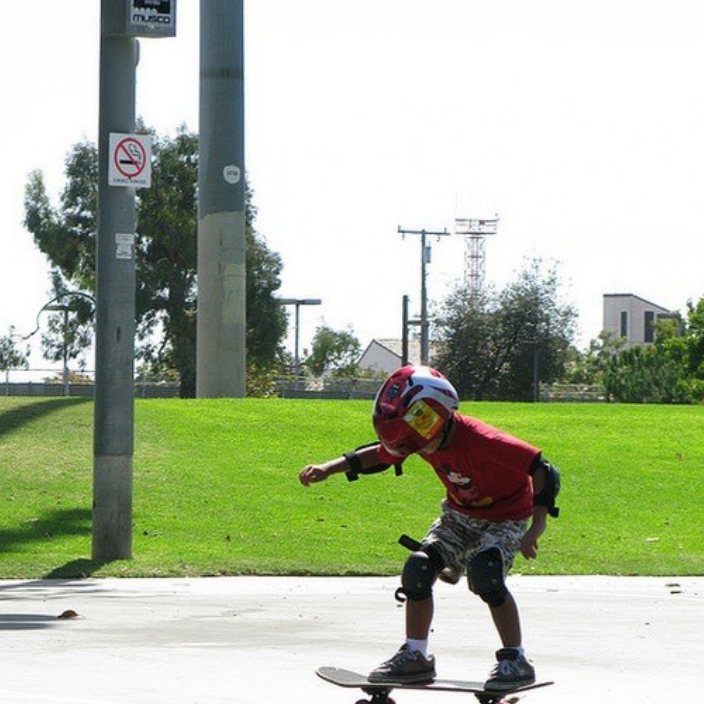
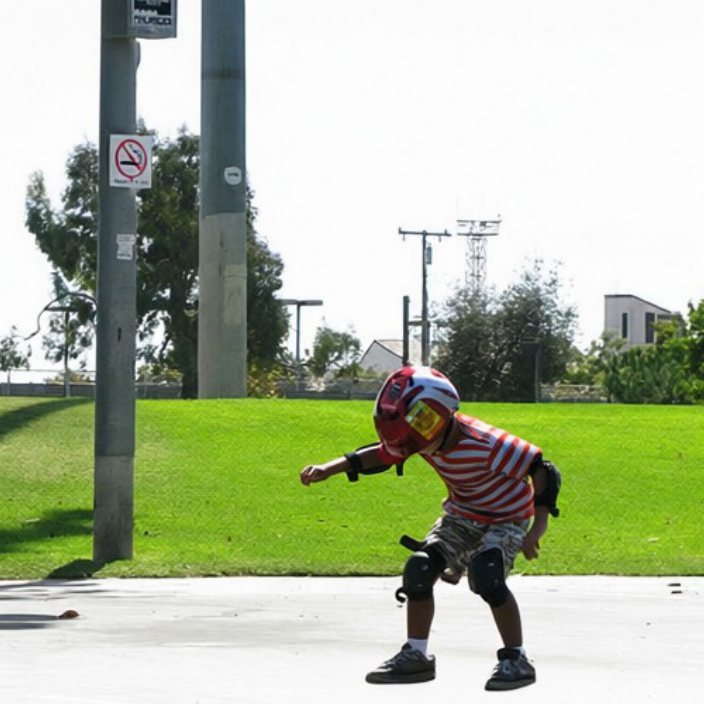
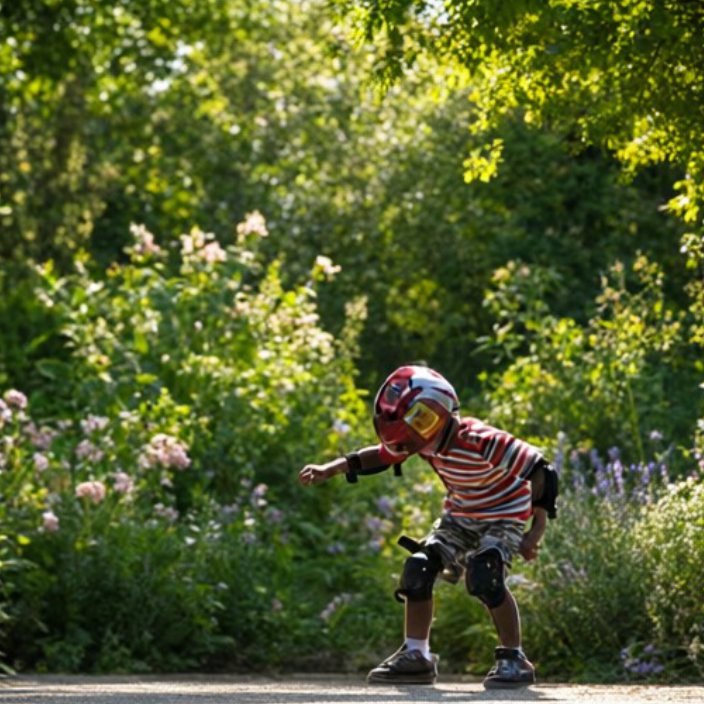
No Garden
Garden, Stripes, No Board
change the pattern of surfboard to flames pattern; change the person to seal; change the style to a fresh anime style
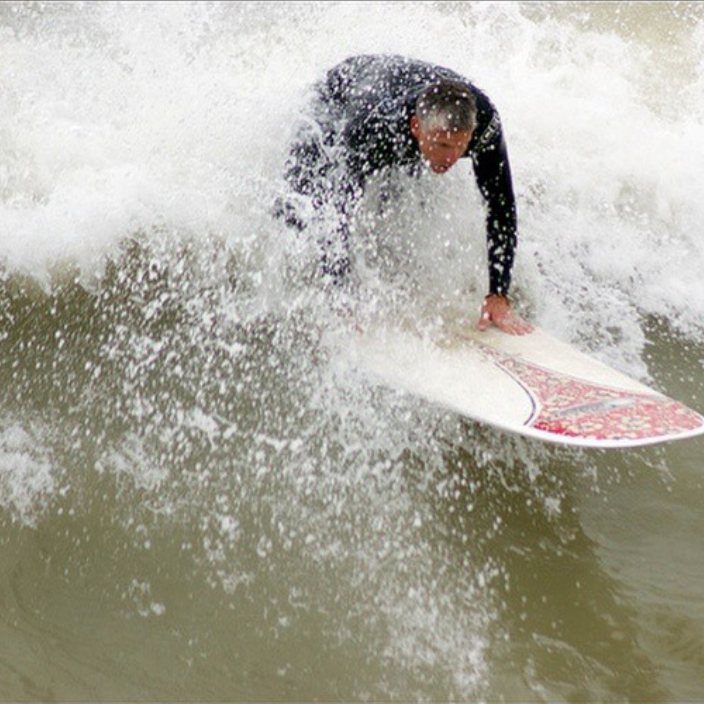
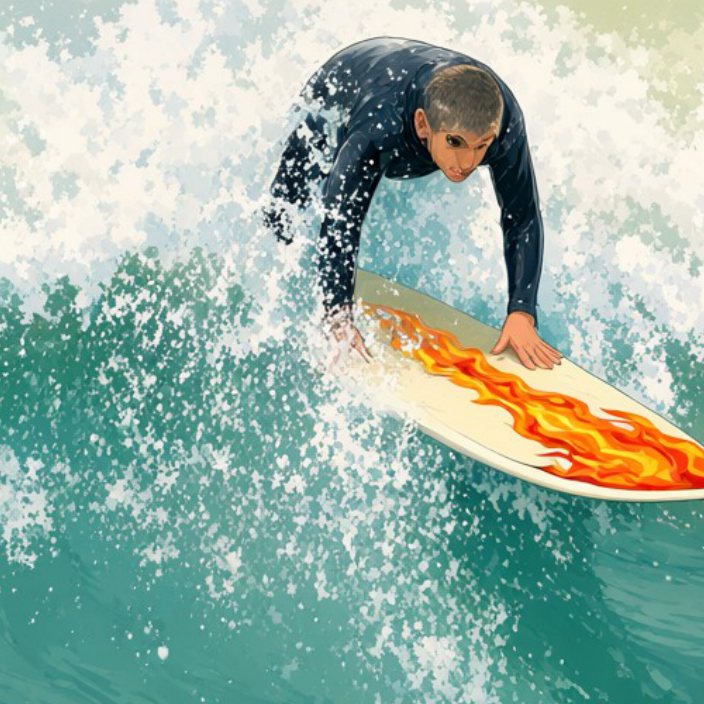
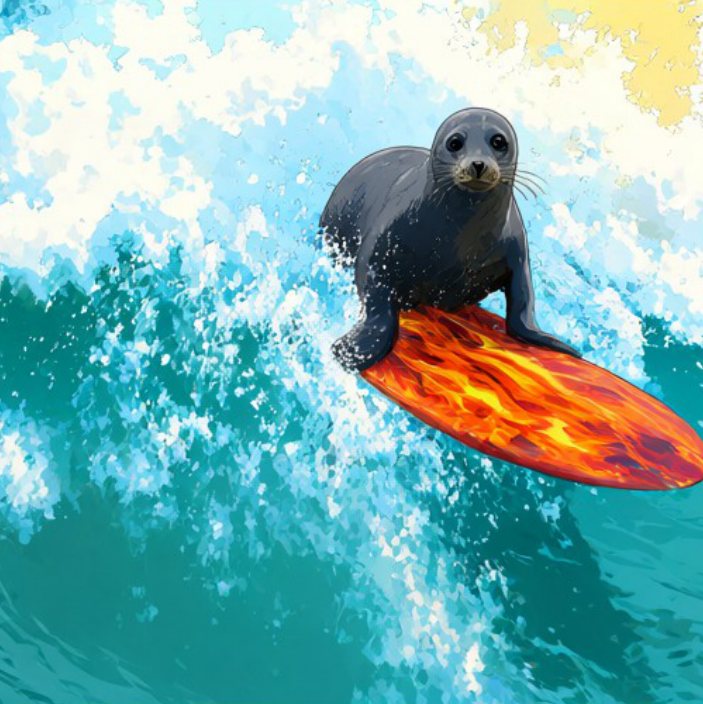
Surfer Still Human
Seal on a Flame Board
Remove the graffiti from the truck, change its body color to blue, replace its tires with high-performance tires, and add a delivery company logo to the side
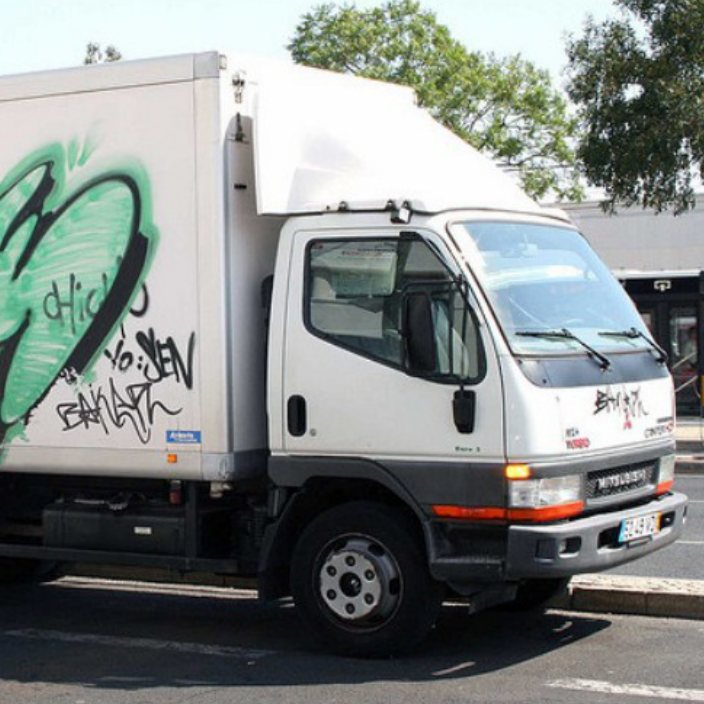
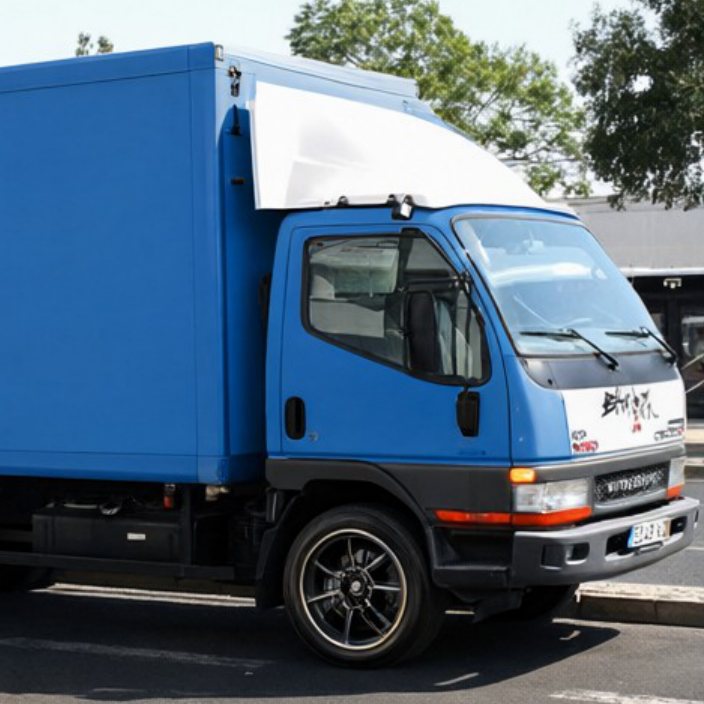
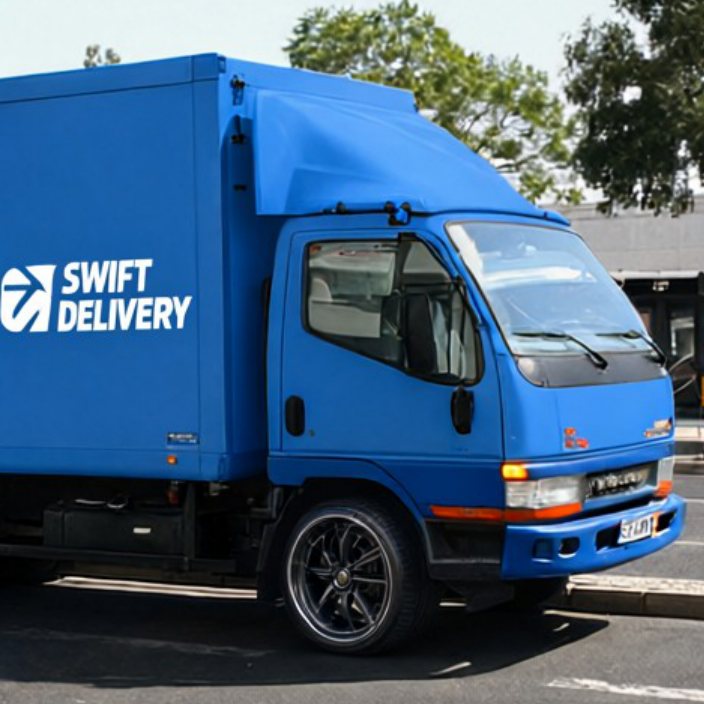
Graffiti Kept, No Logo
Blue Truck with Logo
Replace the background with a stadium filled with spectators, and change the color of one player’s outfit to red
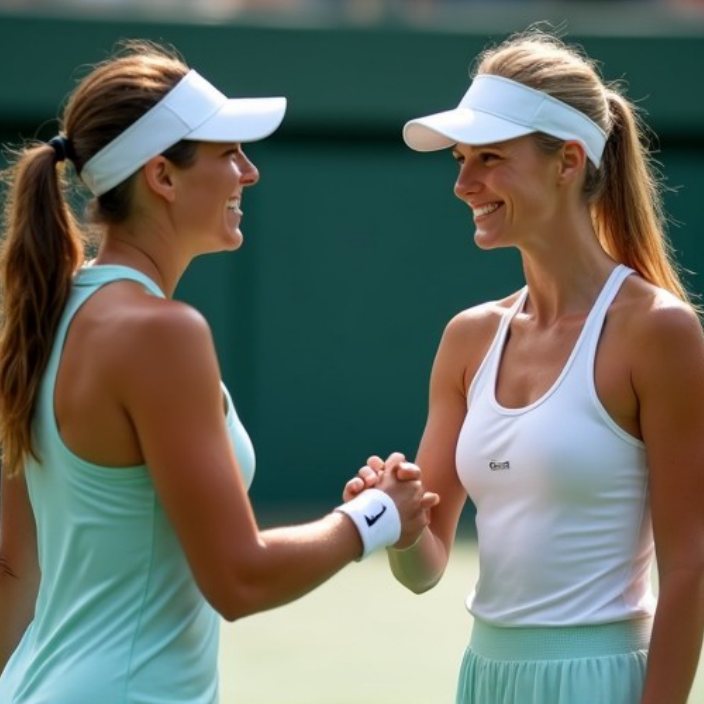
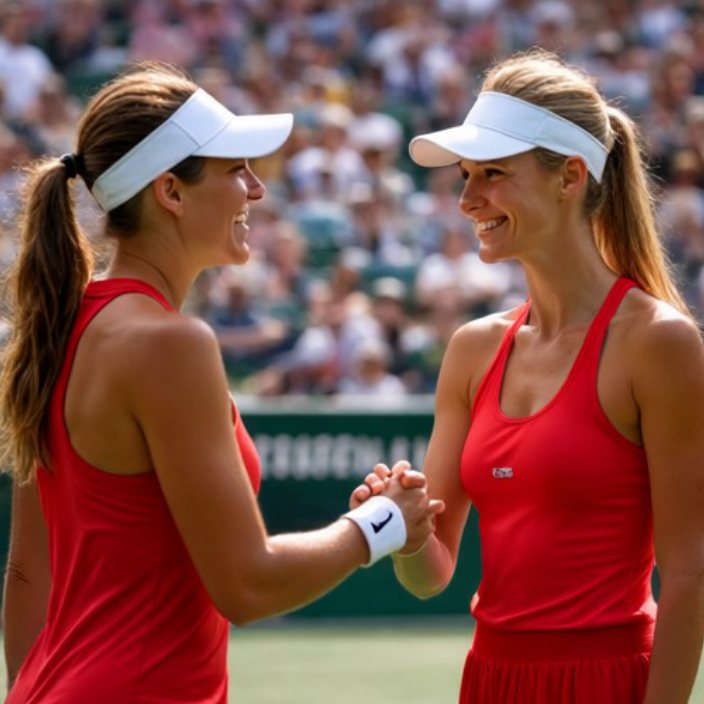
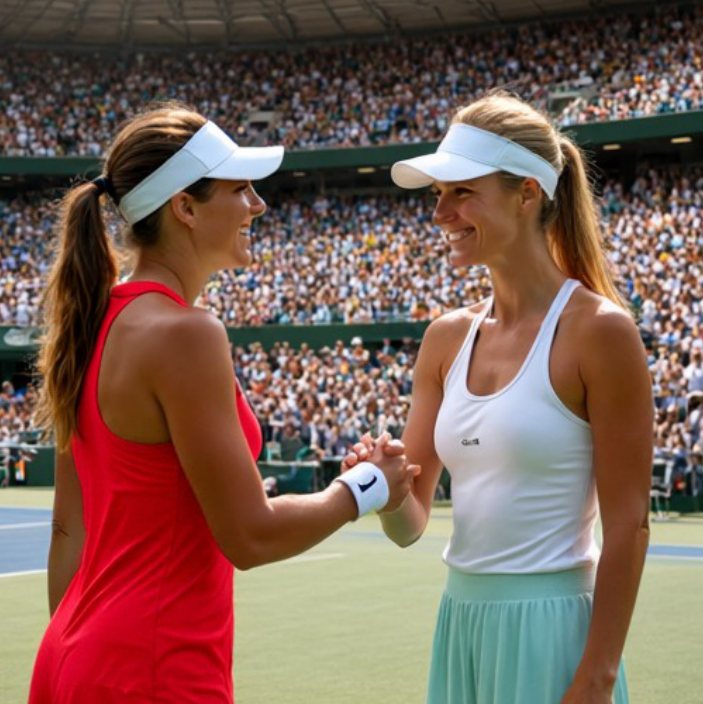
Both Players in Red
Only One Player in Red
Replace the background, including the industrial area, with a calm ocean and sky scene, adding a sunset glow and seagulls flying in the sky. Remove the cranes and smoothen the texture of the lighthouse
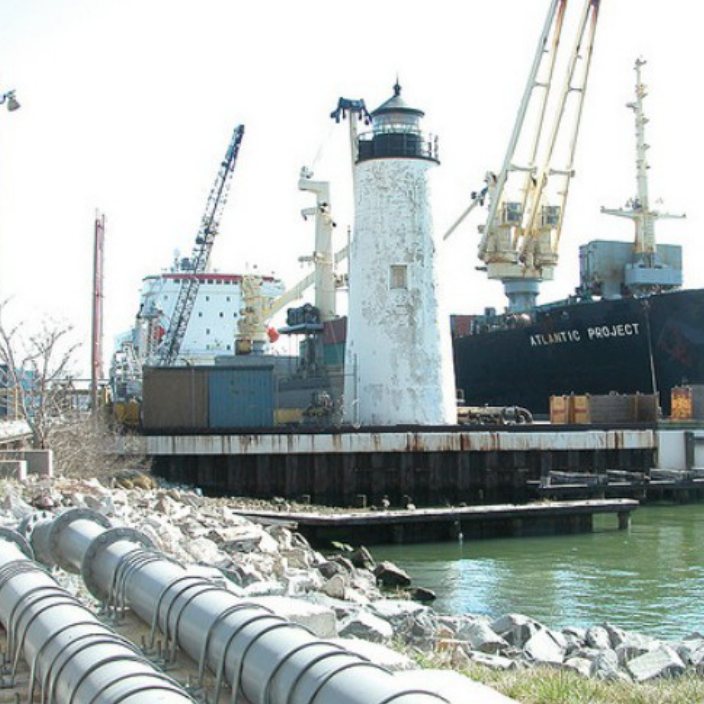
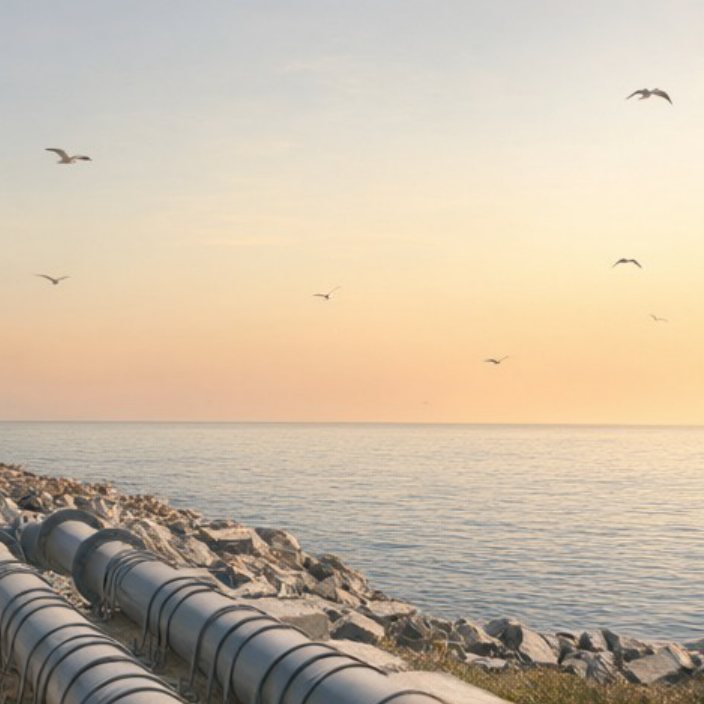
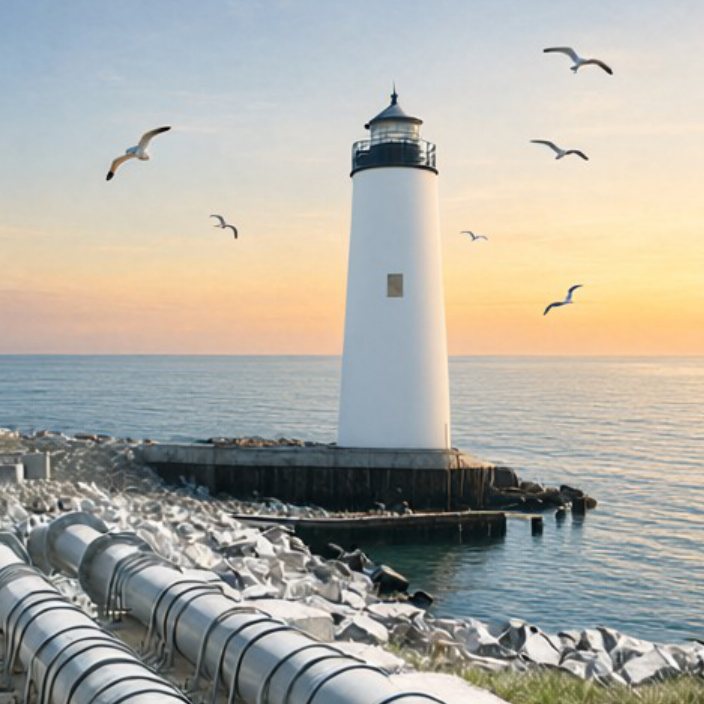
Lighthouse Deleted
Lighthouse Kept
change the cup to glass mug; add apple juice in the glass mug; delete the left apple
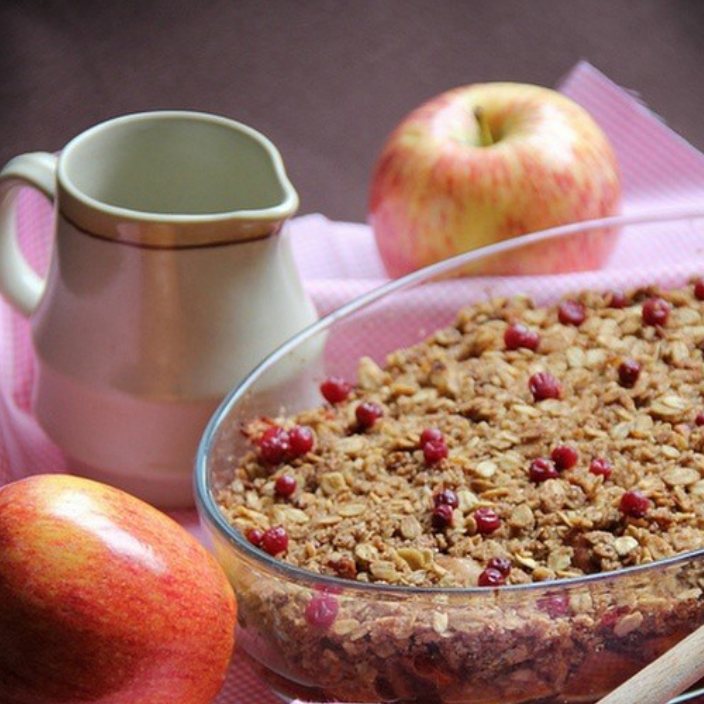
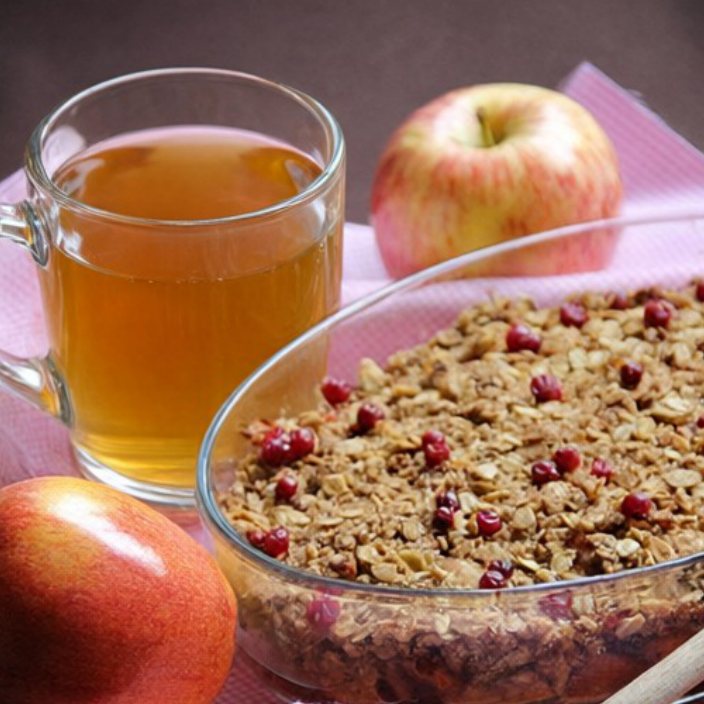
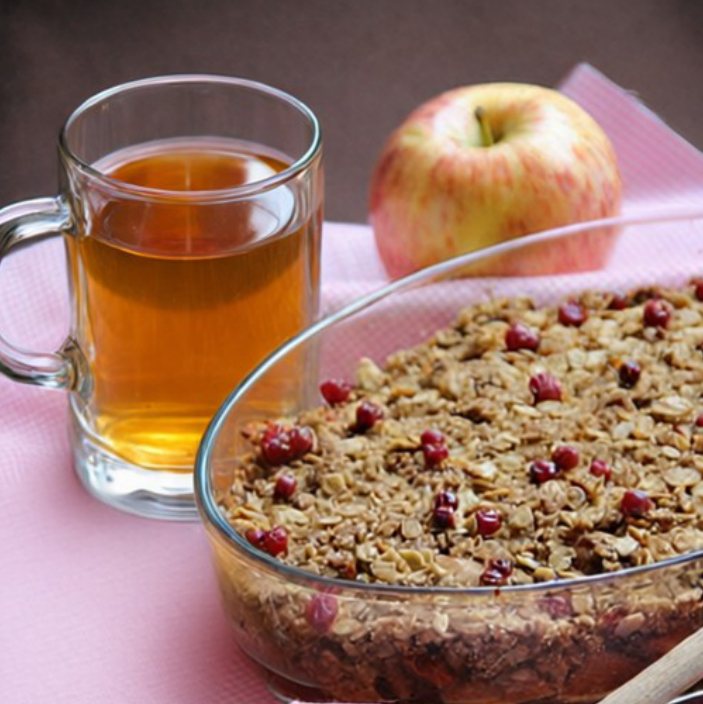
Left Apple Kept
Left Apple Removed
Make the marble bust look like weathered bronze with a green patina
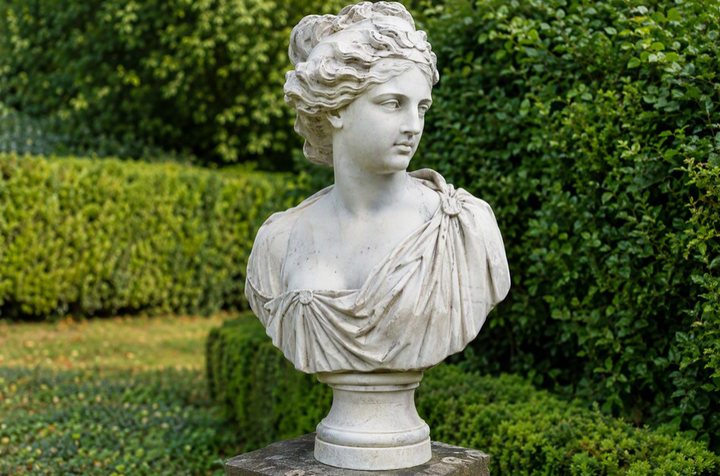
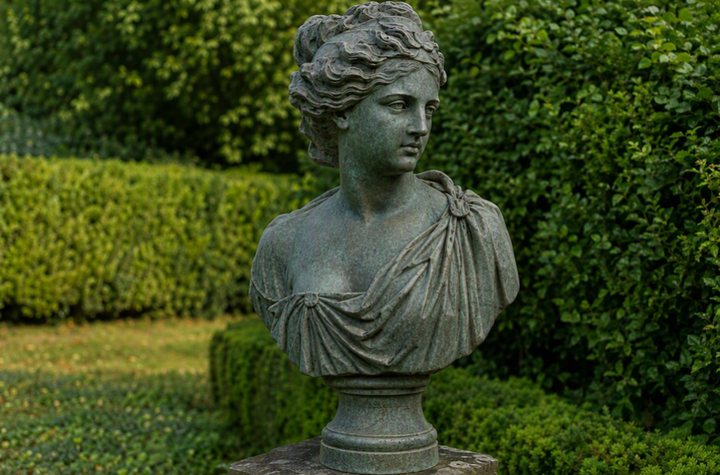
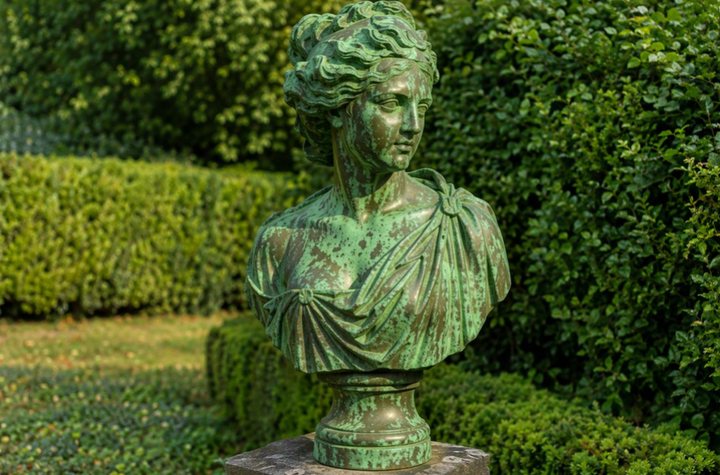
Stone, Not Bronze
Bronze with Green Patina
The number of camels increases to two
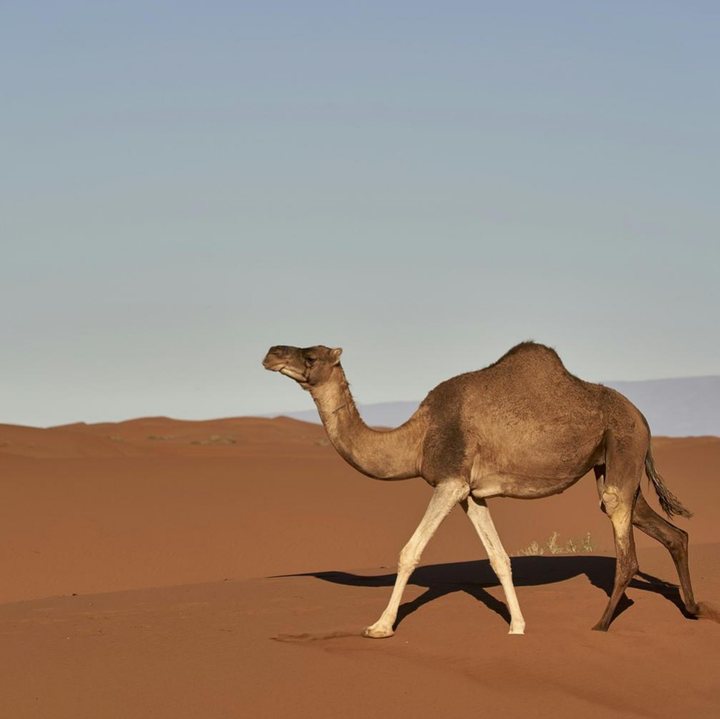
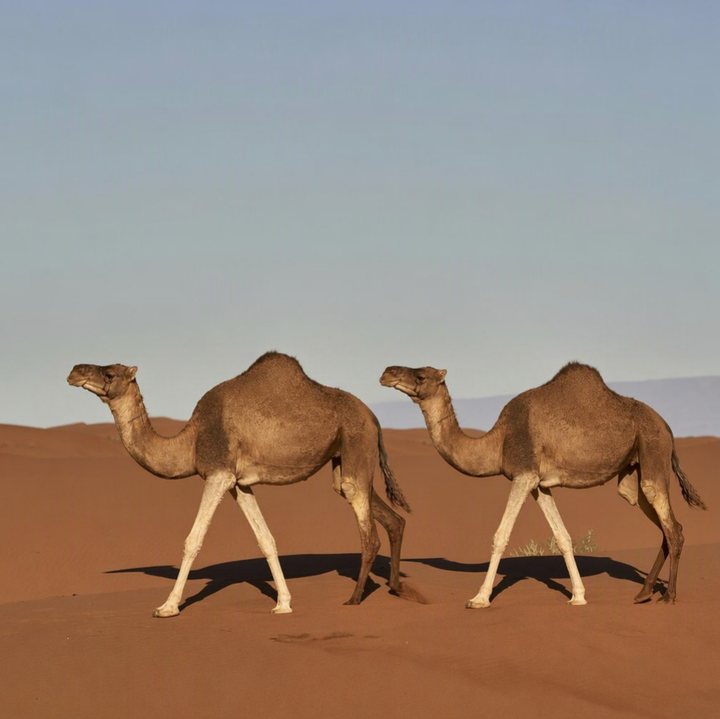
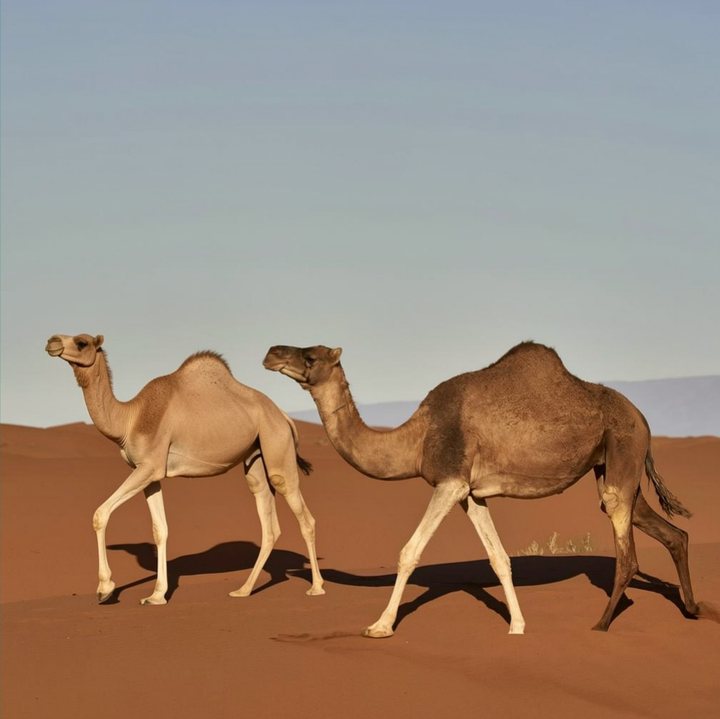
Original Camel Changed
Original Camel Kept
Put a pair of red sneakers on the floor in front of the mirror
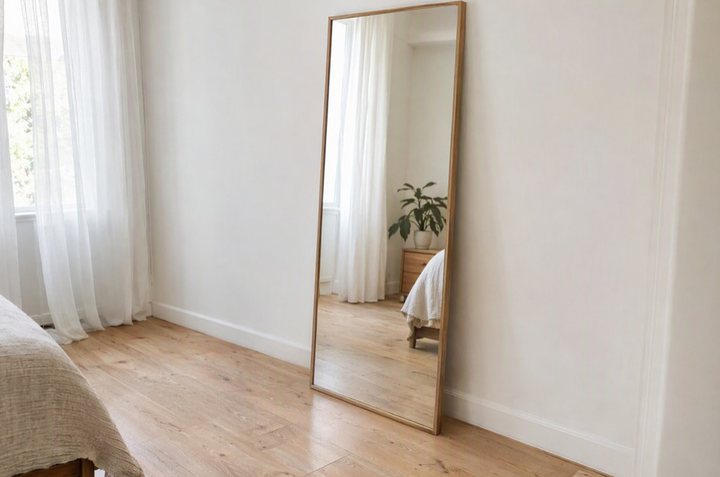
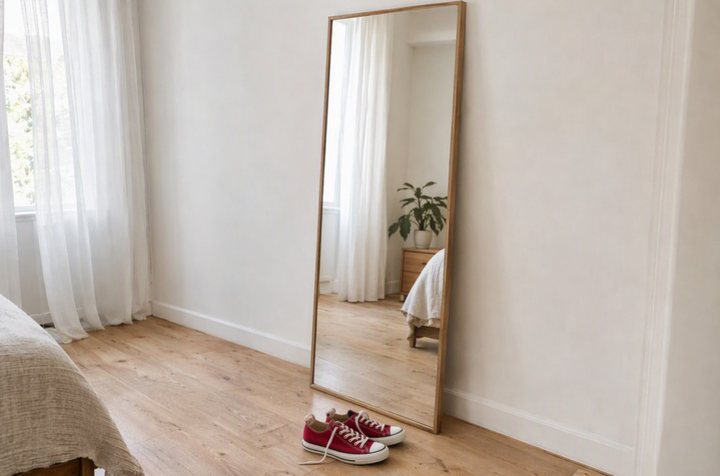
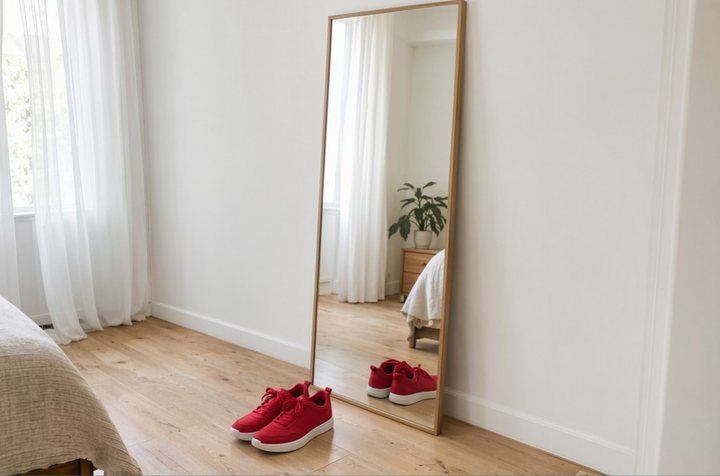
No Reflection
Reflection in the Mirror
Move the lamp to the other side of the mug
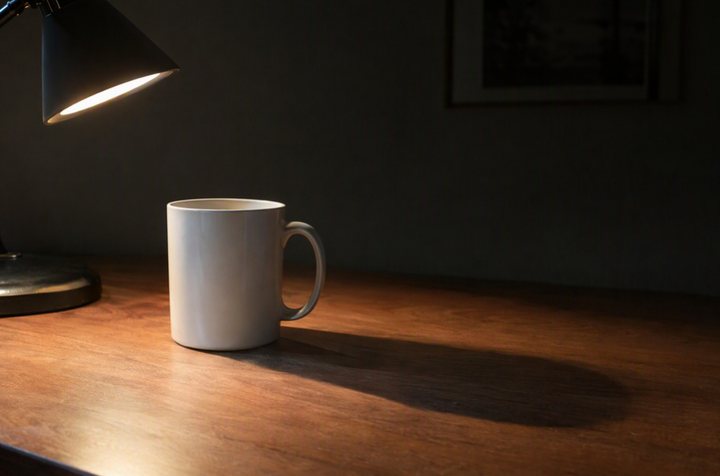
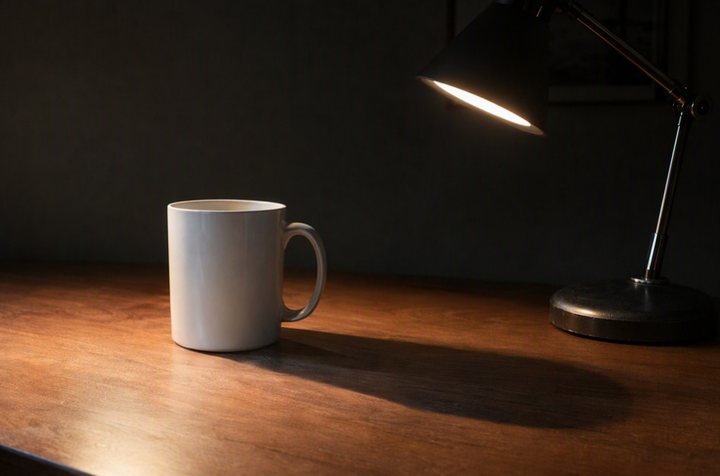
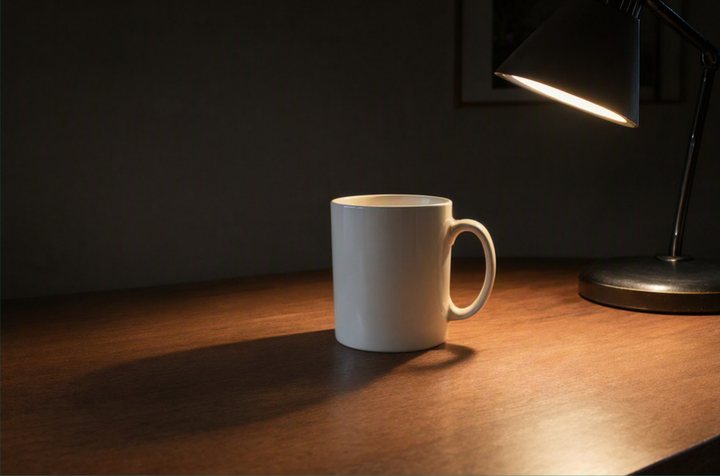
Shadow Still Falls Right
Shadow Now Falls Left
BibTeX
@article{editagent2026,
  title={EditAgent: Rethinking Agentic Image Editing},
  author={Xu, Haiyang and Wang, Tianyu and Li, Jialu and Mu, Jiteng and Xiong, Yuanjun and Zhang, Jianming and Tu, Zhuowen and Xu, Mingze},
  journal={arXiv preprint arXiv:2610.39664},
  year={2026}
}